Why did Germany blow up its last nuclear power plant?


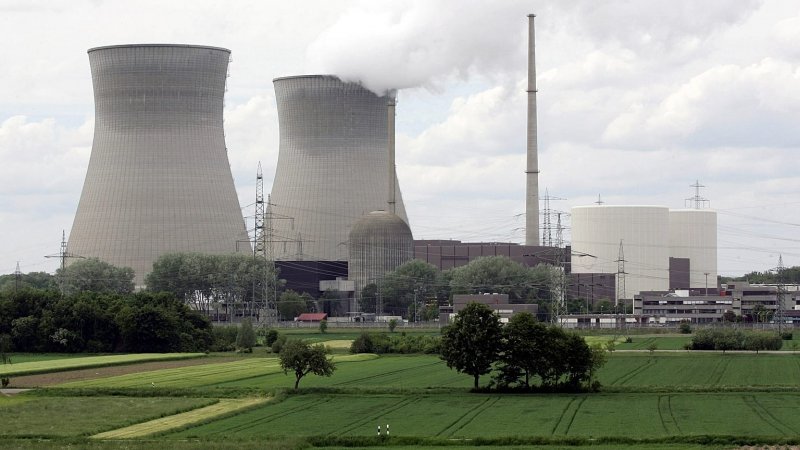
In recent days, one of Germany’s most powerful nuclear power plants was dismantled. The Gundremmingen Nuclear Power Plant in Bavaria has been completely decommissioned, according to the NiUS portal. Two 160-meter cooling towers were blown up during the final stage of the process. For decades, these structures had symbolized Germany’s nuclear energy program.
In 2000, Germany’s coalition government passed a law outlining a gradual phase-out of nuclear power. In 2010, the plan was revised to extend the operational life of nuclear plants, but the 2011 Fukushima disaster in Japan changed everything.
The government of Angela Merkel had initially planned to complete the nuclear shutdown by 2022. However, the war in Ukraine and the resulting energy crisis forced Berlin to postpone the closure. The last three nuclear plants, Isar 2 in Bavaria, Neckarwestheim 2 in Baden-Württemberg, and Emsland in Lower Saxony, were finally disconnected on April 16, 2023.
Germany’s Minister for the Environment and Nuclear Safety Steffi Lemke said abandoning nuclear energy would make the country safer. “The risks associated with nuclear power cannot ultimately be controlled in the event of an accident,” DW quoted her as saying.
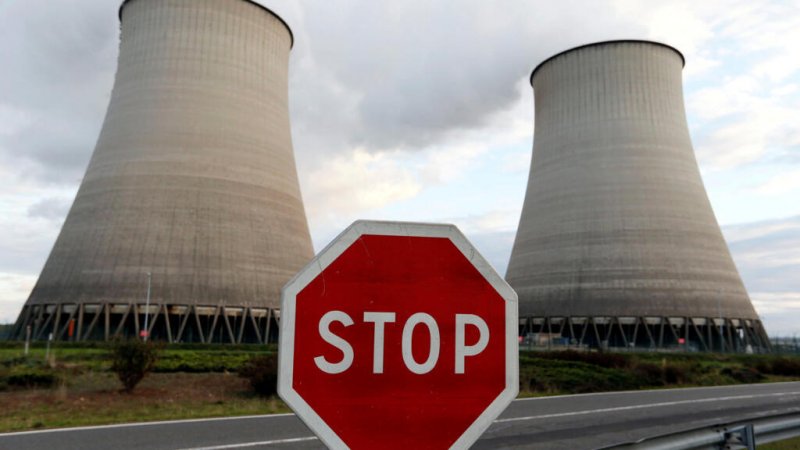 Photo: Reuters
Judging by reactions on NiUS’s Telegram channel under the October 25 demolition post, most Germans responded negatively. Of several hundred reactions, only four were positive, reflecting the ongoing unpopularity of the decision. Public opposition has existed from the start.
A YouGov poll commissioned by dpa two years ago showed that nearly two-thirds of Germans opposed closing the remaining nuclear power plants. Thirty-two percent favored extending their operation for a limited period, while 33 percent supported an indefinite extension. Only 26 percent supported immediately shutting down the remaining reactors.
Analysts from Project Syndicate argue that Germany made the right decision. No nuclear power plant can completely rule out the possibility of a catastrophic accident. Such disasters could result from human error, natural catastrophes, terrorist attacks, air crashes, safety oversights, or even military strikes, such as Russia’s attack on Ukraine.
Nuclear energy also produces highly radioactive waste. Germany’s reactors had supplied electricity for three generations but left behind a toxic legacy that will persist for thousands of years. Additionally, nuclear plants consume vast amounts of water for cooling, which contributes to river warming, and the true cost of nuclear energy, including uranium mining, waste management, and insurance, can be high.
Germany has viable alternatives in renewable energy sources, which carry far fewer risks in the event of failure. Yet renewable energy is not constant and depends on the climate. During the summer months of 2025, European wind farms generated less electricity than usual due to weak winds, increasing demand for coal and gas. This led to higher emissions and a nearly 5 percent rise in European gas prices, reaching about $414 per 1,000 cubic meters.
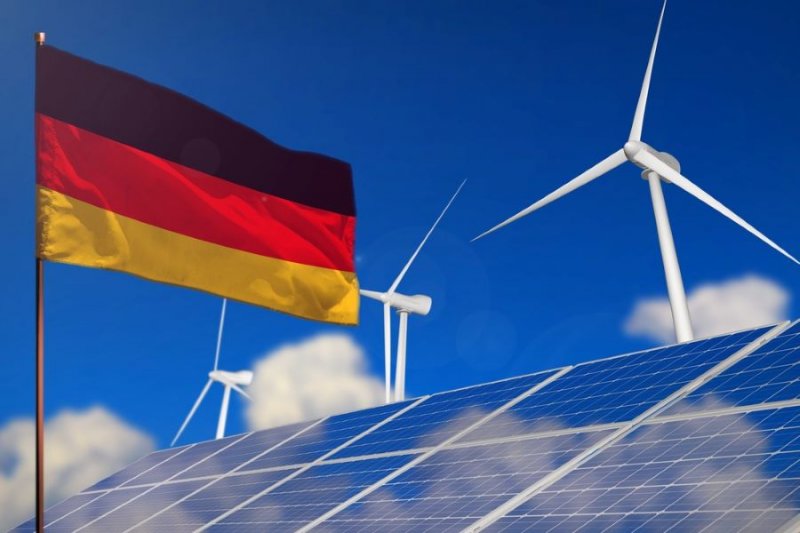 Photo: Shutterstock
Germany has significant renewable potential, operating thousands of wind turbines and being among the world’s largest producers of wind energy equipment. Solar panels are widely installed across the country. But as the 2025 summer showed, wind patterns are unpredictable, demonstrating that nations still need alternative energy sources.
The global movement to abandon nuclear power gained momentum after the 1986 Chernobyl disaster. Italy held a referendum resulting in the closure of all reactors, while Sweden, Belgium, Austria, Lithuania, and Bulgaria also limited nuclear energy use. Germany acted more slowly, with Fukushima ultimately tipping the balance. Nuclear power had supplied the country for nearly 60 years.
In May 2025, German newspaper Bild reported that American specialists were considering plans to reactivate nine German nuclear plants, with a consortium of U.S. companies and investors seeking to influence Berlin’s energy policy. However, the demolition of the Gundremmingen plant indicates that such plans are unlikely to materialize.
By Tural Heybatov


Similar news