Why the US struck Caracas and what comes next for Venezuela


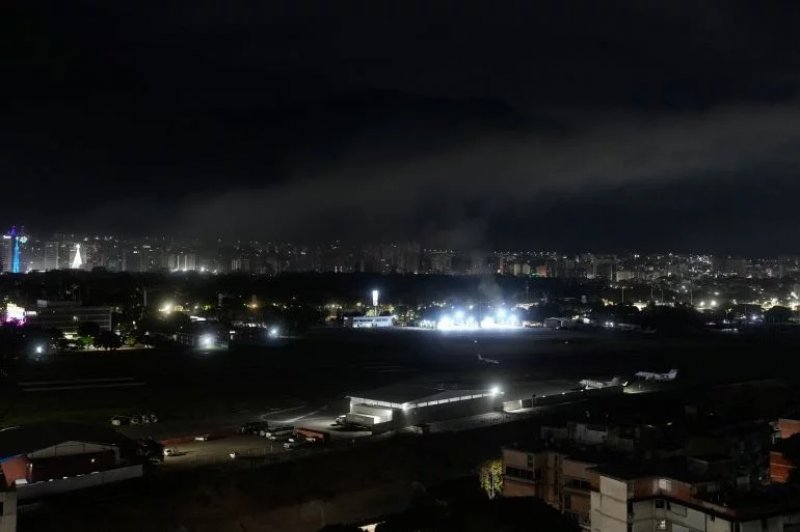
In the early hours of January 3, 2026, Venezuela’s capital became the scene of a sudden and alarming military escalation. A series of powerful explosions rocked Caracas, with residents reporting low-flying aircraft and helicopters, widespread power outages, and flashes in the southern districts of the city. Columns of smoke were seen rising above several strategic locations, while movement in parts of the capital was temporarily restricted.
According to international media reports, the strikes hit infrastructure linked to Venezuela’s armed forces, including the Fort Tiuna military complex and the Generalissimo Francisco de Miranda air base. Although no immediate official confirmation came from the Pentagon, the nature of the strikes and reporting by leading Western outlets strongly point to direct U.S. involvement.
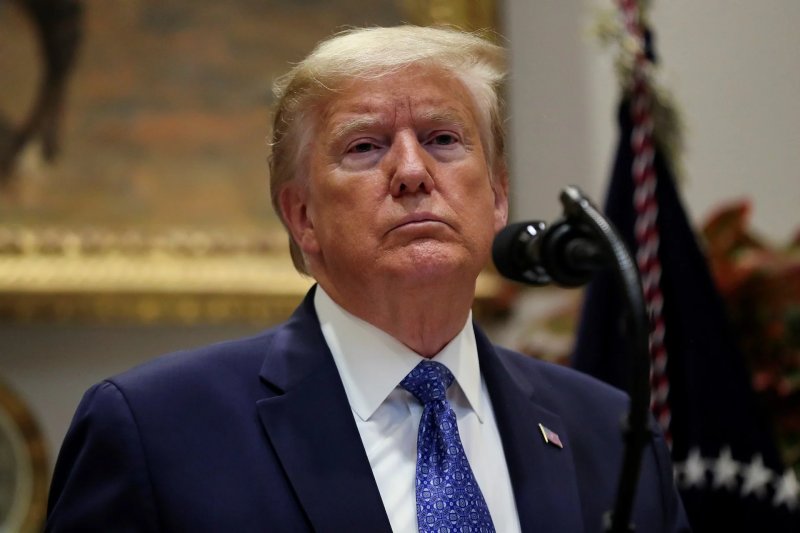
The incident marked the sharpest escalation in U.S.–Venezuela relations in years and effectively pushed the confrontation into a new and far more dangerous phase. Throughout 2025, tensions between Washington and Caracas steadily intensified. The administration of U.S. President Donald Trump repeatedly accused Venezuelan authorities of turning the country into a major hub for international drug trafficking. According to U.S. officials, state institutions and security structures in Venezuela are allegedly involved in protecting narcotics routes, while revenues from illicit trade are said to help sustain President Nicolás Maduro’s government.
Under this rationale, the United States has expanded its military presence in the Caribbean in recent months, stepped up patrols and surveillance, and carried out targeted actions against facilities it claims are linked to drug trafficking networks. American media previously reported the use of drones and special operations against Venezuelan port and logistics infrastructure. However, the strike on Caracas represented a qualitatively different step — a direct use of military force against targets in the capital of a sovereign state. For many observers, this signaled Washington’s readiness to move beyond sanctions and political pressure toward overt demonstrations of military power.
At the same time, the attack is widely viewed as part of a broader strategy aimed at increasing pressure on Nicolás Maduro’s government. Figures close to Trump have made little effort to hide their belief that Venezuela’s leadership lacks legitimacy and is incapable of resolving the country’s deep economic and humanitarian crisis. In U.S. rhetoric, the argument has increasingly been made that meaningful change in Venezuela is impossible without a transformation of power. From this perspective, strikes on military infrastructure in Caracas appear intended to undermine the confidence of Venezuela’s security forces and force the leadership either to make serious concessions or to enter negotiations on Washington’s terms.

Caracas responded sharply. President Maduro condemned the strikes as an act of aggression and a blatant violation of international law, rejecting accusations that Venezuela plays a role in global drug trafficking. He argued that U.S. claims are merely a convenient pretext for interference in the country’s internal affairs. According to the Venezuelan leadership, Washington’s true objective remains control over the country’s vast energy resources and the assertion of dominance in the region. In response, Venezuelan authorities placed the armed forces on heightened alert and launched large-scale military exercises, signaling readiness for further confrontation.
Reaction across Latin America was cautious but clearly uneasy. Many regional governments fear that a direct military confrontation between the United States and Venezuela could destabilize the entire continent, exacerbate migration flows, and intensify political polarization. Several countries called for restraint and urged both sides to de-escalate, emphasizing that the use of force risks consequences far beyond Venezuela’s borders. The Organization of American States expressed concern, though divisions within the organization over Venezuela remain deep and unresolved.
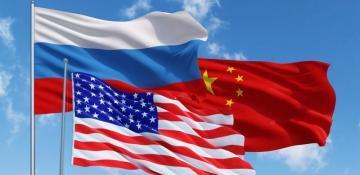
Globally, the U.S. action drew sharp criticism from Russia and China. Moscow stated that the strikes constitute a clear violation of the UN Charter and create a dangerous precedent for unilateral use of force under any justification. Beijing echoed these concerns, stressing that the fight against crime cannot serve as an excuse for attacking a sovereign state. Iran also voiced support for Venezuela, portraying the strikes as part of a broader pattern of U.S. pressure against governments it deems undesirable. The situation once again became a subject of heated debate at the UN Security Council, though prospects for a unified response remain slim due to entrenched disagreements among permanent members.
What comes next remains uncertain. One possible scenario involves the continuation of limited U.S. military actions — targeted strikes, intensified intelligence operations, and tighter maritime control — without a full-scale intervention. Such an approach would allow Washington to maintain pressure while avoiding the risks of a prolonged war. Another scenario points toward diplomatic efforts, especially if the danger of uncontrolled escalation begins to threaten U.S. allies or regional stability. A third factor is economic: Venezuela holds some of the world’s largest oil reserves, and any prolonged instability is likely to affect global energy markets, increasing price volatility and adding to investor anxiety.
The strike on Caracas sent a clear message that the confrontation between the United States and Venezuela has entered a far more dangerous stage. Under the banner of combating drug trafficking and safeguarding security, Washington has demonstrated its willingness to use direct military force, while international reactions underscore just how fragile the global balance has become at the start of 2026. What began as a regional standoff is increasingly taking on the characteristics of a broader international crisis, with consequences that may extend well beyond Latin America in the months ahead.


Similar news