Yusifov on COP-29: Tackling global warming requires financial contributions from major economies



By Faiq Mahmudov
Former Finance Minister of Azerbaijan, Doctor of economic sciences, professor Fikret Yusifov, discussed the key goals of the upcoming COP-29 conference, which include addressing the consequences of climate change and curbing global warming. According to Yusifov, the discussions at the conference will aim to identify and address the causes of global warming, with the primary goal being the active participation of large fuel producers and industrial giants in tackling this global issue.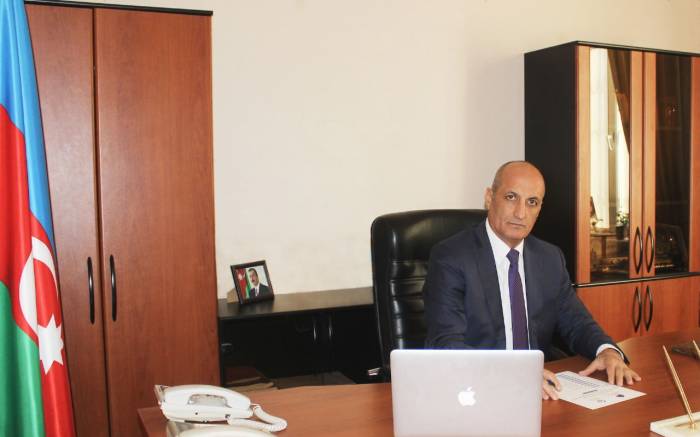
"The most significant result will depend on how major fuel-producing countries and large manufacturers contribute to the fight against climate change. It is widely understood that transitioning the economies of developing countries to greener pathways is not an easy task. Leading nations, especially those rich in fuel resources, recognize this challenge," Yusifov stated.
He also highlighted that financial support for developing countries to overcome these challenges will be a top priority at the conference. However, Yusifov noted that despite previous efforts, the necessary steps have not been fully realized.
"If we had successfully met the demands made so far, we would have achieved some level of stabilization, especially in preventing the global average temperature from rising above 1.5 degrees Celsius . However, the last few decades, particularly the past 20 years, show that temperatures are continuously rising, with 2022 marking a peak in global warming," Yusifov explained.
He added that the actions taken so far have not been sufficiently effective, and that is why discussions at events like COP-29 are becoming more urgent and critical.
The former minister also warned of the potential consequences of inaction, including the displacement of up to 300 million people living in coastal areas by 2050 and the loss of millions of lives due to climate-related disasters.
"The discussions at COP-29 will be decisive, but much depends on the attitudes and approaches of major countries, particularly oil and gas producers. The United States, for example, holds a key role, as its stance on the Paris Agreement under the Trump administration had global repercussions," Yusifov said, referring to Trump's decision to withdraw from the Paris Climate Accord during his first term, a decision that was later reversed by President Biden.
Looking ahead to the U.S. presidential election in November 2024, Yusifov expressed concern about the potential re-election of Donald Trump, questioning the future of U.S. involvement in global climate efforts. "Who can guarantee that the U.S. won’t withdraw from the Paris Agreement again if Trump is elected?" he remarked.
In conclusion, Yusifov emphasized the need for the international community, particularly major fuel producers, to take concrete action and provide financial support to developing countries. "It's not just about agreeing on targets at COP-29; it's about working towards them and investing in solutions, particularly in places like Baku," he concluded.


Similar news