115,000-year-old human footprints discovered in geographically defying location


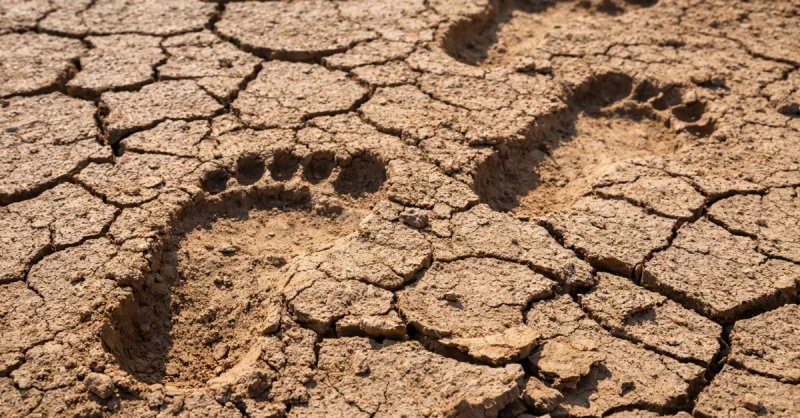
Scientists have discovered seven uniquely preserved human footprints at a site nicknamed Alathar in Saudi Arabia’s Nefud Desert, dating back approximately 115,000 years.
These tracks represent the oldest evidence of human presence on the Arabian Peninsula, found embedded in a prehistoric mudhole alongside hundreds of animal prints from species like elephants and camels, News.Az reports, citing Popular Mechanics.
The footprints were preserved in exceptional detail because the muddy lakebed acted as a natural time capsule, encasing the impressions before they could be eroded or destroyed.
Researchers identify these travelers as Homo sapiens based on the specific dimensions of the prints and archaeological records showing our ancestors' movement into the Levant and Arabia during this era. At the time, the region was not a barren desert but a lush landscape of freshwater lakes and greenery that functioned as a "prehistoric highway." This corridor allowed early humans and large mammals to migrate across the peninsula as the global climate shifted.
RECOMMENDED STORIES
The absence of stone tools or butchery marks on nearby animal fossils suggests that these early humans were not settled in the area. Instead, it appears the lake was a brief resting point where people stopped for water while following migratory animal herds. This discovery provides critical evidence for how early humans navigated out of Africa, highlighting the Arabian Peninsula as a vital gateway for the global expansion of our species.
By Leyla Şirinova


Similar news