2024 Virgin islands election: A new era for local governance


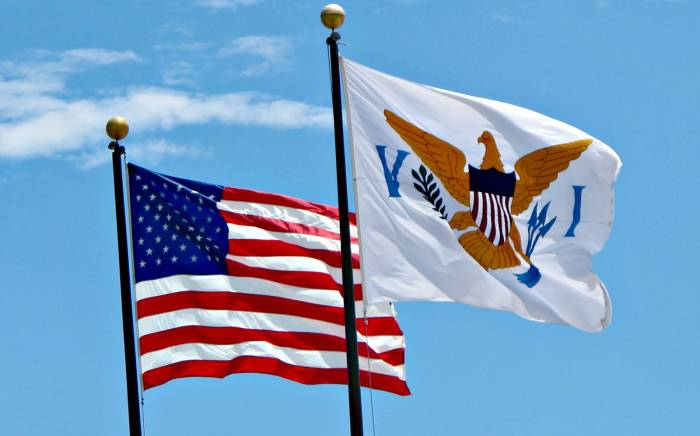
On November 5, 2024, the U.S. Virgin Islands will hold a significant election impacting several key areas of local governance and federal representation. On this day, residents will vote for all 15 members of the Legislature, the delegate representing the islands in the U.S. Congress, as well as members of the Election Board and the Board of Education. Additionally, delegates to the Sixth Constitutional Convention, which will address potential revisions to the Virgin Islands’ governing document, will be elected.
These elections coincide with national elections across the United States, adding significance and offering Virgin Islanders an opportunity to express their stance on governance and representation.
Key positions on the ballot
This election will select representatives for all Legislative districts: seven seats each in the St. Croix and St. Thomas-St. John districts, and one at-large seat representing the entire population. Among the notable candidates:
- Croix district (7 seats): Incumbent Democrat Diana Capehart faces independent candidate Samuel Carrion.
- Thomas-St. John district (7 seats): Democrat Marvin Blyden is up against independent candidate Dwayne DeGraff.
- Congressional delegate: Current Delegate Stacey Plaskett is seeking re-election to continue representing the islands in the U.S. House of Representatives. Her main challenger is Republican candidate Ronald Picard.
This election promises to be competitive, with both traditional party representatives and independent candidates running. Notably, independents like Lorelei Monsanto, who is running at-large, reflect a growing trend of independent candidacy.
Context and importance of the election
The 2024 election is especially significant for the Virgin Islands due to current challenges surrounding governance, legal structures, and representation. The strong desire among residents to reform local governance is tied to the limited federal representation of the region: the delegate from the Virgin Islands in Congress has no voting rights on general matters in the House, making it difficult to advance the interests of residents at the national level. Support for the current delegate or, conversely, the election of a new candidate will act as a referendum on future policy direction and interaction with U.S. federal authorities.
Additionally, the Sixth Constitutional Convention will explore possible changes to the Virgin Islands' governing structure to better meet the region's needs. The Convention may address autonomy, power redistribution, and legal updates that reflect local realities yet remain under U.S. federal law.
Voter eligibility and participation
Voting requirements in the Virgin Islands remain stringent: to vote, a U.S. citizen must be at least 21 years old, have lived on the islands for at least three years, and have no felony convictions. These requirements aim to ensure that only permanent and invested residents, not temporary or unregistered citizens, participate in the electoral process. In light of potential constitutional changes and the importance of Congressional representation, voter turnout is crucial.
For transparency and democracy, polling stations will be open from 7 a.m. to 7 p.m., ensuring ample time for residents to cast their votes.
Main issues and expectations
The election is influenced by the current political climate both locally and federally. Key issues for voters include:
- Economic challenges: Like many island territories, the Virgin Islands face economic hurdles, including a reliance on tourism, slow job growth, and challenging business conditions. Candidates are focusing on economic stability, attracting investment, and job creation.
- Role and responsibilities of the delegate: Given the delegate’s limited powers in Congress, a critical issue is each candidate's ability to effectively represent the territory’s interests federally, despite the lack of voting rights. Republicans emphasize the need for new representation, while Democrats and independents favor continuity, with the re-election of Plaskett symbolizing stability and continuity.
- Constitutional reform: The Sixth Constitutional Convention holds great significance as it may pave the way for legal changes and more autonomous governance mechanisms that align with local needs while observing federal restrictions. Some candidates have already expressed support for reform initiatives aimed at updating the governing law and redistributing power to local authorities.
Potential outcomes and impact on the Virgin islands
The upcoming elections will mark an important step in the political history of the Virgin Islands. Whether a new delegate is elected or the current one remains, each representative elected to the Legislature and other governing bodies will shape the region's development.
Support for independent candidates and potential changes to local law could signal greater civic influence and a gradual shift from a two-party system. If independents secure several key positions, it may indicate a readiness for broader reforms to increase transparency and accountability.
If most voters support traditional candidates, it will likely reflect a preference for stability over radical change. Regardless of the outcome, the 2024 election will be a pivotal moment, demonstrating the Virgin Islanders' resolve to shape their future and elevate their region’s standing on the federal stage.


Similar news