A subtle shift in the Nile may explain the rise of an ancient African empire


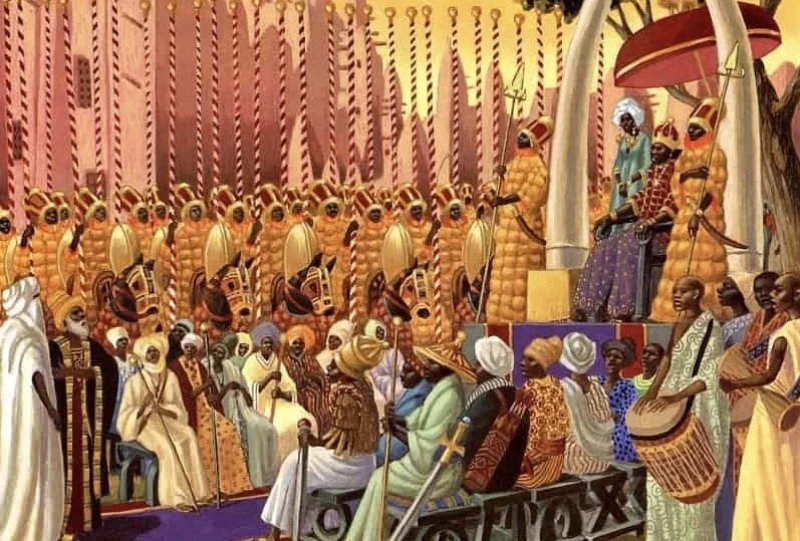
New research suggests that a long-ago change in the course or behaviour of the Nile River may help explain how an ancient African empire was able to emerge and grow in the Nile Valley region.
The Nile has long been the central lifeline of civilizations in northeastern Africa, shaping settlement, agriculture, and trade along its banks for thousands of years, News.Az reports, citing The Debrief.
The river’s stability and predictable flooding allowed early societies to develop complex political structures and support large populations in otherwise desert conditions.
RECOMMENDED STORIES
The study highlights that even small environmental or geological shifts in the Nile system could have had major consequences for human development. Changes in water flow, fertility of surrounding land, and access to resources may have created conditions that allowed certain regions to become more powerful than others.
Ancient kingdoms such as those in Nubia and the broader Nile Valley region are closely linked to the river’s influence, with control of fertile land and trade routes playing a key role in their rise. The article suggests that understanding how the Nile evolved over time can help explain why powerful states emerged in specific locations along its course.
By Leyla Şirinova


Similar news