Ahron Bregman: With a ceasefire likely, Azerbaijan-Israel relations are set to strengthen - INTERVIEW



Ahron Bregman. Source: timesofIsrael
The fall of Bashar al-Assad's regime in Syria within 10 days became a sensational event on one hand and created new realities in the region on the other. It is clear that Assad's downfall has weakened Iran's position and strengthened Türkiye's presence in the region. Many political experts are forecasting various possible scenarios for the region's future. To gain further insight, News.Az turned to a distinguished specialist, British political scientist of Jewish origin, writer, and journalist Ahron Bregman. Our guest also shed light on the future of the highly successful Azerbaijani-Israeli ties and partnership.
- How are Azerbaijani-Israeli relations developing? How do you see the future of these relations?
- Azerbaijan is a vital trading partner for Israel, and this partnership is likely to continue. The exchange of oil, weapons, and other goods will persist. Azerbaijan’s restrained criticism of Israeli actions in Gaza has been appreciated by Israel. Azerbaijan is unique in that it supports the Palestinians and favors a two-state solution, yet it is not overly critical of Israel. With a ceasefire in Gaza likely, the unique relationship between Azerbaijan and Israel is set to continue. Once the war ends, there will be no compelling reason, particularly for Ankara, to pressure Azerbaijan to limit its good relations with Israel.
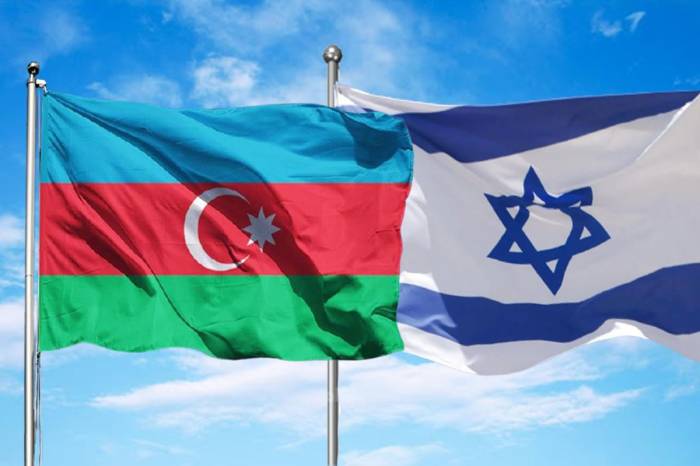
Photo: Google Images
- What policy towards the Middle East will the administration of the new US President Donald Trump pursue?
- Donald Trump is an unguided missile; he could go in any direction, and it is hard to predict his behavior. What we do know is that his instincts are to avoid unnecessary wars, particularly those that might force American economic or physical involvement. But we will have to wait and see.
- What changes may occur in the Middle East conflicts, such as the confrontation between Israel and Hamas or the conflict with Hezbollah, given the potential support of Israel by the Trump administration?
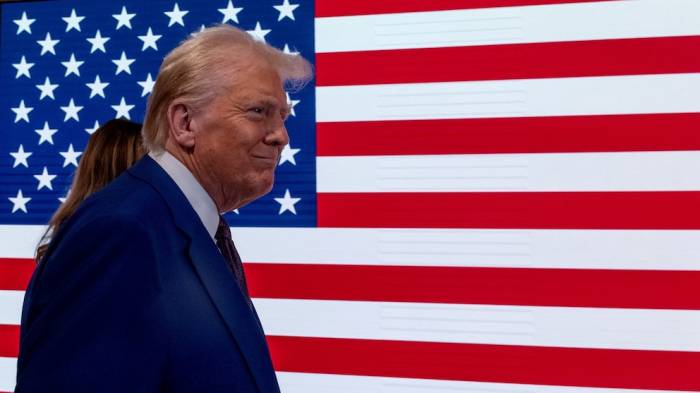
Photo: ABC News
- Trump is putting pressure on all sides, including Israel, to end the Gaza war and the hostage crisis before he assumes office. Surprisingly, he might act as a calming factor in the war between Israel and Hamas. While Netanyahu did not count on Biden, he will listen to Trump—not because they always agree, but because, like many others, he is wary of the unpredictable Trump.
- What are the potential consequences of Trump's decisions on the Iranian nuclear deal and US policy towards Iran? Considering Netanyahu's recent address to the Iranian people about their future freedom, do you think Trump's arrival heightens the risk of internal instability in Iran and regime change?
- Netanyahu, no doubt, would like to see the collapse of Iran and the destruction of its nuclear facilities. He would prefer these facilities to be physically destroyed, which would require strong American support—in particular, American air power. However, whether Trump will allow it or cooperate is uncertain. I believe Trump is more likely to pursue a deal with Iran than to launch military strikes.
- Türkiye's influence in the Middle East, especially in Syria, has increased after Bashar al-Assad. How do you see Türkiye's future role and influence in Syria? Will relations with Israel improve, or are there genuine contradictions between the countries? Or is it merely a policy of rhetorical conflict while the parties coordinate on key issues?
Türkiye will likely take over roles previously played by Iran and Russia in Syria. I also believe Türkiye will lead efforts to pressure Israel to withdraw from Syrian territories it has occupied since the collapse of Assad's regime. Türkiye and Israel have opposing interests in Syria. Türkiye seeks an integrated Syria where the Kurds, in particular, are brought under the umbrella of a new Syrian state and prevented from developing autonomy in northern Syria, which could eventually lead to independence. Israel, on the other hand, prefers a divided Syria. One reason Israel continues bombing Syria is to ensure that no group in Syria grows strong enough to impose its will on others, keeping all parties weak and divided.
- How do you see Israel’s future role in the region?
- Israel will continue to pursue aggressive military activity in the Middle East. I believe Israel's main concern is the potential spillover of events from Syria into Jordan and the occupied West Bank. If forces in Jordan attempt to overthrow the king, I would not be surprised if Israel intervenes to support him, as it did in September 1970 when Israeli forces helped prevent a Syrian invasion of Jordan.
- After the collapse of the government in Syria, Russia’s position has also been weakened. Is the fall of Bashar al-Assad’s regime part of a larger political game or plan targeting Russia?
- Russia is currently preoccupied with the war in Ukraine, which is indirectly linked to the fall of Assad. Putin was hesitant to intervene in Syria as decisively as in the past to save Assad. Syrian opposition forces capitalized on this. However, I believe Russia will try to retain some of its bases in Syria. They are not out of the game yet.
- How are Azerbaijani-Israeli relations developing? How do you see the future of these relations?
- Azerbaijan is a vital trading partner for Israel, and this partnership is likely to continue. The exchange of oil, weapons, and other goods will persist. Azerbaijan’s restrained criticism of Israeli actions in Gaza has been appreciated by Israel. Azerbaijan is unique in that it supports the Palestinians and favors a two-state solution, yet it is not overly critical of Israel. With a ceasefire in Gaza likely, the unique relationship between Azerbaijan and Israel is set to continue. Once the war ends, there will be no compelling reason, particularly for Ankara, to pressure Azerbaijan to limit its good relations with Israel.
Photo: Google Images
- What policy towards the Middle East will the administration of the new US President Donald Trump pursue?
- Donald Trump is an unguided missile; he could go in any direction, and it is hard to predict his behavior. What we do know is that his instincts are to avoid unnecessary wars, particularly those that might force American economic or physical involvement. But we will have to wait and see.
- What changes may occur in the Middle East conflicts, such as the confrontation between Israel and Hamas or the conflict with Hezbollah, given the potential support of Israel by the Trump administration?
Photo: ABC News
- Trump is putting pressure on all sides, including Israel, to end the Gaza war and the hostage crisis before he assumes office. Surprisingly, he might act as a calming factor in the war between Israel and Hamas. While Netanyahu did not count on Biden, he will listen to Trump—not because they always agree, but because, like many others, he is wary of the unpredictable Trump.
- What are the potential consequences of Trump's decisions on the Iranian nuclear deal and US policy towards Iran? Considering Netanyahu's recent address to the Iranian people about their future freedom, do you think Trump's arrival heightens the risk of internal instability in Iran and regime change?
- Netanyahu, no doubt, would like to see the collapse of Iran and the destruction of its nuclear facilities. He would prefer these facilities to be physically destroyed, which would require strong American support—in particular, American air power. However, whether Trump will allow it or cooperate is uncertain. I believe Trump is more likely to pursue a deal with Iran than to launch military strikes.
- Türkiye's influence in the Middle East, especially in Syria, has increased after Bashar al-Assad. How do you see Türkiye's future role and influence in Syria? Will relations with Israel improve, or are there genuine contradictions between the countries? Or is it merely a policy of rhetorical conflict while the parties coordinate on key issues?
Türkiye will likely take over roles previously played by Iran and Russia in Syria. I also believe Türkiye will lead efforts to pressure Israel to withdraw from Syrian territories it has occupied since the collapse of Assad's regime. Türkiye and Israel have opposing interests in Syria. Türkiye seeks an integrated Syria where the Kurds, in particular, are brought under the umbrella of a new Syrian state and prevented from developing autonomy in northern Syria, which could eventually lead to independence. Israel, on the other hand, prefers a divided Syria. One reason Israel continues bombing Syria is to ensure that no group in Syria grows strong enough to impose its will on others, keeping all parties weak and divided.
- How do you see Israel’s future role in the region?
- Israel will continue to pursue aggressive military activity in the Middle East. I believe Israel's main concern is the potential spillover of events from Syria into Jordan and the occupied West Bank. If forces in Jordan attempt to overthrow the king, I would not be surprised if Israel intervenes to support him, as it did in September 1970 when Israeli forces helped prevent a Syrian invasion of Jordan.
- After the collapse of the government in Syria, Russia’s position has also been weakened. Is the fall of Bashar al-Assad’s regime part of a larger political game or plan targeting Russia?
- Russia is currently preoccupied with the war in Ukraine, which is indirectly linked to the fall of Assad. Putin was hesitant to intervene in Syria as decisively as in the past to save Assad. Syrian opposition forces capitalized on this. However, I believe Russia will try to retain some of its bases in Syria. They are not out of the game yet.


Similar news