Pedro Escobar Medina: “Havana is strengthening ties with China and Russia to counter US pressure” - INTERVIEW


.png)

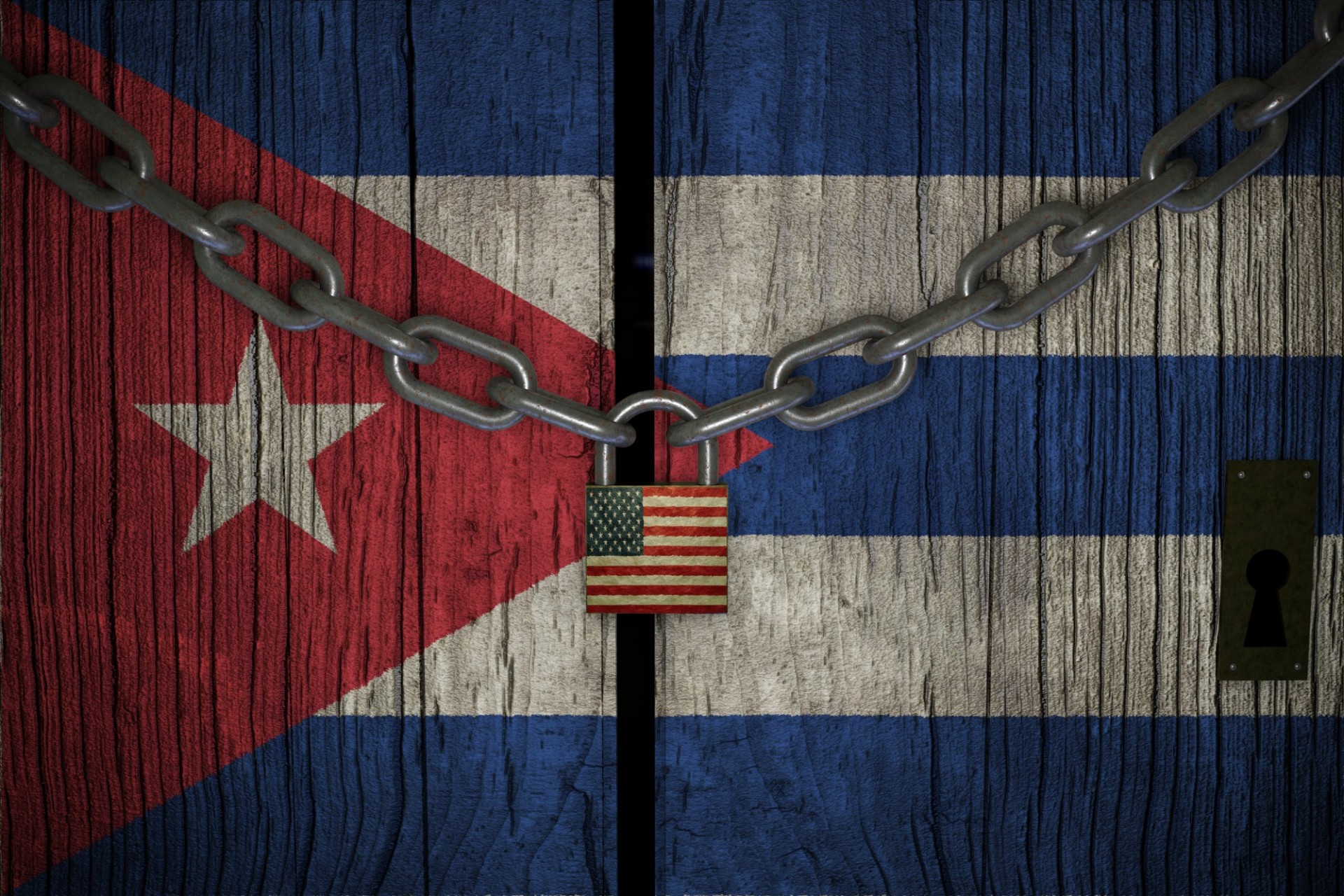
US President Donald Trump’s “Cuba is next” rhetoric signals strategic pressure rather than an imminent policy shift. Analysts say Washington is continuing its long-standing approach of applying economic and political leverage. While energy restrictions are placing strain on Cuba’s economy and society, Havana remains resilient. Rising tensions point to a prolonged standoff rather than direct confrontation, as both sides seek to avoid escalation.
Source: horizontecubano
– Economic restrictions, particularly in the energy sector, have a direct impact on the daily lives of the Cuban population, which in turn affects internal stability.
Cuba has a highly import-dependent energy structure, so any limitation in supply leads to increased power outages, reduced productive activity, and growing social discontent.
However, the Cuban political system has historically demonstrated a high degree of resilience, supported by institutional control mechanisms and a strong political narrative. Therefore, while the impact is significant, it is not necessarily destabilising in the short term.
– Could current US pressure increase the risk of direct confrontation between Washington and Havana?
– The risk of direct military confrontation remains low, but there is a clear increase in political and diplomatic tensions.
Both the United States and Cuba understand the costs of direct escalation. What we are witnessing is a form of low-intensity confrontation, characterised by sanctions, rhetoric, and economic pressure rather than military action.
The most likely scenario is the continuation of a political and economic standoff, rather than armed conflict.
– How is the Cuban leadership responding politically to the escalation in rhetoric and US sanctions?
Source: Squarespace
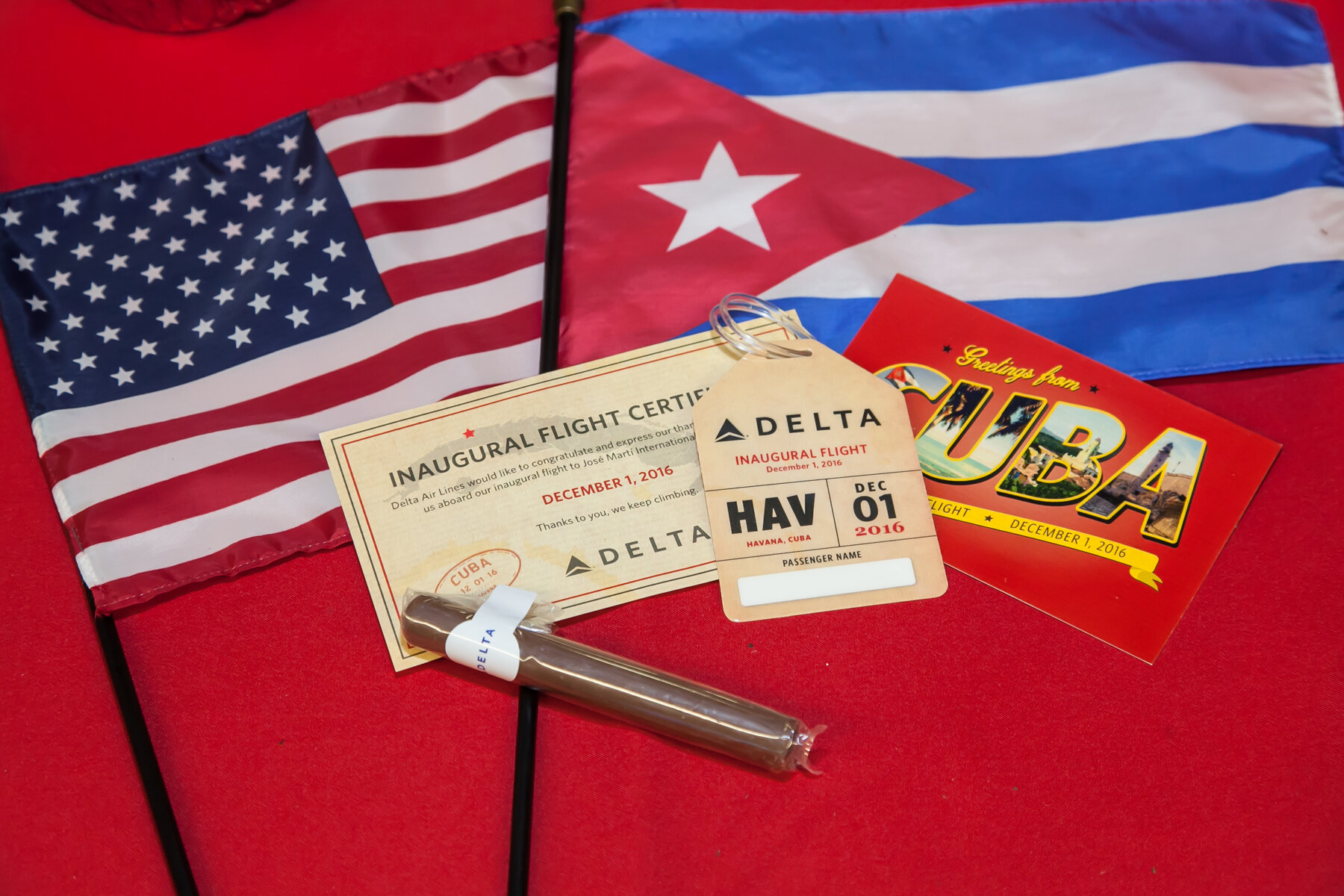
– The Cuban leadership is responding through a traditional approach: strengthening its sovereign discourse, denouncing the embargo, and reinforcing internal cohesion.
The official narrative focuses on attributing economic difficulties to US policies, reinforcing the concept of national resistance, and maintaining internal political unity.
At the same time, Cuba is seeking to diversify its international alliances, strengthening ties with actors such as China, Russia, and other Global South countries as part of a broader geopolitical balancing strategy.
In conclusion, from a strategic standpoint, what we are observing is not an escalation towards direct conflict, but rather a reconfiguration of political and economic pressure, where rhetoric plays a role as significant as concrete actions.


Similar news