Americans are swapping processed snacks for this ancient fruit


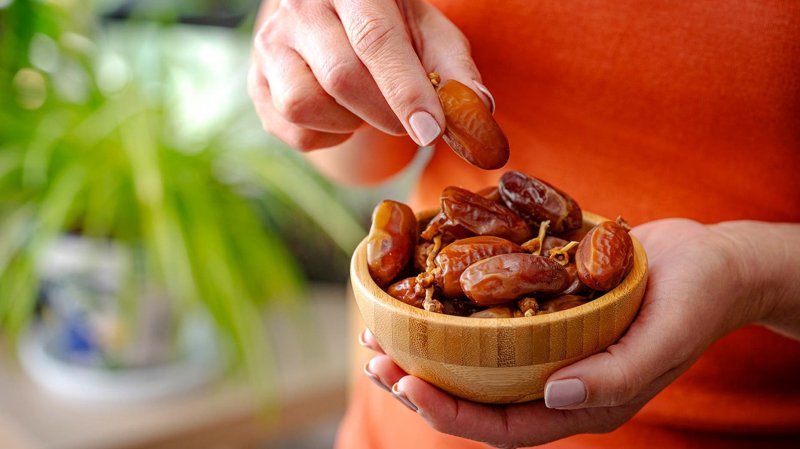
A massive shift is happening in grocery aisles across America. Health-conscious shoppers are officially ditching heavily processed packaged snacks in favor of an ancient, 6,000-year-old stone fruit that is suddenly exploding in popularity: the date.
Once pushed to the back of the pantry, dates are experiencing a massive renaissance. U.S. sales skyrocketed by 33% over the past year, and the momentum isn't slowing down. According to financial projections from Fortune Business Insights, America’s market size for dates is on track to balloon to a staggering $1.6 billion by 2034, driven by a consumer base that is increasingly demanding simpler, single-ingredient whole foods, News.Az reports, citing FOX News.
The unexpected superfood trend has completely taken over social media platforms like TikTok and Instagram, where viral videos of creators using high-moisture Medjool dates as a natural alternative to refined sugar—turning them into "healthy snickers bars" or blending them into smoothies—accumulate millions of views.
RECOMMENDED STORIES
Cultivated by ancient civilizations in Mesopotamia as early as 8,000 years ago, dates have long held deep cultural and religious significance, particularly in the Middle East and Africa, which still command over 85% of global market share.
Medical experts back the fruit's sudden rise to fame. According to data from the Cleveland Clinic, dates are dense with essential nutrients, providing:
High Fiber: Excellent for boosting long-term gut health.
Antioxidants: Linked to improved brain function and healthier skin.
Key Minerals: Packed with vital doses of magnesium and potassium.
However, nutritionists offer one vital piece of advice for those jumping onto the trend. While they are a fantastic whole-food alternative to candy, a single average date contains about 15 grams of natural sugar. To keep your blood glucose levels completely stable, experts recommend pairing this delicious dried fruit with healthy fats or proteins, like walnuts, almonds, or almond butter.
By Aysel Mammadzada


Similar news