Animal welfare is the key to human health


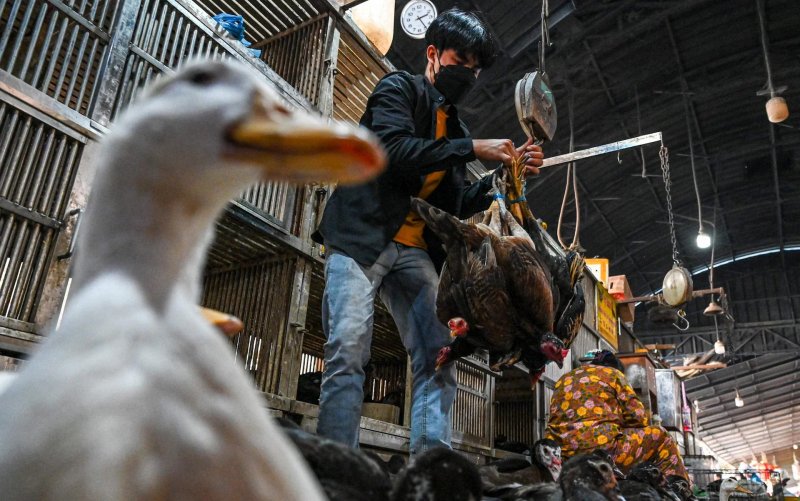
There is a critical link between animal welfare, dietary habits, and global health security, as evidenced by recent findings regarding zoonotic risks.
The global trade and large-scale consumption of animals are increasingly recognized as primary drivers of emerging infectious diseases, News.Az reports, citing The Irish Times.
According to recent scientific analysis, the intensive interaction between humans and animals—facilitated by industrial farming and wildlife markets—creates high-risk environments for pathogens to jump species. This "spillover" effect is not merely an environmental concern but a direct threat to human stability, as seen in previous global health crises.
RECOMMENDED STORIES
To mitigate these risks, experts argue that public health agendas must pivot toward a dual strategy of protection and reduction. On one hand, there is an urgent need for increased investment in animal welfare and the restoration of natural habitats. When ecosystems are preserved, wildlife remains isolated from human populations, naturally containing potential pathogens. On the other hand, the sheer scale of global animal consumption necessitates a shift toward plant-based alternatives. Reducing the demand for animal products directly shrinks the industrial footprint that currently facilitates disease transmission.
Ultimately, protecting animals is an act of self-preservation for humanity. By integrating animal welfare into the core of public health policy and moving away from high-volume animal consumption, society can build a more resilient defense against future pandemics. The message is clear: the health of the planet and its inhabitants is inextricably linked to how we treat and consume other species.
By Leyla Şirinova


Similar news