Azerbaijan’s expanding global role: Building bridges between East and West


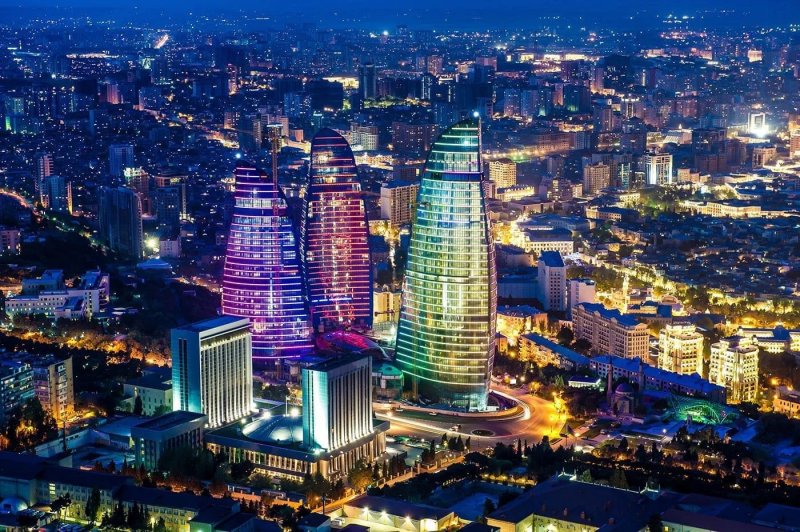
In recent years, Azerbaijan has demonstrated a remarkable ability to transform itself from a country primarily known for its oil and gas resources into a dynamic player on the global stage. This transformation has not happened overnight; it has been the result of deliberate policies aimed at diversification, modernization, and active engagement with international partners. Today, Azerbaijan stands as a model of how a strategically located nation can leverage its geography, resources, and diplomacy to become a hub of connectivity and cooperation.
The First Azerbaijan International Investment Forum, recently held in Baku, was a vivid illustration of this progress. The forum brought together key stakeholders from around the world: policymakers, investors, international organizations, and business leaders. More than just a business event, it symbolized Azerbaijan’s broader ambitions to integrate fully into the global economy and to position itself as a bridge between East and West. The participation of diverse delegations and the wide range of agreements signed during the event highlighted the country’s growing attractiveness to global investors and its readiness to play a central role in shaping regional and global economic trends.
Among the many delegations present, China’s stood out for its scale and strategic significance. A group of 20 companies representing 12 Chinese provinces expressed a strong interest in investing in Azerbaijan, particularly in non-oil sectors. This is a development of historic importance. For decades, Azerbaijan’s economy relied heavily on hydrocarbons, but in recent years, Baku has prioritized diversification as a national strategy. Chinese partners are now focusing on key sectors such as transport and logistics, Caspian Sea shipping, and green energy—areas that are vital for Azerbaijan’s long-term sustainable growth.
He Zhenwei, Secretary-General of China’s Association for the Development of Enterprises Abroad, captured this vision in his remarks at the forum. He emphasized that Azerbaijan possesses unique advantages as a transport hub, particularly within the Middle Corridor initiative, which connects China to Europe via Central Asia and the South Caucasus. By aligning its investments with Azerbaijan’s diversification strategy, China is helping to create a new economic map for the region. This partnership also reflects Beijing’s decision to prioritize sectors beyond oil and gas, demonstrating a forward-looking approach that supports Azerbaijan’s ambitions to become a leader in renewable energy and modern logistics.
A separate but equally significant event was the meeting between Azerbaijan’s Economy Minister Mikayil Jabbarov and the leadership of the Silk Road Fund. Their discussions centered on expanding cooperation under the Belt and Road Initiative, which positions Azerbaijan as a vital link in one of the most ambitious infrastructure projects of the 21st century. By strengthening ties with such an influential financial platform, Baku has enhanced its status as a reliable and trusted partner in global economic initiatives. This strategic cooperation has the potential to bring billions in new investments to the country, accelerating its transformation into a regional logistics powerhouse.
While China’s involvement is crucial, Azerbaijan has wisely pursued a balanced foreign policy that embraces partnerships with Western nations as well. During the forum, representatives from the United Kingdom expressed their country’s strong interest in supporting infrastructure and clean energy projects in Azerbaijan. The UK Export Finance agency signaled its readiness to assist with financing for logistics, railway development, and toll road projects. Moreover, the discussions highlighted opportunities for collaboration in decarbonization and alternative energy—a clear sign that Azerbaijan’s green transition is not just a domestic goal, but a shared international priority.
This balanced approach is at the heart of Azerbaijan’s success. By maintaining constructive relations with both Eastern and Western powers, Baku avoids the pitfalls of overdependence on any single partner. Instead, it positions itself as a neutral, pragmatic actor capable of facilitating dialogue and cooperation across geopolitical divides. This strategy has particular relevance today, as global tensions rise and the need for reliable mediators becomes ever more urgent.
Transport corridors are a cornerstone of Azerbaijan’s vision for the future. Projects such as the Middle Corridor and the Zangezur Corridor are not only critical for Azerbaijan’s economic development but also for global trade. These corridors offer shorter, more efficient routes connecting Asia and Europe, reducing shipping times and costs while enhancing global supply chain resilience. Chinese Ambassador Lu Mei highlighted Beijing’s strong support for these initiatives, underscoring their strategic importance for access to world markets. By championing these projects, Azerbaijan is not merely facilitating trade; it is actively shaping the architecture of 21st-century global commerce.
Azerbaijan’s international engagement is not limited to economic partnerships. The country has increasingly positioned itself as a proactive participant in global initiatives aimed at promoting peace, stability, and sustainable development. At the Global Development Initiative meeting in New York, Foreign Minister Jeyhun Bayramov reaffirmed Azerbaijan’s support for Chinese-led global efforts to foster prosperity and security. His remarks underscored Azerbaijan’s belief that global challenges—from climate change to regional conflicts—can only be addressed through multilateral cooperation.
This commitment to multilateralism is also evident in Azerbaijan’s growing role within international organizations. By actively engaging with bodies such as the United Nations, the World Economic Forum, and the International Finance Corporation, Azerbaijan strengthens its voice in global decision-making processes. It also demonstrates that small and medium-sized states can play meaningful roles in shaping international norms and policies.
The Baku forum was not just about speeches and promises; it delivered concrete results. Several landmark agreements were signed, reflecting the diversity and depth of Azerbaijan’s partnerships. These included:
-
Public-Private Partnerships: A cooperation deal between the Ministry of Economy and the International Finance Corporation aimed at strengthening institutional capacity for public-private partnerships, a critical step for attracting long-term foreign investment.
-
Green Energy Development: A memorandum between the Economic Zones Development Agency and China Datang Overseas Investment Co. to establish a Green Energy Industrial Park. This initiative will advance Azerbaijan’s transition to renewable energy and clean technologies.
-
Sustainable Urban Transport: An agreement between Improtex Group and MAN Truck & Bus to produce electric buses in Azerbaijan, marking a new chapter in sustainable urban mobility.
-
Global Economic Dialogue: A partnership agreement between AZPROMO and the World Economic Forum, ensuring Azerbaijan’s more active participation in global economic discussions.
-
Water Management and Alternative Energy: A memorandum between the Scientific Research Institute of Water and Land Reclamation and ACWA Power to promote knowledge exchange in water resource management and renewable energy.
These agreements collectively demonstrate that Azerbaijan is not only attracting investment but also building the institutional frameworks needed to ensure that development is sustainable, inclusive, and future-oriented.
In a time of rising geopolitical tensions, Azerbaijan’s consistent message of cooperation and connectivity carries special weight. The country has shown that it is possible to navigate complex global dynamics while maintaining independence and strategic balance. By working with both Eastern and Western powers, Azerbaijan has positioned itself as a trusted partner capable of bridging divides and fostering dialogue.
As the country deepens its integration into the international system, its reputation as a reliable, forward-thinking actor will only grow. This, in turn, will bring tangible benefits to the Azerbaijani people, ensuring continued economic growth, improved infrastructure, and a higher quality of life.
Azerbaijan’s journey is far from over. The recent investment forum was a milestone, but it also marked the beginning of a new chapter. By embracing diversification, championing green energy, and promoting global connectivity, Azerbaijan is writing a story of transformation that resonates far beyond its borders.
The world today faces immense challenges, from economic fragmentation to climate change and geopolitical instability. In this environment, countries that can build bridges rather than walls are more important than ever. Azerbaijan’s strategy of balanced, forward-looking engagement offers a powerful example of how a nation can secure its own prosperity while contributing to the global good.
As Baku continues to expand its role on the international stage, one thing is clear: Azerbaijan is no longer merely participating in global affairs—it is helping to shape them.
By Rovshan Sayyaroglu
The material was prepared with the financial support of the Media Development Agency of the Republic of Azerbaijan.


Similar news