Azerbaijan’s expanding global role: From regional stability to global diplomacy


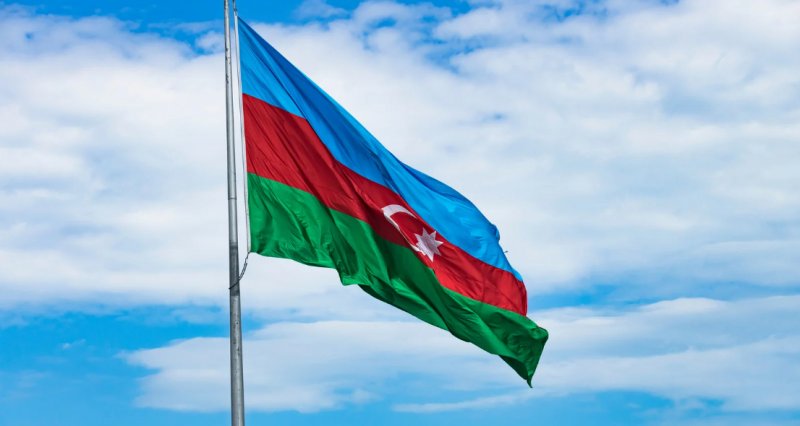
In the modern era, Azerbaijan has evolved into an indispensable actor in both regional and global politics. Through a pragmatic foreign policy grounded in peace, cooperation, and strategic balance, the country has earned the reputation of a reliable and forward-looking partner. Today, Azerbaijan is not only strengthening relations with its neighbors but also actively contributing to the global decision-making architecture, positioning itself as a confident and constructive member of the international community.
A vivid example of Azerbaijan’s growing diplomatic influence was President Ilham Aliyev’s participation in the historic summit in Egypt — a gathering convened at the initiative of U.S. President Donald Trump and hosted by Egyptian President Abdel Fattah el-Sisi. The summit brought together world leaders to address the future of the Gaza region, discuss reconstruction, and seek sustainable peace between Israel and Palestine. In Washington’s statement, the event was described as “a turning point that could lay the foundation for a new era of regional stability.”
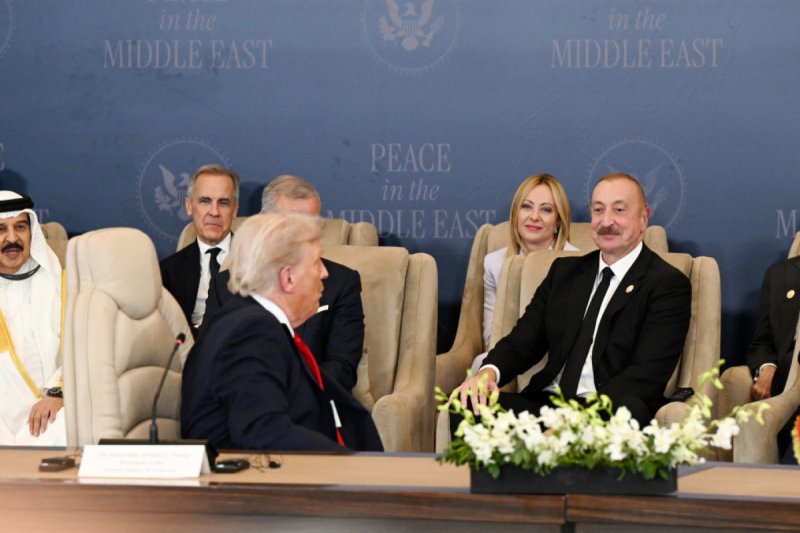
President Aliyev’s personal invitation to this high-level meeting underscores Azerbaijan’s rising international profile and its unwavering commitment to peace and dialogue. His active engagement in diplomatic platforms of such scale reflects the international community’s trust in Baku’s ability to mediate and promote pragmatic solutions. Similarly, the recent Washington meeting between the leaders of Azerbaijan and Armenia — organized at President Trump’s initiative — reaffirmed this confidence, marking another milestone toward the long-awaited peace agreement between the two South Caucasus nations.
Azerbaijan’s victory in the 44-day Patriotic War further consolidated its standing in the international arena. The outcome not only restored justice and territorial integrity under international law but also demonstrated the nation’s resilience and military professionalism. Yet, perhaps more importantly, Baku’s post-war policy has been defined by reconstruction and humanitarian engagement — from rebuilding liberated territories to supporting Syria’s energy infrastructure — reflecting a vision of peace built through cooperation, not confrontation. Under President Aliyev’s leadership, Azerbaijan has shown that true strength lies in reconciliation and forward-looking diplomacy.
Another arena where Azerbaijan’s influence is expanding is the Commonwealth of Independent States (CIS). The recent announcement by the CIS Executive Committee about developing a “CIS Plus” platform — inspired by formats such as BRICS+ and SCO+ — opens new horizons for regional engagement. This initiative aims to move beyond rigid membership structures, introducing flexible partnership and observer mechanisms to foster cooperation across security, trade, and humanitarian domains. For Azerbaijan, whose economy and infrastructure link Europe with Asia, this evolving framework presents a valuable opportunity to enhance its leadership in regional coordination.
With its advanced transport network and strategic position along the Middle Corridor, Azerbaijan is well-placed to assume a central role in shaping the logistics and energy projects within the “CIS Plus” format. The country’s pragmatic foreign policy allows it to serve as a bridge — connecting Eurasian platforms such as BRICS and the Shanghai Cooperation Organization while facilitating dialogue across diverse geopolitical landscapes. This new phase of multilateral cooperation will amplify Azerbaijan’s role as both a connector and a stabilizer in the wider Eurasian space.
At the same time, Baku’s leadership continues to deepen relations within the Turkic world. The recent Summit of the Organization of Turkic States (OTS) in Gabala highlighted Azerbaijan’s strategic commitment to strengthening unity among Turkic nations. As Azerbaijani MP Sabina Salmanova noted, the summit served as “a key milestone in defining the long-term development strategy of the Turkic world.” President Aliyev’s proposals at the summit reflected a pragmatic and forward-thinking vision for collective progress. His call for joint military exercises among OTS members in 2026 was particularly significant — signaling a step toward enhanced defense coordination and demonstrating that the Turkic world can contribute to international stability through unity and preparedness.
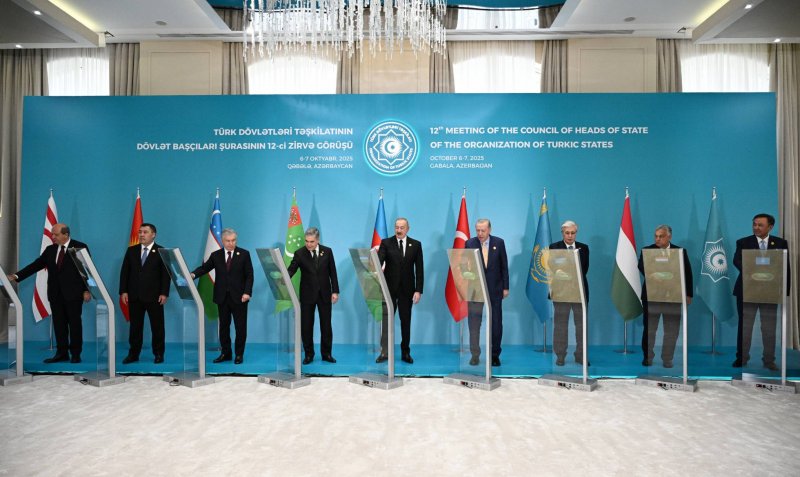
Azerbaijan’s active engagement in the OTS also underscores the depth of cultural and civilizational diplomacy underpinning its foreign policy. Through cultural, economic, and humanitarian projects, Baku continues to promote solidarity based on shared history, language, and values. This approach strengthens mutual trust and reinforces the role of the Turkic states as a cohesive force in regional and global affairs.
All these developments clearly show that Azerbaijan has transcended the role of a regional player to become a contributor to global decision-making processes. Thanks to President Ilham Aliyev’s foresight and steady diplomacy, the country is now recognized as a nation that stands for peace, development, and multilateral cooperation. Azerbaijan’s energy security policies, its investment in transnational logistics corridors, and its humanitarian initiatives have made it not only a stabilizing force in the South Caucasus but also a model of balanced and responsible statecraft on the global stage.
Azerbaijan’s evolution from a regional actor to a global partner demonstrates that pragmatic diplomacy, grounded in national interests and international law, can create lasting peace and prosperity. In a world increasingly shaped by division and uncertainty, Baku’s steady pursuit of dialogue and cooperation stands as a reminder that true leadership is measured not by power alone, but by the ability to build bridges where others build walls.
By Rovshan Sayyaroglu
The material was prepared with the financial support of the Media Development Agency of the Republic of Azerbaijan.


Similar news