Bank of Japan leaves benchmark interest rate unchanged


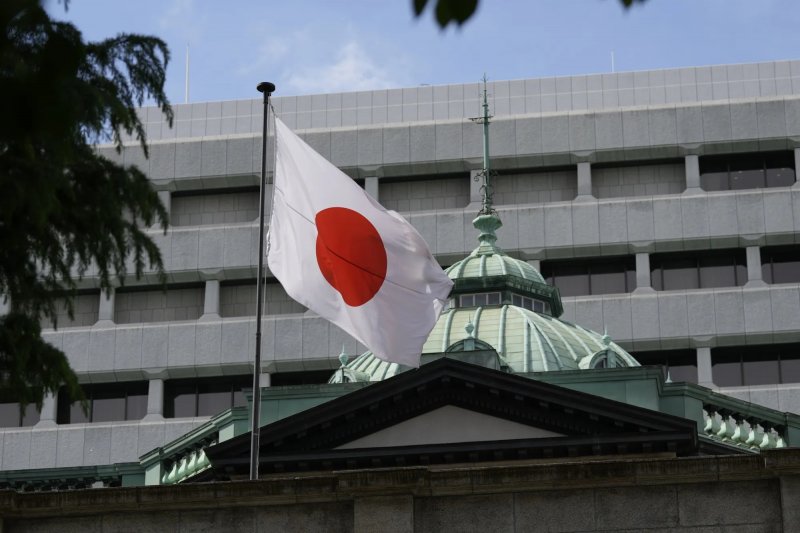
The Bank of Japan kept its benchmark interest rate unchanged at around 0.75 percent on Friday, as it evaluated the impact of last month’s rate hike on the economy amid a recent rise in government bond yields and a weakening yen.
The decision followed the central bank’s move at its December meeting to raise the key rate to its highest level in 30 years, after concluding that the likelihood of achieving its two percent inflation target had increased, News.Az reports, citing Kyodo.
In its latest quarterly outlook report, released after the policy meeting, the BOJ revised up its economic growth forecasts to reflect the effects of a stimulus package put together under the government of Prime Minister Sanae Takaichi, a fiscal and monetary dove who took office in October.
The central bank now projects that Japan’s economy will expand by 0.9 percent in the current fiscal year ending in March and by 1.0 percent in the following year, compared with the 0.7 percent growth forecast issued in October.
The BOJ broadly maintained its inflation projections, except for a 0.1 percentage-point upward revision to 1.9 percent for fiscal 2026.
The report said developments in overseas economies and prices are potential risks to the Japanese economy, while "exchange rate developments are, compared to the past, more likely to affect prices."
With BOJ chief Kazuo Ueda signaling readiness to continue raising rates if economic activity and prices move in line with expectations, market focus has shifted to the timing of the BOJ's next policy move.
Of the nine policymakers, hawkish member Hajime Takata proposed a rate hike to around 1 percent, citing upward risks to prices, though it was voted down.
In the report, the BOJ retained its view that the 2 percent inflation target will be achieved in the latter half of the three-year outlook period through fiscal 2027, a prerequisite for further hikes.
The latest policy meeting was held as financial markets have recently been rattled by surging Japanese government bond yields and the yen's sharp depreciation due largely to concerns over Japan's fiscal health in the wake of Takaichi's expansionary spending policy.
Japan's already strained public finances have come under increased scrutiny after both ruling and opposition parties proposed suspending the consumption tax on food as part of their campaign pledges ahead of a snap lower house election on Feb. 8.
Even after the monetary tightening last month, the Japanese currency has remained under selling pressure, adding to upward pressure on import costs and inflation in the resource-poor nation.
By Nijat Babayev


Similar news