Bolivian president advances emergency law as two ministers resign


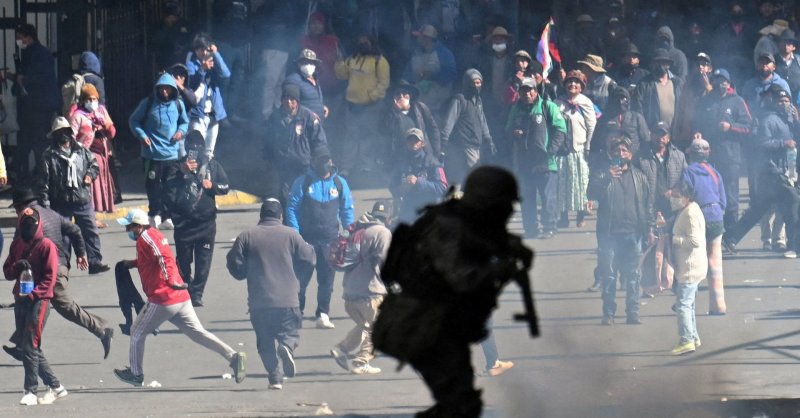
Bolivian President Rodrigo Paz submitted a bill to Parliament on Wednesday to regulate states of emergency, as two ministers resigned during a fifth week of ongoing road blockades.
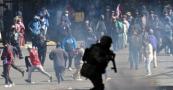
The crisis, which began in early May with protests over fuel shortages, rising living costs and opposition to economic measures promoted by the government, has left at least five people dead and caused economic losses that exceed $1.6 billion, News.Az reports, citing UPI.
RECOMMENDED STORIES
Since the inception, more than 100 roadblocks have disrupted the transportation of goods, food and medical supplies, and fuel distribution in different parts of the country.
"This law regulating states of emergency in the nation has already been sent to Parliament, and I hope it will be resolved soon," Paz said during a public statement.
Paz said the initiative would provide a legal framework for actions the government plans to implement to ensure assistance to the population and distribution of essential supplies.
Bolivia's Constitution provides for a state of emergency in extraordinary situations that affect the country's security or normal functioning. However, the newspaper La Razón reported the government considers it necessary to have a specific law establishing procedures, scope and implementation mechanisms for that constitutional tool.
Paz added that any action taken by the police, armed forces and government would be guided by a "logic of humanitarian action" and defended dialogue as the path to resolving the crisis.
"We come from the real, democratic and constitutional culture of dialogue," he said.
The announcement came the same day defense and education ministers submitted resignations, becoming the most significant cabinet departures since the protests began, according to reports from Bolivian media outlets.
Their departures follow the resignation of Labor Minister Edgar Morales less than two weeks ago.
The resignations represent a new political blow to Paz, who took office six months ago and is facing a growing humanitarian crisis.
The protests, led by labor unions, Indigenous organizations, teachers and groups aligned with former President Evo Morales, have expanded their demands, and some groups have begun to call for the president's resignation.
According to reports by El País and Infobae based on data from Bolivian authorities and business organizations, the Federation of Private Business Entities of Bolivia warned that the road blockades continue to affect productive sectors, exporters and transport operators, while agricultural producers have warned of growing difficulties in moving goods and guaranteeing domestic supply.
The Legislative Assembly must now debate the proposal on states of emergency as protests continue and pressure mounts on the executive branch to solve the crisis.
The government maintains that road blockades are intended to destabilize the constitutional order, while protesters say the demonstrations are a response to deteriorating economic conditions and shortages that affect much of the country.
By Ulviyya Salmanli


Similar news