Chinese investments in Europe under threat?


By News.Az
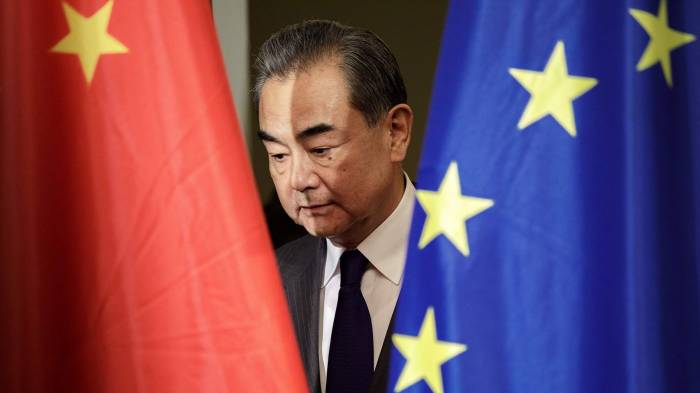
In recent years, the relationship between the European Union and China has undergone significant changes, marked by growing economic interdependence and intensifying competition in the global market. One of the most pressing issues that has sparked tension between these two economic giants is the EU's introduction of import tariffs on Chinese electric vehicles. This move, aimed at protecting European manufacturers, has raised concerns among Chinese companies investing in Europe.The introduction of import duties by the European Union on Chinese electric vehicles could have serious consequences for economic relations between Europe and China. According to Xinhua News Agency , the China Chamber of Commerce for Import and Export of Machinery and Electronic Products (CCCME) has expressed concern over the potential loss of Chinese investment in Europe due to the European Commission's recent decision.
The European Commission's decision to impose temporary tariffs on Chinese electric vehicles as of July 5th this year came as an unexpected blow to many Chinese automakers who had already started or were planning to expand their presence in the European market. The CCCME notes that this decision has caused significant concern among Chinese companies, which are now forced to reconsider their investment plans and carefully assess potential risks. Chinese companies will be closely monitoring the situation and adapting their strategies in response to changes in European policy.
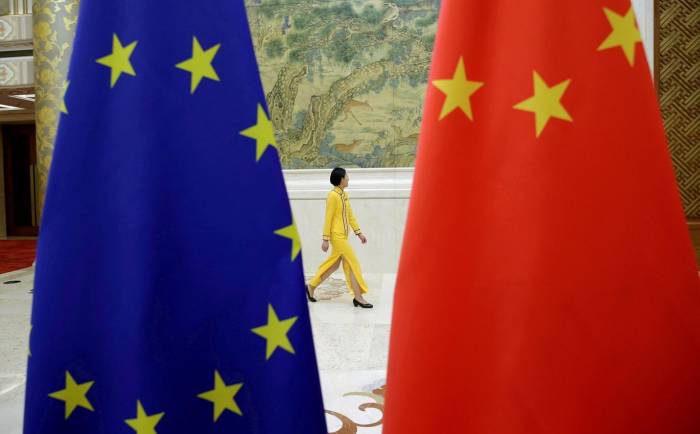 It should be noted that China and the European Union have developed close economic ties over the years, particularly in the automotive industry. The European market, with its high standards and broad consumer base, has always been attractive to Chinese manufacturers seeking to establish themselves on the international stage. The interdependence of supply chains between China and the EU opens up significant opportunities for cooperation, the China Chamber of Commerce emphasizes. The automotive industries of China and the EU are interconnected on many levels, from the supply of components to the development of new technologies and joint ventures. However, the introduction of tariffs could jeopardize these relations, creating obstacles to future joint projects and initiatives, which in turn could weaken the positions of both parties in the global market.
It is important to understand that measures such as the introduction of tariffs can have long-term consequences that go beyond the current economic climate. Decisions aimed at protecting the internal market of the EU may ultimately lead to a deterioration in relations with key trading partners, which could negatively impact the global economy as a whole. In an era of globalization, where countries and companies are increasingly dependent on one another, the adoption of unilateral measures like the introduction of tariffs could trigger a chain reaction, leading to a decline in trust and an increase in economic instability.
The CCCME hopes that the European Union will reconsider its position and cease investigations into Chinese electric vehicles, allowing both sides to maintain fruitful cooperation. The Chinese side emphasizes the importance of an open approach and mutually beneficial partnerships, which can form the basis for the further development of relations between the EU and China. In the face of global challenges such as climate change and the transition to clean technologies, cooperation between major economic players takes on particular importance. Only through joint efforts can sustainable development be ensured and conditions created for the prosperity of all participants in international trade.
The situation surrounding tariffs on Chinese electric vehicles illustrates the complexity of modern international economic relations, where the decisions of one player can have far-reaching consequences for all involved. It is to be hoped that the parties will find a compromise that will allow them to preserve and strengthen the existing economic ties. Otherwise, the risks of losing investment, declining trust, and destabilizing global supply chains could become a reality, with negative repercussions for all involved.


Similar news