Critical medical supplies run out as rare syndrome cases rise in Gaza


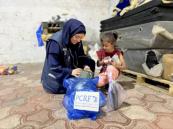
The World Health Organization (WHO) has reported a critical shortage of medical supplies in Gaza, amid a surge in cases of Guillain-Barré syndrome (GBS), a rare condition that can cause severe paralysis.
Since June, 94 cases of GBS have been documented in Gaza, resulting in 10 deaths, including four children under 15 and six adults with an average age of 25. Some victims received no treatment due to shortages of essential medicines, the WHO said, News.Az reports, citing Reuters.
“Intravenous immune globulin (IVIG), Gaza’s first-line treatment for GBS, and plasmapheresis filters remain out of stock, leaving no treatment options available for suspected cases,” the WHO added. Plasmapheresis involves the removal and treatment of blood plasma to treat severe cases.
The rise in GBS has been linked to gastrointestinal and respiratory infections, exacerbated by poor water, sanitation, and hygiene conditions, as well as overcrowding, malnutrition, and weakened immunity.
Aid agencies report that only a small fraction of needed medical supplies has reached Gaza since Israel eased its blockade in May, citing concerns over potential diversion by militants. Meanwhile, diagnostic capacity remains limited, with serum samples from suspected GBS patients being sent abroad for testing.
According to the Integrated Food Security Phase Classification, nearly 514,000 people — about a quarter of Gaza’s population — are facing famine conditions in Gaza City and surrounding areas.
WHO spokesperson Christian Lindmeier told reporters in Geneva, “Given the water, sanitation, and health situation… the conditions are ripe for any infection.”


Similar news