Deep divisions challenge NPT ahead of review conference


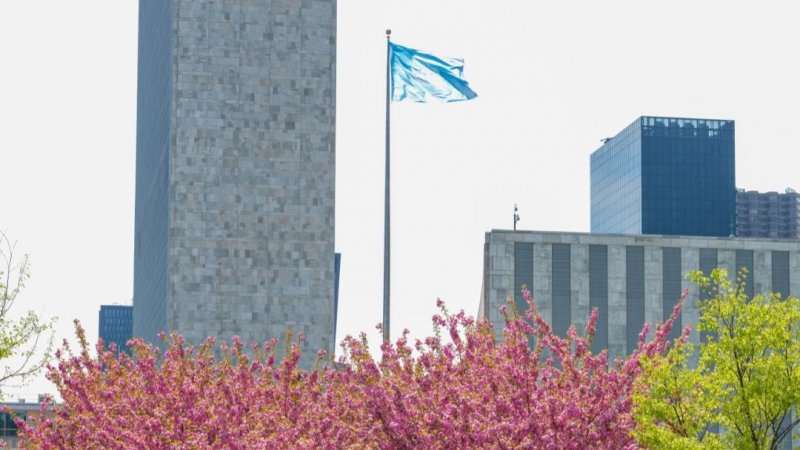
Representatives from most of the 191 states-parties to the Nuclear Nonproliferation Treaty (NPT) are set to gather in New York for a month-long conference aimed at reviewing the implementation of the treaty and attempting to reach agreement on a final document outlining concrete action steps to advance its core principles and objectives.
The meeting, scheduled for April 27 to May 22, will take place amid a series of significant challenges facing the treaty, which serves as the cornerstone of global efforts to prevent the spread of nuclear weapons, promote nuclear disarmament, and support the peaceful use of nuclear energy under strict international safeguards, News.Az reports, citing foreign media.
Conference President Do Hung Viet, Vietnam’s ambassador to the United Nations, said in an interview with Arms Control Today that the treaty “is facing a lot of strain, but it is still extremely important that we work to … rebuild the credibility that the NPT has and the trust that the international community has in the NPT and in a multilateral rules-based framework in general.”
Divisions among NPT members were clearly visible during last year’s preparatory conference, which laid the groundwork for the upcoming review meeting.
RECOMMENDED STORIES
Disagreements included the ongoing Russian war in Ukraine and its impact on Ukrainian nuclear energy infrastructure; concerns from the United States and allies regarding China’s expansion of strategic nuclear forces; criticism over the deployment of U.S. tactical nuclear weapons in Europe and Russia’s decision to station nuclear weapons in Belarus; and frustration over the failure of the five recognized nuclear-weapon states to engage in disarmament negotiations as required under Article VI of the treaty.
Since then, additional challenges have emerged. In October, U.S. President Donald Trump threatened to resume nuclear testing “on an equal basis.” In February, senior U.S. State Department officials accused China of conducting a nuclear test in 2020. That same month, the 2010 New Strategic Arms Reduction Treaty expired, raising the possibility that the United States and Russia could expand and diversify their strategic nuclear arsenals for the first time in decades.
In response to security concerns linked to Russian actions and shifting U.S. commitments in Europe, France announced plans to expand its nuclear arsenal and strengthen cooperation with selected European partners on nuclear deterrence.
Further complicating matters, U.S.-Israeli strikes on Iranian nuclear facilities in June 2025, followed by a full-scale attack on Iran on February 28, have raised serious obstacles to resuming international inspections of Iran’s sensitive nuclear program, while also intensifying regional tensions among NPT members.
By Nijat Babayev


Similar news