Delta softens climate goals, trims SAF pledge


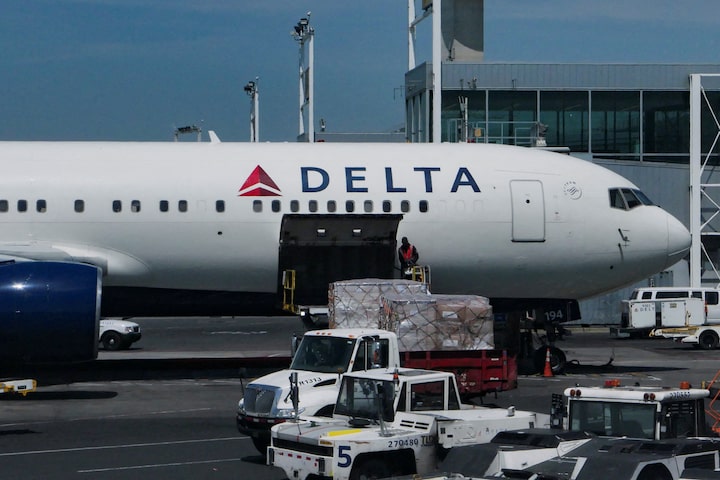
Delta Air Lines has quietly reduced the ambition of two major climate targets, removing key commitments from its sustainability webpage.
The U.S. carrier has dropped its previous pledge to use sustainable aviation fuel (SAF) for 10% of its jet fuel by 2030. It has also reworded its long-term emissions ambition, describing its goal of reaching net-zero emissions by 2050 as an “aspiration” rather than a firm target, News.Az reports, citing Reuters.
The changes were made late last week. Delta has not publicly announced the revisions.
RECOMMENDED STORIES
Sustainable aviation fuel, typically produced from waste materials such as used cooking oil, can significantly reduce carbon emissions compared with conventional jet fuel. However, it remains far more expensive—often two to five times the cost of traditional fuel—and production capacity is still limited.
A Delta spokesperson said the airline continues to view SAF as a critical tool for reducing aviation emissions but warned that slow industry progress is making it harder to meet long-term climate goals.
The move comes amid broader concerns in the aviation industry about the feasibility of aggressive decarbonization targets. Willie Walsh, director-general of the International Air Transport Association (IATA), has previously said that shortages of new aircraft and alternative fuels are threatening the sector’s collective net-zero ambition.
IATA member airlines adopted a net-zero target in 2021, aiming to reduce emissions that account for roughly 2% to 3% of global totals. The strategy depends heavily on scaling up SAF production and faster delivery of more efficient aircraft—both of which have been slowed by supply chain constraints.
By Aysel Mammadzada


Similar news