Dollar surges as oil tops $100 amid Middle East war


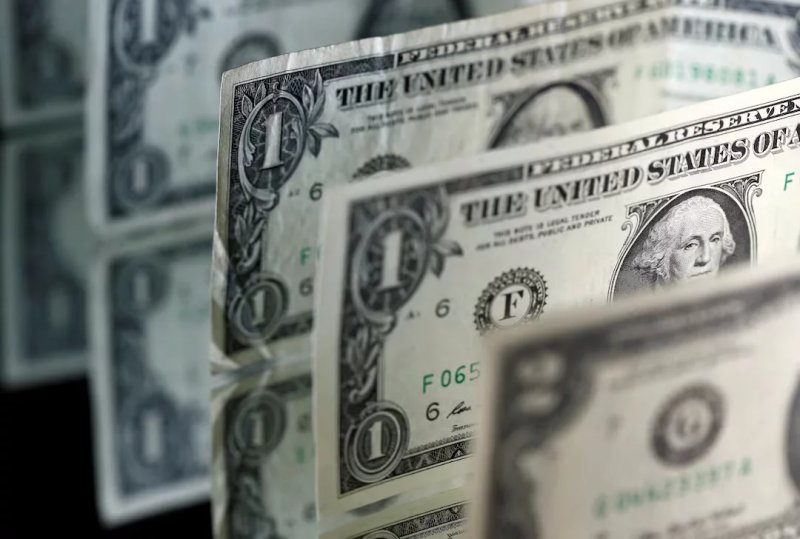
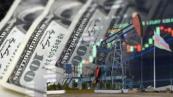
The U.S. dollar jumped sharply on Monday as oil prices surged above $100 per barrel, with investors rushing toward safe-haven assets amid fears that a prolonged Middle East war could disrupt global energy supplies and slow economic growth.
Currencies such as the euro and British pound fell roughly 1% in Asian trading, while the Australian dollar and Swiss franc also declined against the stronger greenback. Analysts say the U.S. currency is benefiting from its traditional role as a safe haven during global uncertainty, News.az reports, citing Reuters.
“The U.S. dollar continues to draw strong support from safe-haven demand and the country’s status as a net energy exporter,” said Ray Attrill, head of foreign exchange strategy at National Australia Bank.
RECOMMENDED STORIES
Markets reacted broadly to the surge in oil prices. Stocks, bonds and precious metals declined, as investors worried that higher energy costs could push inflation higher and delay expected interest-rate cuts from central banks.
The euro dropped about 0.9% to $1.1517, touching its lowest level in three and a half months, while the British pound fell to $1.3294. The dollar also strengthened against the Japanese yen, climbing close to 159 yen per dollar, and rose about 1% against the South Korean won.
Analysts warn that Asia could be particularly vulnerable to the spike in energy prices because many countries in the region rely heavily on oil and gas imports from the Middle East.
“The key issue is how high and how long prices remain elevated,” said Deepali Bhargava, regional research head for Asia-Pacific at ING. “A prolonged conflict combined with weaker regional currencies could significantly increase inflation pressures.”
The war has already disrupted global energy markets. Around 20% of worldwide crude oil and natural gas supplies have been affected as Iran targets shipping in the Strait of Hormuz and strikes energy infrastructure across the region, raising concerns about prolonged instability in one of the world’s most critical energy corridors.
By Aysel Mammadzada


Similar news