Eli Lilly shares surge after strong earnings beat


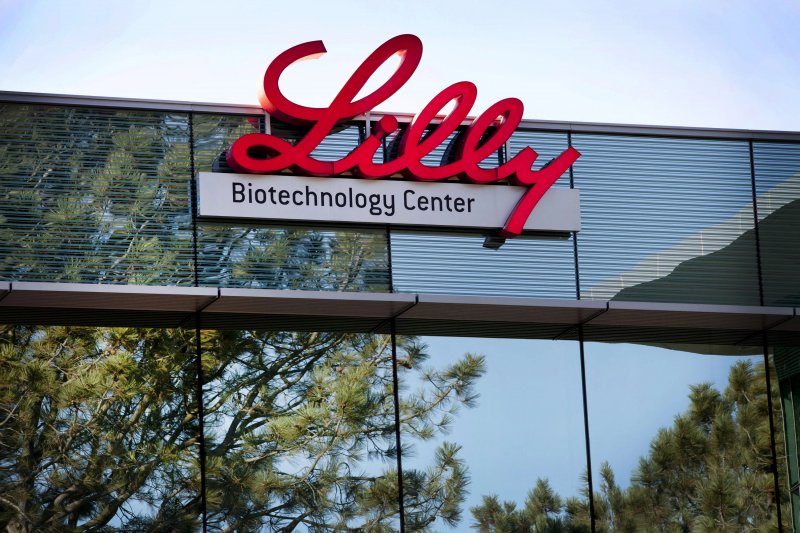
Eli Lilly reported first-quarter earnings and revenue that exceeded Wall Street expectations on Thursday and raised its full-year sales outlook by $2 billion, driven by strong demand for its obesity and diabetes treatments Zepbound and Mounjaro.
The company now expects 2026 revenue to range between $82 billion and $85 billion, up from its previous guidance of $80 billion to $83 billion, News.Az reports, citing CNBC.
It also raised its full-year adjusted profit forecast to $35.50–$37 per share, compared with an earlier outlook of $33.50–$35 per share.
Strong demand for GLP-1 drugs continues to support Lilly’s performance, despite lower pricing in the U.S. market. Mounjaro generated $8.66 billion in global revenue in the quarter, a 125% increase, including $4.2 billion in U.S. sales. The result exceeded analyst expectations of $7.26 billion, according to StreetAccount.
RECOMMENDED STORIES
Zepbound also delivered strong growth, posting $4.16 billion in U.S. revenue, up 80% from a year earlier, slightly above expectations of $4.04 billion. Demand increased even as realized prices declined.
Lilly continues to lead in the expanding GLP-1 market, holding a 60.1% share of the U.S. obesity and diabetes drug segment in the first quarter, compared with 39.4% for rival Novo Nordisk.
For the first quarter, Lilly reported adjusted earnings per share of $8.55 versus $6.66 expected, and revenue of $19.80 billion compared with $17.62 billion forecast by analysts surveyed by LSEG.
The company’s U.S. revenue rose 43% to $12.1 billion, driven by a 49% increase in prescription volumes, particularly for Mounjaro and Zepbound. However, this was partly offset by lower realized prices across some products, including Zepbound and treatments for psoriatic arthritis and other conditions.
Net income for the quarter rose sharply to $7.40 billion, or $8.26 per share, compared with $2.76 billion, or $3.06 per share, a year earlier. On an adjusted basis, earnings stood at $8.55 per share.
The company also noted that its newly approved GLP-1 obesity pill, Foundayo, launched in the second quarter, meaning it was not included in the current results. The product is expected to be a major focus in upcoming investor discussions, particularly as analysts compare its early rollout with Novo Nordisk’s competing Wegovy pill, which entered the U.S. market earlier.
Initial prescription data suggest a modest start for Foundayo, according to analysts at Leerink Partners.
Lilly has previously said it expects growth from the new pill, expanded Medicare coverage for obesity drugs, and continued global demand for Mounjaro and Zepbound, while also anticipating pricing pressure from policy changes and negotiated drug pricing.
Despite this, CEO Dave Ricks has said he expects lower prices to drive higher prescription volumes, projecting global GLP-1 usage to rise from around 20 million patients last year to 30 million by the end of 2026.
By Nijat Babayev


Similar news