EU finds legal basis to designate Iran's Revolutionary Guard as terrorist group


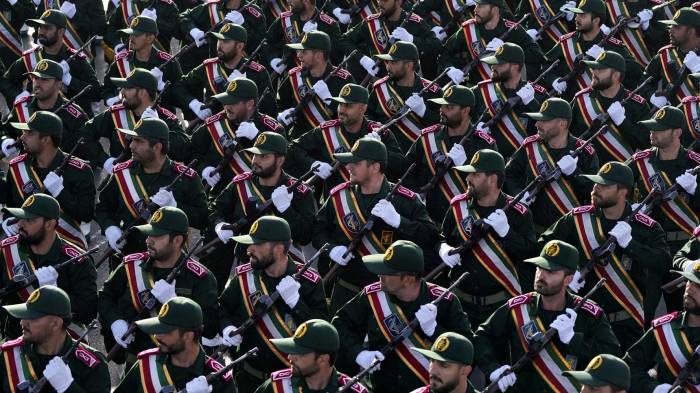
The European Union has identified a legal basis to label Iran's Islamic Revolutionary Guard Corps (IRGC) as a terrorist organization, addressing a long-standing obstacle to this important decision, News.Az reports citing Euronews .
The IRGC has been accused of leading a brutal crackdown on Iranian protesters, transferring arms to Russia and launching ballistic missiles against Israel, as well as propping up militias all across the Middle East.The basis stems from a ruling issued in March by the Düsseldorf Higher Regional Court that found the 2022 attack against the Bochum synagogue in western Germany had been initiated by an Iranian state agency.
When the verdict was published, it raised expectations the bloc could finally secure the legal grounds to move forward with the designation, even if Brussels trod carefully.
Under current rules, adding a new person or entity to the EU's terrorist list requires a decision issued by a judicial body in one of the 27 member states.
Following an internal analysis by the European External Action Service (EEAS), the Düsseldorf ruling has been considered a "sufficient" legal basis to meet the criterium, a high-ranking EU official with knowledge of the process said on Friday.
The conclusion was reached before the summer break, the official said.
"Beyond the legal questions, declaring (as a terrorist organisation) such an important part of the army of a state has a lot of political implications," the official warned, noting the designation would not have "practical consequences" as the Revolutionary Guards are already subject to an extensive regime of EU sanctions, including the freezing of assets and travel bans.
With the roadblock out of the way, the proposal for designation has moved to the next stage: discussions among member states.
The final approval will require unanimity, meaning one single capital could block it.
Speaking on condition of anonymity, a senior diplomat said the question was a matter of "political will" and appeared reluctant to venture on whether the decision would be taken any time soon.
Germany, France and the Netherlands are among the member states who have previously expressed support for the designation. European Commission President Ursula von der Leyen and the European Parliament have also backed the idea.
The US and Canada, two G7 allies, currently apply the designation.


Similar news