Europe pushes ahead on Ukraine as US support weakens


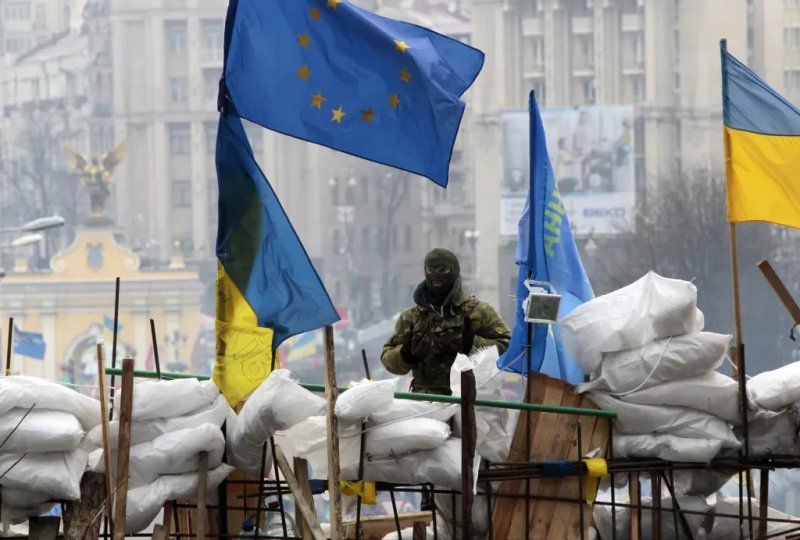
European leaders are increasing support for Ukraine amid signs that the United States is stepping back from its involvement in the conflict with Russia. The shift became more visible after US President Donald Trump stated that responsibility for Ukraine’s future should largely fall on Europe.
During a recent address to the US Congress, King Charles III received strong bipartisan applause after stressing the need for continued resolve in support of Ukraine, News.Az reports, citing Washington Monthly.
However, Trump later signaled a different approach, emphasizing that the United States was no longer supplying Kyiv with weapons and describing the conflict as primarily a European issue.
The situation was further highlighted by the resignation of America’s acting ambassador in Kyiv, the second US envoy to leave the post within a year. At the same time, Trump held another phone conversation with Russian President Vladimir Putin, during which he reportedly praised Moscow’s willingness to discuss a ceasefire.
RECOMMENDED STORIES
Despite growing uncertainty over Washington’s position, European countries have moved to strengthen support for Kyiv. Following political changes in Hungary and the departure of former Prime Minister Viktor Orban, the European Union approved new sanctions on Russia and backed a €90 billion financial package aimed at covering much of Ukraine’s budget needs over the next two years.
The changes also reopened discussions on Ukraine’s path toward European Union membership. European leaders broadly support Ukraine eventually joining the bloc, though disagreements remain over the speed and structure of the accession process.
A proposal discussed in late 2025 suggested granting Ukraine formal EU membership before completing all reform requirements, while delaying full benefits such as voting rights and access to major subsidy programs. Some European governments later pushed for a slower process tied more closely to reforms related to governance, anti-corruption measures, and judicial standards.
Ukrainian President Volodymyr Zelensky criticized the idea of what he described as “symbolic membership,” arguing that Ukraine’s sacrifices during the war deserved full recognition rather than limited status.
At the same time, Ukrainian civil society groups and anti-corruption activists have warned against rushing accession without reforms. They argue that pressure from European institutions has played an important role in pushing democratic and legal changes inside Ukraine since the country formally applied for EU membership in 2022.
According to recent polling cited in the report, support for EU membership among Ukrainians remains high, with many viewing accession not only as a geopolitical goal but also as a path toward stronger democratic institutions, economic modernization, and closer alignment with Western standards.
Analysts and officials continue to discuss possible phased approaches that would allow Ukraine to gradually receive some benefits of integration while continuing reforms in areas including rule of law, financial oversight, and economic regulation.
European officials say the challenge now is to balance political recognition for Ukraine’s wartime role with the EU’s existing accession requirements, while broader geopolitical tensions and uncertainty over future US policy continue to shape the debate.
By Leyla Şirinova


Similar news