Five years after the 44-day war: Azerbaijan’s victory and new reality


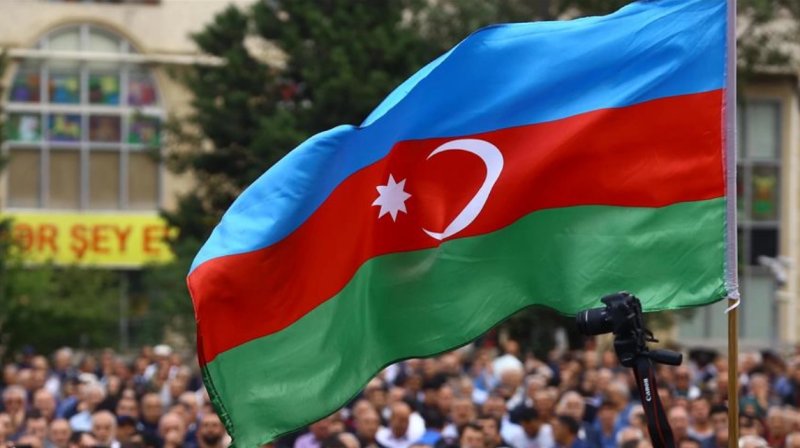
The fifth anniversary of Victory Day, celebrated in Azerbaijan on November 8, is perceived not merely as a symbolic date but as a milestone that fundamentally reshaped the nation’s destiny. Five years after the historic victory, its importance has become even more evident — both in restoring territorial integrity and in strengthening state sovereignty, national identity, and Azerbaijan's international standing.
On September 27, 2020, following a series of provocations, attacks on Azerbaijani military positions, and new attempts by Armenia to expand its occupation, the Azerbaijani Armed Forces, under the leadership of the Supreme Commander-in-Chief, launched a major military operation. The objective was clear: to liberate occupied lands and ensure national security. The operation lasted 44 days and became a turning point in modern Azerbaijani history.
Within a short period, Azerbaijani forces achieved decisive military breakthroughs. The cities of Jabrayil, Fuzuli, Zangilan, Gubadli, the settlement of Hadrut, Suqovushan, as well as hundreds of villages and strategically important heights, were liberated. The defensive infrastructure that Armenia had built over decades collapsed. However, the defining moment came with the liberation of Shusha — a city of exceptional strategic, historical, and cultural significance. The victory in Shusha sealed the fate of the war, forcing Armenia to sign a capitulation agreement. Shortly after, Aghdam, Kalbajar, and Lachin were peacefully returned to Azerbaijan without a single shot fired.
This victory entered global military history as an example of modern warfare — a successful combination of determination, strategic planning, military technology, and nationwide unity. President Ilham Aliyev declared November 8 as Victory Day, a date symbolizing the restoration of justice and Azerbaijan’s sovereign rights.
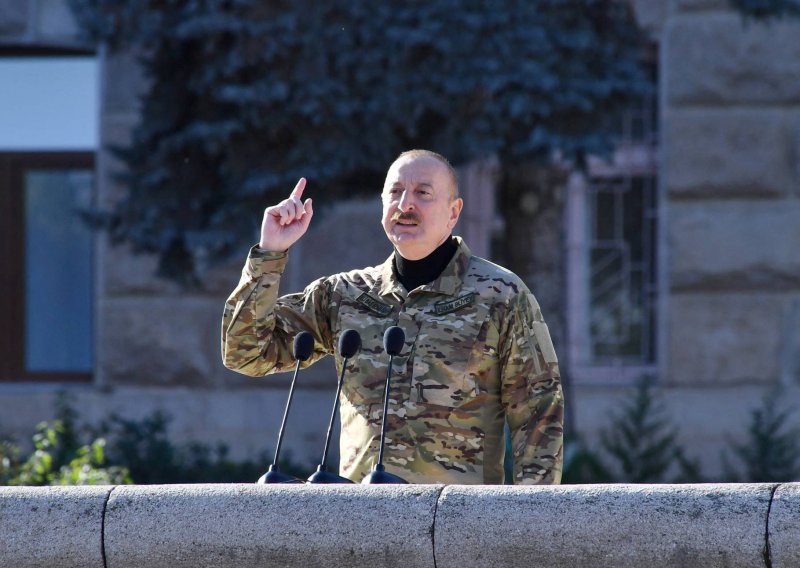
Since then, Azerbaijan has continued consolidating these achievements. In September 2023, local counter-terrorism measures led to the complete neutralization of the remaining illegal separatist structures in Karabakh. The raising of the Azerbaijani flag in Khankendi, Khojaly, Aghdara, and other settlements marked the final restoration of sovereignty.
Azerbaijan’s victory reshaped the geopolitical landscape of the South Caucasus. Regional security and balance of power shifted, and Azerbaijan demonstrated that it is capable not only of defending its national interests but also of shaping a new regional agenda based on justice, law, and cooperation.
A key direction after the war has been international diplomacy. Azerbaijan submitted detailed evidence documenting Armenia’s war crimes — including missile attacks on Ganja, Barda, and Tartar, the use of cluster and white phosphorus munitions, and targeted attacks on civilians. This strengthened Azerbaijan’s position in international law and media, ensuring global recognition of the real nature and consequences of the conflict.
Another major priority has been the reconstruction of the liberated territories. Large-scale state programs are transforming Karabakh and East Zangezur into one of the most ambitious post-conflict revitalization zones in the world. New highways, airports, railroads, hospitals, schools, and residential districts are being built. Concepts such as “smart villages,” “smart cities,” and a “green energy zone” are being implemented, turning Karabakh into a model of modern urbanization and sustainable development. The “Great Return” program and the resettlement of internally displaced families symbolize the rebirth of life in the region.
The victory also strengthened national unity. Society, the Armed Forces, and state institutions operated as a single force. The triumph became a milestone in reinforcing national identity, civic responsibility, and confidence in the state and its future.
The Victory Parades held in 2020 and 2025 were also historic moments. The first highlighted the military power of Azerbaijan and its brotherhood with Türkiye, while the second showcased a modernized army equipped with advanced technology — demonstrating that the victory transformed into long-term strategic capability.

Today, Azerbaijan is not only a victorious nation but also a leading regional actor advocating peace, cooperation, and long-term stability. Although Armenia attempts to avoid international responsibility for its crimes, facts, legal evidence, and geopolitical realities leave little room for manipulation.
The victory achieved in the 44-day Patriotic War became a new chapter in Azerbaijan’s statehood — a symbol of restored justice, strength, unity, and national resilience. It will remain an enduring legacy for generations to come, marking the moment when historical truth prevailed, and Azerbaijan emerged stronger, more confident, and firmly positioned as a guarantor of peace and stability in the region.
By Rovshan Sayyaroglu
The material was prepared with the financial support of the Media Development Agency of the Republic of Azerbaijan.


Similar news