G20 Finance Summit overshadowed by U.S. absence, BRICS tensions


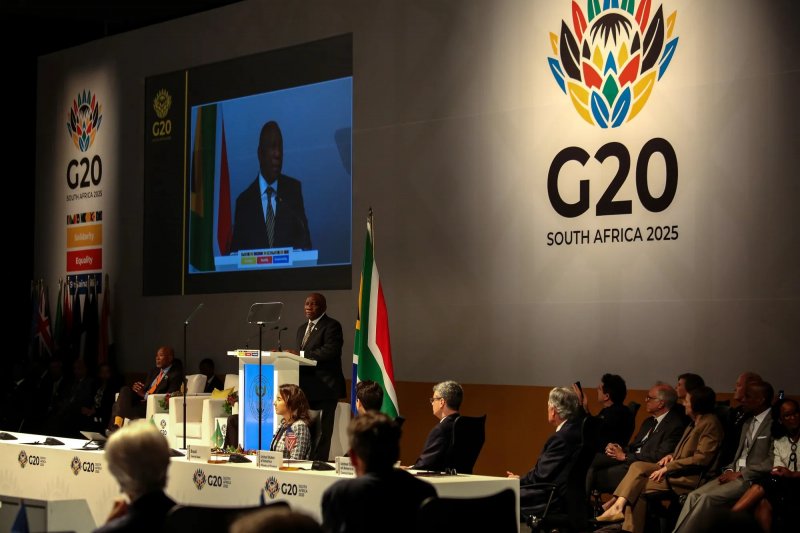
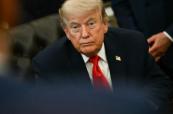
The G20 finance ministers' summit kicking off this week in Durban is facing mounting skepticism over its global relevance as geopolitical tensions rise and U.S. Treasury Secretary Scott Bessent skips the gathering for the second time this year.
The absence of Bessent, amid growing U.S. trade aggression and fractured relations with BRICS members, is casting a shadow over South Africa’s G20 presidency and raising questions about the bloc's unity and effectiveness, News.Az reports, citing Reuters.
“I think it's problematic not to have the world’s largest economy represented at the table, at least at a senior political level,” said Josh Lipsky of the Atlantic Council. He warned that the snub signals Washington’s push for a more pared-down, U.S.-centric version of the G20 ahead of assuming the presidency in 2026.
Tensions have flared in recent months after U.S. President Donald Trump imposed sweeping 10% tariffs on all imports and targeted BRICS members—especially China, Russia, and South Africa—with even higher rates on key sectors. A new round of tariffs is set to take effect August 1, threatening up to 200% levies on pharmaceuticals.
That has raised concerns that the G20, long seen as a symbol of post-crisis cooperation, is splintering amid deepening geopolitical divides.
“The G20 was built on the idea that major economies share a common goal: global economic stability,” said Brad Setser of the Council on Foreign Relations. “Trump doesn’t share that view—he wants a more closed global economy.”
The Durban summit also comes at a precarious time for Africa. Sub-Saharan Africa’s external debt has surged to $800 billion—roughly 45% of regional GDP—while traditional lenders such as China have pulled back sharply.
Former South African Finance Minister Trevor Manuel said Chinese loans under the Belt and Road Initiative have benefited African infrastructure, but often come with non-transparent conditions and high repayment expectations.
“Once the loan is made, they expect a return—and that’s embedded in their legislation,” Manuel noted, calling for greater transparency in loan arrangements.
Meanwhile, U.S. and European aid—which makes up around 25% of Africa’s external financing—is dwindling, with Washington freezing foreign aid and European capitals redirecting funds to defense amid global instability.
“Africa is in a difficult space,” said Lumkile Mondi of the University of Witwatersrand. “With debt mounting and growth slowing, the continent risks becoming increasingly irrelevant in the current geopolitical landscape.”
South Africa had hoped to leverage its G20 presidency—under the theme “Solidarity, Equality, Sustainability”—to push climate financing and address the widening gap between the global North and South. Instead, it’s grappling with trade wars, aid cuts, and fractured multilateralism.
The G20’s Financial Stability Board did release a plan this week on tackling climate-related financial risks. However, progress is limited as the U.S. has pulled back from key working groups on environmental risks to economic stability.
Despite the challenges, South Africa’s Treasury said it remains committed to releasing the first G20 Communique under its presidency following the summit. But hopes for tangible progress may be tempered by a lack of consensus and the absence of key global players.
As the summit opens Thursday, the spotlight remains not on what will be achieved—but on who isn’t in the room.


Similar news