Georgia faces challenges in breaking free from Russia's influence ahead of election


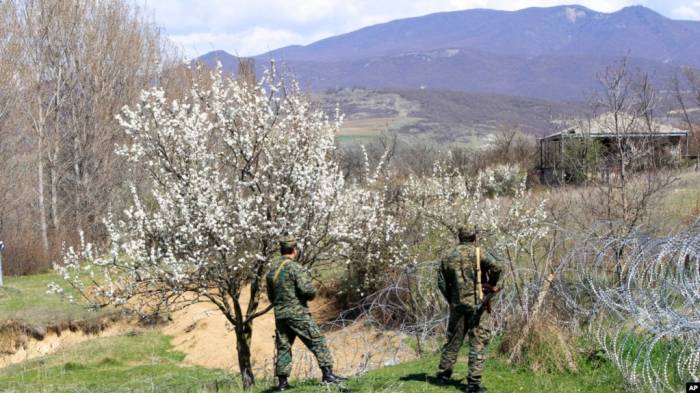
On a clear October day, the snow-capped Caucasus mountain peaks of Georgia’s South Ossetia are visible from Tbilisi. Yet for most Georgians, the region is off-limits.
South Ossetia, and Abkhazia farther to the west, have been under the control of Russian-backed separatists since 1992. Both regions broke away from Georgia during the collapse of the Soviet Union, in brutal ethnic conflicts stoked by Moscow.Russia’s historical influence looms over Georgia’s upcoming election on Oct. 26, which is widely seen as a referendum on a future aligned to the West or to Moscow.
The ruling Georgian Dream party has pledged to reconcile with the breakaway regions and reunite Georgia.
“I want to use this opportunity to address our people on the other side of occupation land in Abkhazia and Tskhinvali (South Ossetia) regions,” Georgian Prime Minister Irakli Kobakhidze said at the United Nations’ General Assembly last month.
“Whatever actions we take are done to help our people, so that one day with our children we can live together in one happy, united and developed Georgia. On this side of the occupation line, we will always meet you with an open heart. We have to rebuild all the broken bridges in our country,” Kobakhidze added.
Russian forces invaded Georgia in 2008, before formally recognizing South Ossetia and Abkhazia as independent states. Several hundred Georgian soldiers and civilians died in the five-day conflict. Russia’s troops still occupy 20% of Georgian territory, including the two breakaway regions.
Yet the billionaire founder of Georgian Dream, Bidzina Ivanishvili, blames Georgia for the conflict, accusing the “criminal regime” of former Georgian president Mikheil Saakashvili of starting the war on the orders of foreign powers.
“Immediately after the October 26 elections, those who instigated the war will face justice,” Ivanishvili said at a campaign event on Sept. 15 in Gori, a city briefly occupied by Russian forces in 2008. He said that Georgia would then apologize for the war.
Ivanishvili’s comments sparked widespread anger among Georgians.
Critics said it’s a stark example of Georgian Dream’s closer alignment with Russia — but this time, it backfired.
“In this case, they didn’t get a favorable response from Russia,” noted political analyst Ghia Nodia of Georgia’s Ilia State University. “Russia stated that Abkhazia and South Ossetia are independent states, and reunification with Georgia isn’t going to happen.”
Georgian Dream officials defended Ivanishvili’s comments.
“In order to resolve this conflict, of course, there’s the issue with Russia, but there’s also the problem between Georgian society and the Ossetians and Abkhazians,” said Nikoloz Samkharadze, a member of Georgian Dream and chairman of the parliamentary Foreign Relations Committee. “Reconciliation won’t happen unless these societies forgive and apologize to one another.”


Similar news