Georgian speaker blames Brussels for October unrest, demands EU envoy response


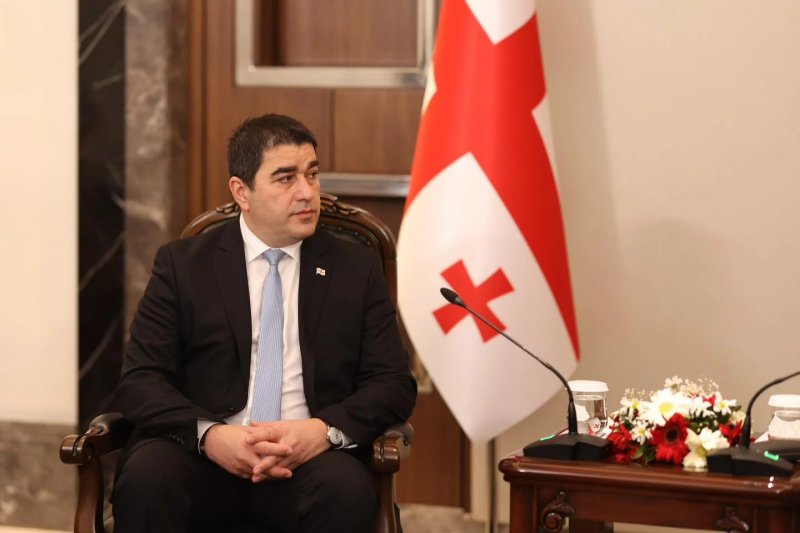
Georgian Parliament Speaker Shalva Papuashvili has accused Brussels of bearing responsibility for violence during the October 2025 municipal election-day protests and called for the EU ambassador in Tbilisi, Paweł Herczyński, to be held accountable.
His remarks came after a Tbilisi court sentenced five opposition figures to seven years in prison over their role in protests that authorities described as an attempted coup, News.Az reports, citing News Georgia.
“What we saw on 4 October is entirely the political responsibility of Brussels. We saw support from the European Commission for violence that had been announced in advance,” Papuashvili said. He also alleged that European Parliament members and others had encouraged unrest on social media during the events.
RECOMMENDED STORIES
“We are asking for an answer from the European Union: where are those European values we are told about? Is violence a European value? Apparently, overthrowing governments is a European value, harming people is a European value,” he said.
Papuashvili further demanded a response from the EU’s diplomatic mission in Georgia. “We expect and demand an answer from the EU ambassador regarding 4 October: does he intend to apologise to the President of Georgia for the attack on the presidential palace by people they encouraged and incited?” he said, adding that Herczyński had not publicly condemned the violence against the president or the presidential residence.
The 4 October protests took place alongside opposition-boycotted municipal elections in Tbilisi, with demonstrators calling for a “peaceful revolution”. Authorities say some participants moved from Rustaveli Avenue to Atoneli Street and attempted to breach the presidential residence, prompting police to intervene. Clashes continued for several hours, which officials later described as an attempted revolution.
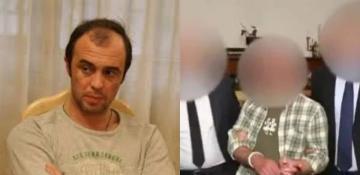
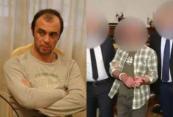
On Thursday, the Tbilisi court sentenced opera singer Paata Burchuladze, former Deputy Chief of the Georgian Armed Forces General Staff Lasha Beridze, and opposition politicians Murtaz Zodelava, Irakli Nadiradze and Paata Manjgaladze to seven years in prison. All five denied the charges of incitement to overthrow the government and organising violence. Transparency International Georgia described them as “victims of political persecution”.
Strained relations with the EU
Relations between Tbilisi and Brussels deteriorated sharply in spring 2024 following the adoption of the foreign agents law. The Georgian government later suspended EU accession talks, prompting the bloc to freeze financial assistance and high-level contacts.
The moves triggered large-scale anti-government protests in Georgia, where public support for EU membership remains strong.
The European Union has repeatedly urged the government to respect public will and return to the path of European integration.
EU Ambassador Paweł Herczyński, who represents the European Commission’s position in Georgia, has become a frequent target of government criticism. He was recently summoned to the Foreign Ministry over remarks warning of a possible return to “dark times” in the country.


Similar news