Germany returns stolen WWII artifacts to Poland in historic gesture


Germany is set to return several priceless cultural treasures looted from Poland during World War II, according to a report by the Polish daily Gazeta Wyborcza.
The handover is scheduled to take place this month. It serves as a symbolic gesture marking the 35th anniversary of the 1991 Polish-German Treaty on Good Neighborliness and Friendly Cooperation—a foundational agreement that reshaped relations between the two nations after the collapse of communism, News.Az reports, citing Anadolu Agency.
The upcoming restitution includes artifacts deeply woven into Poland's national heritage, such as:
RECOMMENDED STORIES
A Royal Artifact: A historic ring associated with King Sigismund I the Old.
Medieval Music: A manuscript fragment containing Gaude Mater Polonia, one of Poland's most historical anthems.
Literary History: Rare writings by the celebrated Polish author Stefan Żeromski.
These pieces are among the hundreds of thousands of artworks, books, and historical objects stripped from Poland during the Nazi German occupation between 1939 and 1945. This move follows a similar gesture in December 2025, when Berlin returned several medieval Polish documents as part of an accelerating restitution process.
While the return of these artifacts marks a diplomatic win, it is unlikely to resolve the deepest wound in contemporary Polish-German relations: financial compensation for surviving victims of the Nazi occupation.
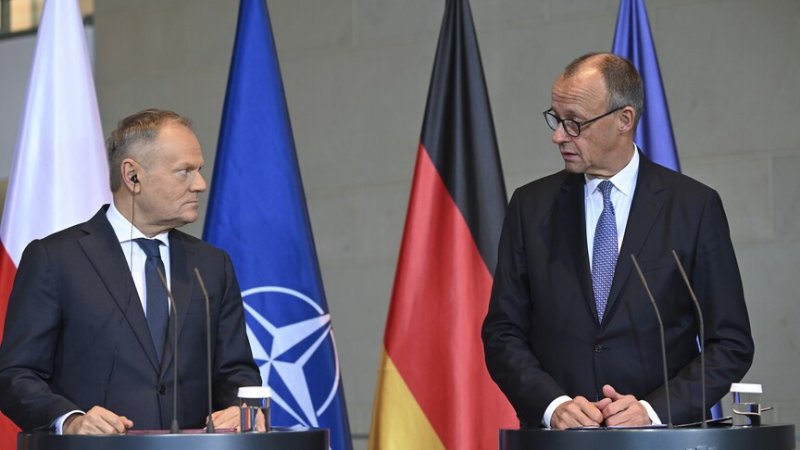
Polish Prime Minister Donald Tusk raised the issue directly with German Chancellor Friedrich Merz during a visit to Berlin, emphasizing that time is running out for the estimated 50,000 surviving Polish victims of wartime persecution.
The Standpoint: Berlin maintains that the issue of state reparations was legally resolved through postwar agreements and treaties. Instead, Germany has focused on improving bilateral ties through historical initiatives, memorials, and the ongoing return of stolen cultural property.
The return of these treasures comes at a critical time as Warsaw and Berlin look to strengthen cooperation on European security, defense, and support for Ukraine, even while navigating persistent disagreements over their shared wartime history.
By Aysel Mammadzada


Similar news