Global bond yields surge to 16-year high


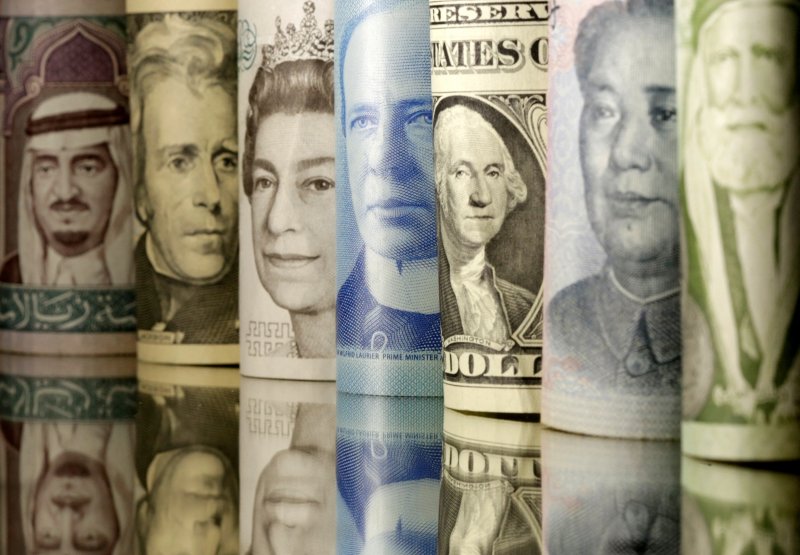
Global bond yields have climbed to levels last seen in 2009, ahead of a key Federal Reserve policy meeting, signaling concerns that the era of interest-rate cuts—from the U.S. to Australia—may be coming to an end.
A Bloomberg gauge of long-dated government bonds shows yields at 16-year highs, with money market activity reflecting similar sentiment. Traders now expect virtually no further rate cuts from the European Central Bank, anticipate a near-certain hike this month in Japan, and foresee two quarter-point increases next year in Australia, News.Az reports, citing Bloomberg.
Even in the U.S., where the Fed is expected to lower rates on Wednesday, the outlook is shifting. Yields on 30-year Treasuries have returned to multi-month highs as investors brace for tighter monetary policy, inflation pressures, and fiscal challenges.
The Fed’s preferred inflation measure rose to 2.8% in September, nearly a full percentage point above its target. Concerns over the independence of the next Fed Chair and borrowing to cover a $1.8 trillion budget deficit are also weighing on the market.
“A ‘disappointment trade’ is unfolding across several developed markets,” said Robert Tipp, chief investment strategist and head of global bonds at PGIM Fixed Income. Long-term U.S. rates face pressure as the Fed’s easing cycle may be ending.
The market shift reflects growing conviction that the rate-cutting cycle—which began last year to stimulate growth, lifting global stocks to record highs and boosting bond prices—is likely nearing its conclusion. Bond investors are increasingly assessing global growth prospects, inflation risks amid trade tensions, and rising government debt from Tokyo to London.
Bond yields in Japan to Germany have also climbed to multi-year highs, with longer-dated debt under most pressure as investors seek higher compensation for holding riskier securities.
Treasuries are in focus just hours ahead of the Fed meeting, where policymakers are expected to deliver a third consecutive cut. Yields on 10-year Treasuries are hovering around the highest levels since September, an unusual phenomenon that suggests concerns around the US’ debt pile and who may replace Chairman Jerome Powell when his term ends in May.
White House National Economic Council Director Kevin Hassett has emerged as the front-runner, and is widely considered a supporter of Trump’s preference for lower rates.
“We’ve seen the Hassett-trade price in easing monetary policy in recent days with a weaker dollar, steeper yield curve and rallying risk assets,” wrote Gordon Shannon, a portfolio manager of TwentyFour Asset Management. “However, markets are hesitant about how far to push this — even a Hassett-led Fed may be constrained by persistence in inflation.”
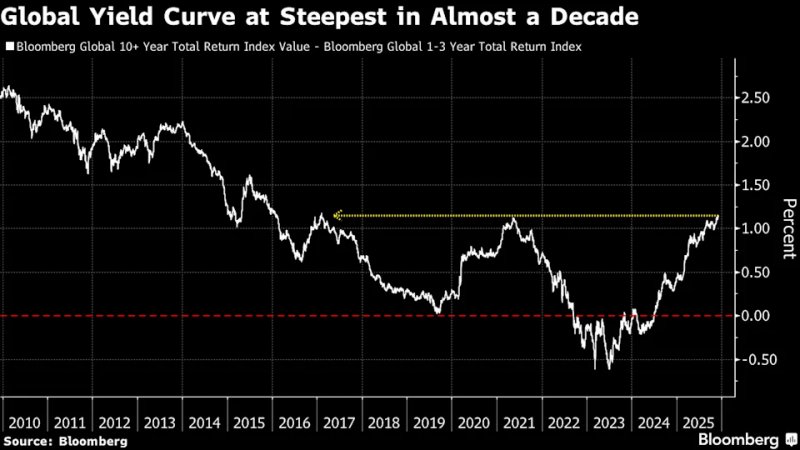
For now, global bond markets are signaling that borrowing cost pressures will persist.
German lawmakers are set to approve a record €52 billion ($61 billion) of defense orders next week, while investors are still digesting Japan’s biggest burst of spending since pandemic restrictions eased. In Sydney, central bank Governor Michele Bullock has virtually ruled out rate cuts, with the rapid shift in expectations driving Aussie bond yields to the highest among developed markets.
“This yield move is about anticipating stronger growth because the world will likely be fiscally more expansionary next year,” said Amy Xie Patrick, head of income strategies at money manager Pendal Group Ltd.


Similar news