Global ocean protection passes 10% milestone


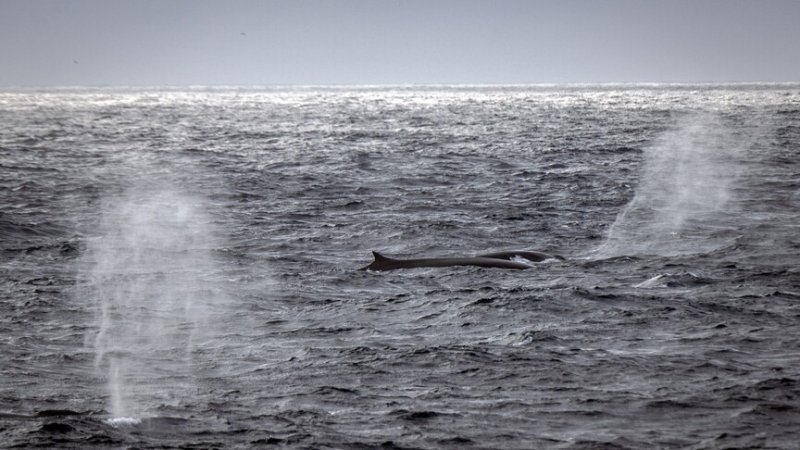
More than 10% of the world’s oceans are now officially designated as protected areas for the first time, marking a key milestone in global conservation efforts, according to a joint study by UNEP-WCMC and IUCN.
The report puts global marine protection coverage at 10.01%, surpassing a long-standing target originally set for 2020 under the Aichi Biodiversity Targets—six years behind schedule, News.Az reports, citing Turkish media.
While the achievement is being welcomed as progress, experts caution that it represents only one-third of the way toward the 30% protection goal set for 2030 under the Kunming-Montreal Global Biodiversity Framework.
RECOMMENDED STORIES
Ocean protection has accelerated in recent years, rising from 8.6% in 2024, with around 5 million square kilometers added to protected areas. However, most of this expansion has taken place within national waters.
According to researchers, coverage in national jurisdictions has reached 23.2%, while only 1.7% of international waters—areas beyond national control—are currently protected, highlighting a major gap in global conservation efforts.
Neville Ash, director of UNEP-WCMC, said the milestone is significant but stressed that simply increasing coverage is not enough. He emphasized that protected areas must be strategically located, effectively managed, and ecologically connected to deliver real benefits for biodiversity.
Experts also underline the importance of implementing broader measures beyond protection zones, noting that the global biodiversity framework includes 23 targets aimed at improving overall ecosystem health.
Beyond biodiversity, ocean conservation is seen as a key tool in tackling climate change. Healthy marine ecosystems can absorb and store carbon, while coastal habitats such as coral reefs and mangroves help protect communities from extreme weather.
Looking ahead, the biggest opportunity to expand marine protection lies in international waters through the implementation of the High Seas Treaty, which provides a mechanism to designate protected areas beyond national jurisdictions.
Despite progress, scientists warn that achieving the 2030 goal will require a dramatic expansion—roughly equivalent to protecting an area the size of the Indian Ocean—alongside stronger global cooperation and enforcement.
By Aysel Mammadzada


Similar news