Global weather chaos: Why Moscow just saw its heaviest snow since 1880


As of late April 2026, the global climate appears to be operating in a state of profound "seasonal confusion." While residents of Moscow are currently witnessing record-shattering snowfalls, other parts of the world are grappling with violent storms, unseasonal heat domes, and devastating floods. This atmospheric chaos is a symptom of a highly energized and disrupted global climate system.
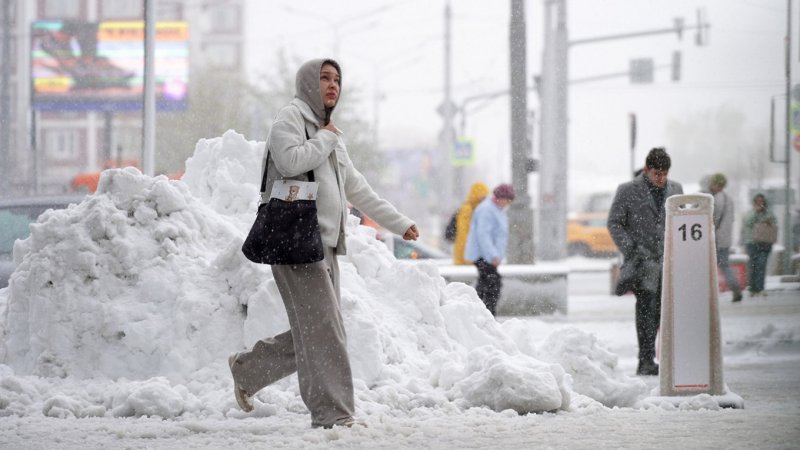
On April 27–28, 2026, Moscow was struck by an unusually heavy late-April snowstorm that broke multiple weather records, News.Az reports.
Over 21 centimeters (8.3 inches) of snow fell in a single night — the highest accumulation for this time of year since 1880.
RECOMMENDED STORIES
The storm downed over 740 trees, snapped power lines, and caused significant flight delays. Authorities issued an "orange" weather advisory, the second-highest alert level, as wind gusts reached 23 meters per second.
Record breaking snowfall hit Moscow, Russia overnight.
— Volcaholic 🌋 (@volcaholic1) April 27, 2026
Around 12cm has accumulated, the heaviest snowfall recorded on this date. An orange weather alert is in effect, with severe ice on roads, fallen trees reported, and strong winds compounding conditions.
Transport disruption… pic.twitter.com/059XnYh8xQ
The Cause: Meteorologists attribute this to an "Omega Block" over the North Atlantic. This stubborn high-pressure system acted like a roadblock, forcing a "conveyor belt" of Arctic air to bypass usual wind patterns and plunge deep into Eastern Europe.
The "confusion" isn't limited to Russia. April 2026 has seen a series of simultaneous anomalies:
The "seasonal confusion" currently gripping Moscow is only one piece of a much larger puzzle. Across the globe, various regions are experiencing simultaneous anomalies that defy traditional spring patterns. In the Western Mediterranean, particularly across Spain, Portugal, and Morocco, a relentless series of nine named storms has battered the coastline since the start of 2026. These systems have brought catastrophic rainfall and wind, leading to the displacement of over 12,400 people in Spain alone as infrastructure struggles to cope with the sheer volume of water.
Meanwhile, South America is caught between two devastating extremes. In Brazil, particularly in the Minas Gerais region, intense rainfall has triggered landslides and floods resulting in over 70 fatalities. Conversely, further south in Chile and parts of Patagonia, record-breaking heatwaves have parched the landscape, fueling severe wildfires that are consuming native forests at an alarming rate. This stark contrast within a single continent highlights how destabilized the moisture flow in the Southern Hemisphere has become.
Across the ocean, Southeast Asia and India are bracing for a precarious transition. As a strong El Niño begins to take hold, temperatures are climbing well above seasonal norms. This early-season heat is raising significant concerns regarding a potential severe drought, drawing comparisons to the devastating 2015-2016 cycle. The premature arrival of these temperatures is disrupting agricultural cycles and putting immense pressure on local water resources.
Finally, in North America, the spring season has been interrupted by powerful "heat domes." Large swaths of California and Nevada have recently recorded temperatures 11–17°C above their historical averages. These stagnant high-pressure systems trap heat near the surface, creating summer-like conditions in early spring. This premature heat not only increases the risk of early-season wildfires but also accelerates snowmelt in the mountains, complicating water management for the months ahead.
To understand why spring feels like winter in some places and summer in others, we have to look at the mechanics of the atmosphere:
1. The Wavy Jet Stream (The "Toupee" Effect)
The Polar Jet Stream is a high-altitude river of wind that usually keeps cold Arctic air trapped in the north. However, as the Arctic warms twice as fast as the rest of the planet, the temperature difference that drives these winds weakens. The Jet Stream becomes "wavy" and slow-moving.
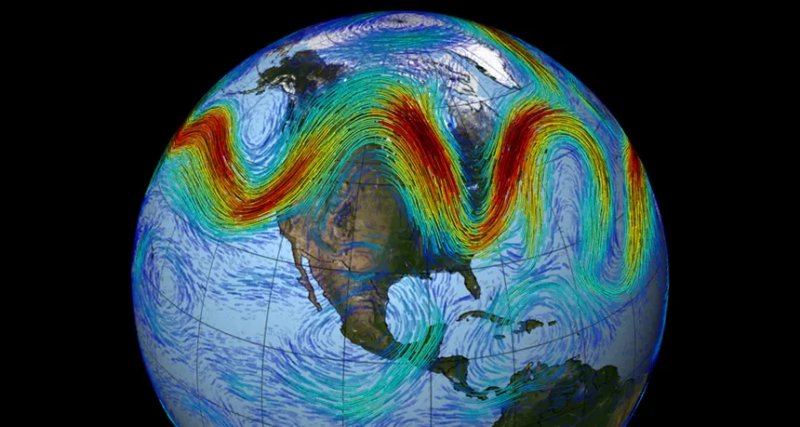
When the jet stream "dips" south, it carries Arctic air into places like Moscow or the Midwestern U.S. When it "bulges" north, it pulls tropical heat into northern regions.
2. The ENSO Transition (La Niña to El Niño)
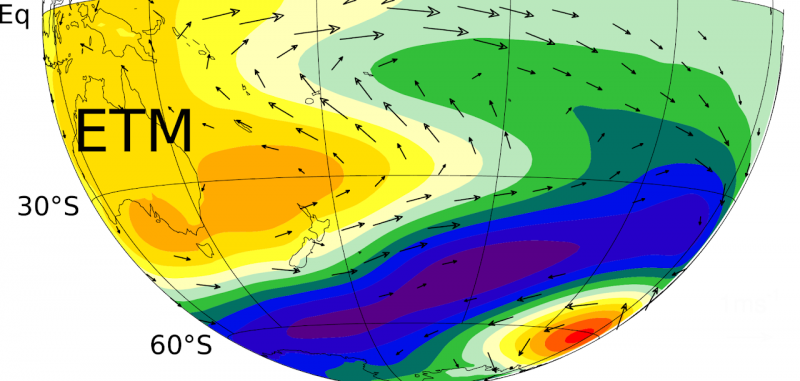
The world is currently exiting a "weak La Niña" and entering a potentially record-breaking El Niño. This transition period is notoriously volatile. As ocean temperatures in the Pacific shift, they disrupt global rain and wind patterns, often leading to the "seasonal mix-ups" we are seeing now.
3. The "Moisture Fuel" Factor
It may seem contradictory for a warming planet to produce more snow, but physics explains it: a warmer atmosphere holds more water. For every 1°C of warming, the air can hold about 7% more moisture. When a freak cold-air intrusion (like the Omega Block) hits this moisture-rich air, the resulting snowfall is much heavier and more destructive than it would have been decades ago.
The current weather anomalies are not isolated "freaks of nature." They are the result of a destabilized Jet Stream and a warming Arctic interacting with a shifting El Niño cycle. While Moscow's snow is a visible outlier, it is part of a broader global pattern where traditional seasons are becoming less predictable, and extreme weather events are becoming the "new normal."


Similar news