How did Hezbollah acquire the pagers that detonated in Lebanon?


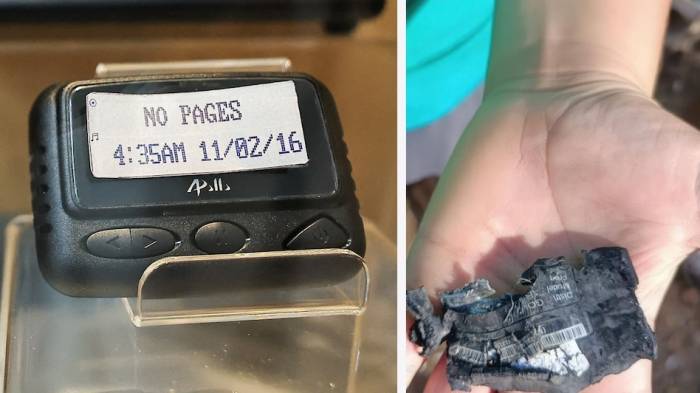
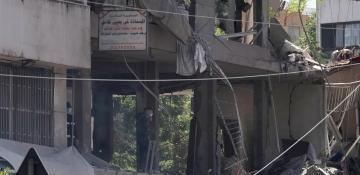
On Tuesday, hundreds of pagers linked to the armed group Hezbollah exploded in Lebanon, resulting in at least 12 deaths and approximately 2,750 injuries. Some of the pagers also detonated in Syria, causing additional injuries, News.Az reports citing Al Jazeera.
Lebanon, Hezbollah and the group’s allies have all blamed Israel. But what really happened? Many analysts believe the answer might lie in how Hezbollah got the pagers in the first place — because that might hold clues to whether the devices were tampered with to facilitate the explosions.What happened to the Hezbollah pagers in Lebanon?
About 3:30pm (12:30 GMT), hundreds of pagers all over Lebanon started exploding.
Hezbollah released a statement on Tuesday saying two of its fighters and a girl were killed as “pagers belonging to employees of various Hezbollah units and institutions exploded”.
The Iran-backed group attributed the pager blasts to Israel, which has been involved in tit-for-tat attacks with Hezbollah across the Lebanon-Israel border since the beginning of Israel’s war on Gaza.
Israel’s military has refused to comment on the explosions. Hezbollah has promised retaliation against Israel.
A Lebanese security source and another source told the Reuters news agency that the Mossad, Israel’s spy agency, planted explosives in 5,000 pagers that Hezbollah had ordered months before the explosions. The sources said a code was simultaneously sent to 3,000 of the pagers, triggering the explosions.
How did the Hezbollah pagers explode?
While the exact mechanism used for the pager explosions is unclear at the moment, some experts speculate that the radio system that the pagers rely on was hacked, possibly through a doctored code. The batteries of the pagers could have been triggered to overheat, leading to a process called thermal runaway, which in turn caused the pager batteries to explode.
Some analysts, including Hamish de Bretton-Gordon, a former British army officer and chemical weapons expert, have speculated that the pagers may also have been tampered with along the supply chain and wired to explode on command.
But Brussels-based military and political analyst Elijah Magnier told Al Jazeera his sources close to the ground in Lebanon had shared details from initial investigations carried out by Hezbollah on pagers that did not explode.
Those investigations suggest that Israel placed 1 to 3 grammes (0.04 to 0.11oz) of pentaerythritol tetranitrate (PETN), a powerful explosive, in each device.
How were explosives placed in the pagers?
Lebanon faces a range of sanctions from the United States, European Union and their Western partners. In addition, the US, United Kingdom and their allies, such as Japan, list Hezbollah among “terrorist” organisations.
That means that companies both registered in these domains or trading with these countries are wary of direct transactions, especially in technology, with Hezbollah — and often with Lebanon at all.
In this case, Magnier said, the pagers procured by Hezbollah were with a third party and they sat at a port for three months, awaiting clearances, before they were finally moved to the Lebanese group.
Hezbollah suspects that it was during those three months that Israel managed to plant explosives in the devices, the military analyst said.
He added that Hezbollah’s investigation so far shows that metal balls were placed around the pager batteries, allowing the explosive force to propel metal fragments outward, “significantly increasing the lethality of the blast”. He added that this was also done during the three months when the shipment was on hold.


Similar news