How easing tensions in the Strait of Hormuz will affect oil prices


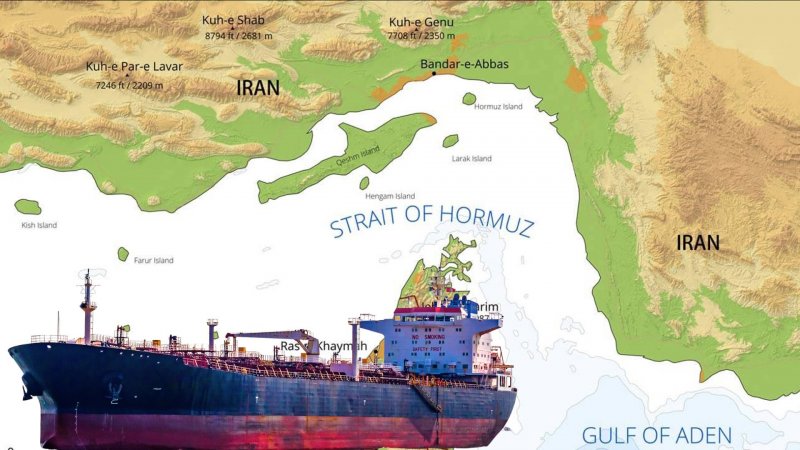
The global energy market experienced a sharp shift as oil prices fell significantly following signals from Iran that commercial shipping would resume through the strategically critical Strait of Hormuz.
The announcement came after weeks of disruption triggered by escalating tensions linked to the US-Israeli operation that began on February 28. Markets reacted swiftly, with crude benchmarks declining and U.S. equities surging to record levels.
RECOMMENDED STORIES
Brent crude dropped to around 90.38 dollars per barrel, marking a decline of more than nine percent, while US oil prices also fell below the 90-dollar threshold. The development reflects both the sensitivity of global oil supply chains to geopolitical events and the rapid pace at which markets adjust to perceived risk reduction.
Below is a detailed FAQ explainer that examines the causes, implications, and broader geopolitical and economic consequences of this development.
What triggered the recent drop in oil prices
The immediate cause of the decline in oil prices was Iran’s indication that it would allow commercial traffic to resume through the Strait of Hormuz. For weeks, uncertainty surrounding the safety of the waterway had driven prices upward due to fears of supply disruptions.
When markets received confirmation that shipments could continue, the geopolitical risk premium embedded in oil prices began to unwind. Traders quickly reassessed supply risks, leading to a sharp selloff in crude futures.
Why is the Strait of Hormuz so important to global energy markets
The Strait of Hormuz is one of the most critical chokepoints in global energy trade. Approximately one fifth of the world’s crude oil supply passes through this narrow passage connecting the Persian Gulf to the Arabian Sea.
Any disruption to traffic in this corridor can significantly impact global oil availability. Even short term interruptions can lead to price spikes, increased volatility, and supply chain uncertainty across multiple continents.
Because of this, the strait is closely monitored by governments, energy companies, and financial markets alike.
What caused the disruption in the Strait of Hormuz
The disruption followed heightened tensions linked to a US Israeli military offensive that began on February 28. In response, Iran restricted or interfered with commercial shipping in the region, raising concerns about potential escalation into a broader conflict.
This led to delays, rerouting of shipments, and increased insurance costs for tankers operating in the area. The uncertainty contributed to rising oil prices during the period of disruption.
How did markets react to the reopening of the strait
Markets reacted quickly and decisively. Oil prices dropped as traders adjusted expectations for supply continuity. At the same time, stock markets, particularly in the United States, surged to new highs.
The S and P 500 index surpassed 7100 points for the first time, reflecting increased investor confidence. Lower energy prices are often seen as supportive for economic growth, as they reduce costs for businesses and consumers.
Why do lower oil prices boost stock markets
Lower oil prices can act as a stimulus for the broader economy. When energy costs decline, transportation, manufacturing, and logistics expenses are reduced. This can lead to higher profit margins for companies and increased consumer spending.
Investors often interpret falling oil prices as a sign of reduced inflationary pressure, which can influence central bank policy and interest rate expectations. This combination tends to support equity markets.
What is the geopolitical significance of the US and Iran positions
The signaling from both the United States and Iran regarding the reopening of the Strait of Hormuz suggests a temporary de escalation in tensions. While not necessarily indicating a long term resolution, it reflects a mutual interest in maintaining stability in global energy markets.
For Iran, allowing traffic to resume may be aimed at avoiding further economic isolation or military escalation. For the United States, ensuring the free flow of oil is a strategic priority tied to global economic stability.
Does this mean the conflict is over
No, the reopening of the Strait of Hormuz does not necessarily signal the end of tensions. It indicates a tactical adjustment rather than a comprehensive resolution.
Geopolitical risks in the region remain elevated, and future developments could once again disrupt shipping or impact oil prices. Markets will continue to monitor diplomatic and military signals closely.
How do oil price movements affect global economies
Oil prices play a central role in the global economy. High prices can lead to increased inflation, reduced consumer spending, and slower economic growth. Conversely, lower prices can ease inflationary pressures and support economic expansion.
For oil importing countries, lower prices are generally beneficial, while oil exporting nations may experience reduced revenues and fiscal pressures.
Which countries are most affected by changes in the Strait of Hormuz
Countries in the Persian Gulf region, including major oil producers, are directly affected by disruptions in the strait. In addition, major importers such as China, India, Japan, and European nations rely heavily on oil transported through this route.
Any disruption can have ripple effects across global supply chains, impacting energy security and economic stability.
What role do energy markets play in geopolitical conflicts
Energy markets are deeply intertwined with geopolitics. Control over resources, transportation routes, and pricing mechanisms often influences international relations and strategic decisions.
Conflicts in energy rich regions or along key transit routes can have immediate and far reaching economic consequences. As a result, energy security is a central concern for many governments.
How do traders respond to geopolitical risk
Traders incorporate geopolitical risk into pricing through what is often referred to as a risk premium. When tensions rise, prices increase to reflect the possibility of supply disruptions.
When risks diminish, this premium is removed, leading to price declines. This dynamic explains the sharp movements observed in oil markets following geopolitical developments.
What is the outlook for oil prices in the near term
The near term outlook for oil prices will depend on several factors, including geopolitical developments, global demand trends, and production decisions by major oil producers.
If tensions remain contained and supply flows continue uninterrupted, prices may stabilize or remain under pressure. However, any renewed disruption could quickly reverse the current trend.
How do energy companies adapt to such volatility
Energy companies use a range of strategies to manage volatility, including hedging, diversification, and operational flexibility. They also monitor geopolitical developments closely to adjust production and investment decisions.
In periods of uncertainty, companies may delay projects or shift focus to more stable regions.
What are the implications for consumers
For consumers, lower oil prices can translate into reduced fuel costs and lower prices for goods and services that rely on transportation.
This can improve household budgets and increase disposable income, potentially boosting overall economic activity.
How do central banks respond to changes in oil prices
Central banks closely monitor oil prices as part of their assessment of inflation and economic conditions. Falling oil prices can reduce inflationary pressures, potentially influencing interest rate decisions.
In some cases, lower energy costs may provide central banks with greater flexibility to support economic growth.
What does this mean for global energy security
The reopening of the Strait of Hormuz highlights both the resilience and vulnerability of global energy systems. While supply disruptions can occur quickly, coordinated actions and strategic decisions can restore stability.
However, the situation also underscores the importance of diversification and investment in alternative energy sources to reduce dependence on critical chokepoints.
Are alternative routes available for oil transport
While there are alternative routes and pipelines, the capacity of these options is limited compared to the volume that passes through the Strait of Hormuz.
As a result, the strait remains a critical artery for global oil trade, and its stability is essential for maintaining supply continuity.
How does this event influence long term energy strategies
Events like this reinforce the importance of energy diversification, including investments in renewable energy, alternative transport routes, and strategic reserves.
Governments and companies may use such developments as a catalyst to accelerate transitions toward more resilient energy systems.
What are the broader implications for global markets
Beyond oil, the reopening of the strait has broader implications for financial markets. Reduced geopolitical risk can boost investor confidence, support equity markets, and stabilize currency movements.
At the same time, volatility in energy markets can influence sectors ranging from transportation to manufacturing.
Conclusion
The sharp decline in oil prices following Iran’s announcement and the reopening of the Strait of Hormuz illustrates the profound impact of geopolitics on global markets. While the immediate reaction has been positive for equities and consumers, underlying tensions remain a source of uncertainty.
The situation serves as a reminder of the interconnected nature of energy, economics, and international relations. As markets continue to navigate this complex landscape, developments in key strategic regions will remain a central driver of global economic trends.
By Faig Mahmudov


Similar news