How events in the Middle East are affecting Uzbekistan


Editor’s note: Moses Becker is a special political commentator for News.Az. He holds a PhD in political science and specialises in interethnic and interreligious relations. The views expressed in this article are the author’s own and do not necessarily reflect the position of News.Az.
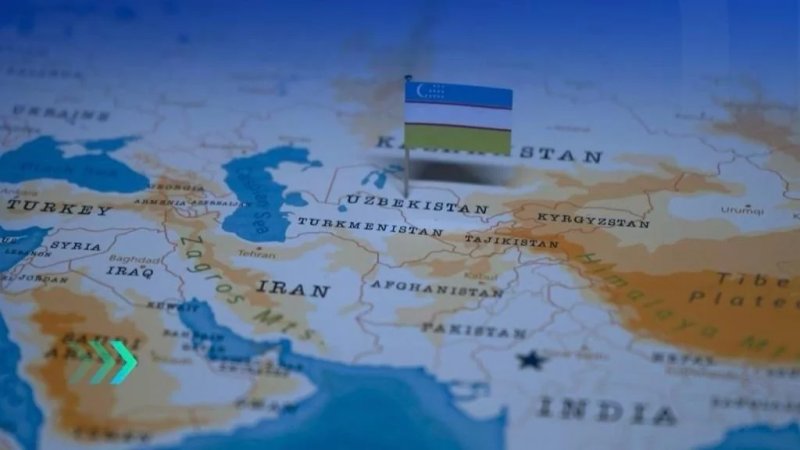
It has long been recognised that the world is interconnected, and no one can remain isolated from ongoing events. This applies equally to the economy, environmental disasters and military conflicts. The escalation of tensions around Iran and neighbouring countries has directly and indirectly affected the interests of Uzbekistan and other Central Asian states.
RECOMMENDED STORIES
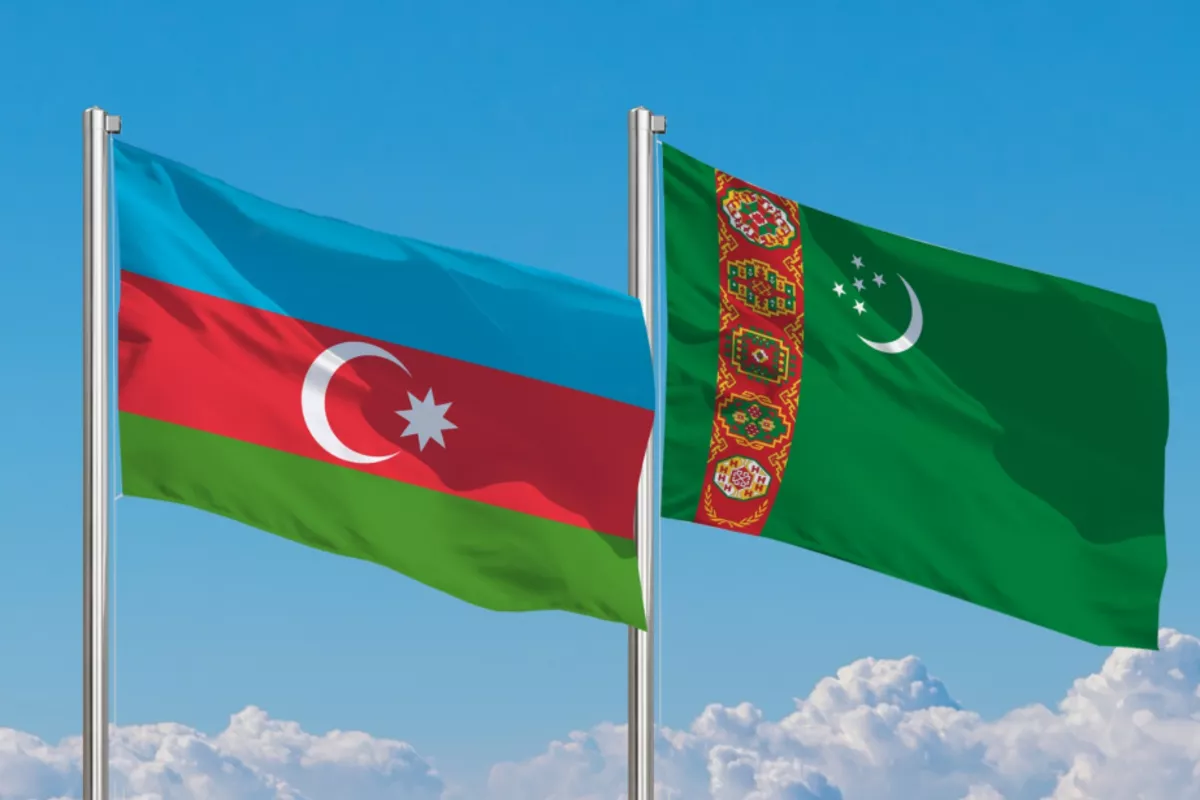
The first impact was felt by migrant workers who, for demographic and economic reasons, are compelled to earn a living far from their homeland. As Islam predominates in both the Middle East and Uzbekistan, many found employment opportunities in the region. However, with the outbreak and expansion of the conflict, many were forced to return home. According to Uzbekistan’s Foreign Ministry, as of March 10, a total of 25,047 citizens had been repatriated from the Middle East. The vast majority came from Saudi Arabia (21,017) and the United Arab Emirates (3,555), as well as Qatar (394), Iran (47), Bahrain (27) and Oman (7). Evacuations were carried out mainly by air, while land corridors for the departure of labour migrants from Iran were provided by Azerbaijan and Turkmenistan.
Source: TREND
Behind these figures lie the lives and well-being of thousands of families who have lost their sources of income. In addition, the conflict around Iran has led to rising oil prices, intensifying inflationary pressures.
Historically, Iran was considered a stable and reliable transit country, which is no longer the case under current conditions. Previously, it provided a route for transporting goods from Uzbekistan via the port of Bandar Abbas. This option is now unavailable.
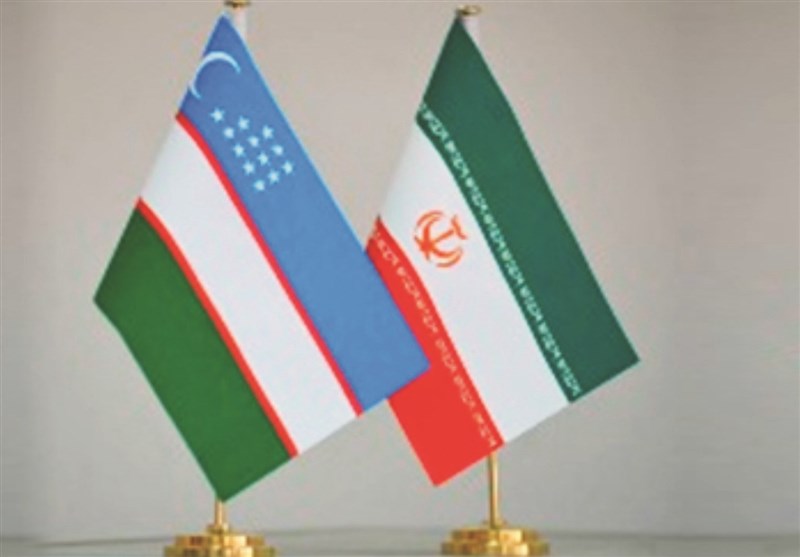
Before the conflict, Iran was among the top 20 trading partners of Tashkent. It borders 15 countries and has access to the Indian Ocean. Relations intensified after 2018, particularly in trade and transport logistics. In addition to land corridors, Iran has several ports and is directly connected via the Caspian Sea with Russia, Azerbaijan and Central Asian states.
At India’s initiative, port of Chabahar — Iran’s only deep-water ocean port — has been developing as a logistics hub. Another key port for Uzbekistan has been Bandar Abbas, through which most transit cargo, including hydrocarbons and petroleum products that account for 90 percent of the total volume, is transported. When Uzbekistan began exporting cotton, Iran provided transit access, enabling the product to reach global markets.
At present, all these strategically important ports for Uzbekistan are temporarily closed.
The government has long pursued a policy of diversifying transport and logistics routes, aiming to avoid dependence on a single corridor and to expand available options. Iran’s role in this regard is difficult to overstate, as it is involved in both the North–South and East–West transport corridors. Uzbekistan plans to double exports of transport services by 2030 by strengthening its transit role, with particular focus on the southern corridor linking East to West and ultimately reaching European Union markets.
In terms of Iran’s share in Uzbekistan’s foreign trade, total trade turnover recently stood at $81.2 billion, with exports at $34 billion and imports at $47 billion. Trade with Iran amounted to about $500 million, less than one percent of the total. Uzbekistan exports goods worth $157.4 million to Iran. The key value of Iran for Tashkent lies in its role as a major transit route for exporting textiles and cotton fibre to global markets, with around 30 percent of such exports passing through Iran.
In terms of imports, Iran is among the global leaders in oil and gas reserves and exports, but its export range also includes ferrous metallurgy products and consumer goods derived from petroleum. Bilateral trade also includes agricultural products, construction materials, fertilisers and feed.
Source: tasnimnews
In 2025, 1.2 million tonnes of cargo were transported to Iran and through its territory. Trade with Türkiye is also conducted via Iranian routes. For Uzbekistan, Iran is not only a market but also a key logistical link to many countries.
However, due to military activity in the Persian Gulf, the Strait of Hormuz was closed on March 1. As a result, operations at the port of Bandar Abbas were temporarily suspended, negatively affecting Uzbekistan’s exports and imports.
Given its geography, Iran hosts thousands of kilometres of road and rail networks used by neighbouring countries. As a result of the conflict, insurance companies have raised premiums on transported goods, increasing costs. Logistics operators now face a choice: accept higher risks and costs or seek alternative routes.
This is why Uzbekistan has begun searching for new logistical options. One possibility is a road route to Chinese ports via Kyrgyzstan. Northern corridors through Russia also exist, but they are longer and less efficient for exports.
Uzbekistan’s location in the heart of Central Asia means it is far from maritime routes. The shortest path remains via Iran, with its land routes and seaports. As a result, the conflict is having a strongly negative impact on the country’s economy.
In addition, the uncertainty of the situation has prompted the Uzbek government to place greater emphasis on strengthening defence and national security. The defence minister has briefed the government on measures to enhance combat readiness, improve operational training and equip units with modern weapons and equipment, including the development of military infrastructure.
(If you possess specialized knowledge and wish to contribute, please reach out to us at opinions@news.az).


Similar news