How the Global South is reshaping the future of urban development


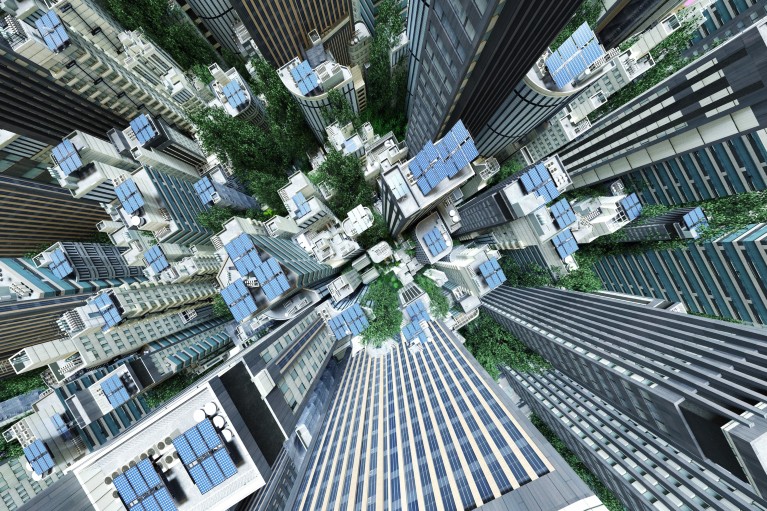
For much of modern history, global urban development models were largely shaped by Western industrialized countries.
Major cities in Europe and North America often served as the primary reference points for urban planning, infrastructure systems and economic modernization. Today, however, the center of urban transformation is increasingly shifting toward the Global South.
RECOMMENDED STORIES
Cities across Asia, Africa, the Middle East, Latin America and parts of the South Caucasus are now experiencing some of the fastest urban growth in the world. These regions are becoming laboratories for new approaches to housing, infrastructure, sustainability, digital governance and climate adaptation.
At the same time, developing countries face some of the most serious urban challenges globally, including rapid population growth, housing shortages, infrastructure deficits, climate vulnerability and social inequality. The solutions emerging from these regions are therefore attracting growing international attention.
This shift has become one of the defining conversations at World Urban Forum 13, where governments and urban experts are discussing how the Global South is increasingly shaping the future direction of urban development itself.
The broader debate reflects a major geopolitical and economic transformation: the cities driving global urban growth in the 21st century are increasingly located outside the traditional Western world.
What does “Global South” actually mean?
The term “Global South” generally refers to developing and emerging economies across:
- Asia
- Africa
- Latin America
- The Middle East
- Parts of Oceania
- Some post Soviet and transitional economies
The concept is not purely geographical. Instead, it reflects economic development patterns, historical inequalities and differing positions within the global economy.
Many Global South countries experienced colonialism, uneven industrialization and infrastructure gaps that continue influencing urban development today.
However, the term also increasingly represents rising economic influence, demographic growth and geopolitical importance.
Urbanization trends demonstrate this transformation clearly.
Most future global urban population growth is expected to occur in cities located in the Global South.
Why is urban growth shifting toward the Global South?
Several major demographic and economic trends are driving this shift.
Populations in many developing countries remain younger and continue growing rapidly. At the same time, rural to urban migration is accelerating as people move to cities seeking:
- Employment
- Education
- Healthcare
- Better living standards
- Economic opportunity
As a result, many of the world’s fastest growing cities are now located in:
- South Asia
- Sub Saharan Africa
- Southeast Asia
- The Middle East
This urban expansion is occurring at an unprecedented scale.
Some cities are absorbing millions of new residents within relatively short periods, placing enormous pressure on:
- Housing
- Transportation
- Water systems
- Electricity networks
- Healthcare infrastructure
- Waste management
- Public services
At the same time, these rapidly developing urban centers are becoming engines of economic growth, innovation and geopolitical influence.
Why are Global South cities becoming increasingly important globally?
The economic importance of Global South cities is rising rapidly.
Many developing economies are becoming central hubs for:
- Manufacturing
- Logistics
- Technology
- Energy
- Financial services
- Digital innovation
Urban areas increasingly drive national economic output and regional trade connectivity.
Large infrastructure projects such as ports, railways, industrial corridors and digital networks are transforming cities into strategic international hubs.
This is particularly visible along emerging trade routes linking Asia, the Middle East, the South Caucasus and Europe.
Cities are therefore becoming major geopolitical actors themselves.
Urban development is no longer only a domestic policy issue. It increasingly influences:
- Global trade
- Investment flows
- Regional integration
- Energy security
- Diplomatic influence
This explains why international urban forums are attracting growing geopolitical significance.
What urban challenges does the Global South face?
Despite rapid growth, many Global South cities face serious structural challenges.
One of the biggest issues is infrastructure pressure.
Urban expansion often occurs faster than governments can build roads, housing, water systems and public transportation networks.
As a result, many cities struggle with:
- Traffic congestion
- Informal settlements
- Housing shortages
- Pollution
- Limited public services
- Energy instability
Climate vulnerability is another major concern.
Many Global South cities are located in regions highly exposed to:
- Extreme heat
- Flooding
- Water scarcity
- Rising sea levels
- Storms
- Droughts
At the same time, financial resources for climate adaptation are often more limited than in wealthier countries.
Social inequality also remains a major urban challenge.
Rapid economic growth can create highly unequal cities where modern business districts exist alongside informal settlements lacking basic infrastructure.
Urban governance systems are therefore under significant pressure to balance growth with inclusion.
How are Global South cities responding differently?
Despite these challenges, many cities in the Global South are developing innovative urban solutions adapted to local realities.
In some cases, these cities are avoiding older development mistakes made by heavily industrialized Western urban systems.
For example, several developing cities are investing directly in:
- Renewable energy
- Smart infrastructure
- Public transportation
- Mixed use urban planning
- Digital governance
- Climate adaptive construction
Because some infrastructure systems are still developing, governments sometimes have greater flexibility to adopt newer technologies more quickly.
Mobile technology adoption is one example.
In several developing regions, digital payment systems, mobile public services and smart urban applications expanded rapidly without requiring older legacy infrastructure.
Urban innovation is therefore increasingly emerging from developing economies rather than only from traditional global centers.
How is climate change affecting Global South cities?
Climate change represents one of the greatest threats facing urban areas in the Global South.
Many rapidly growing cities are highly exposed to environmental risks while lacking sufficient infrastructure resilience.
Heatwaves, flooding and water shortages are already affecting millions of urban residents globally.
Informal settlements are often especially vulnerable because they may lack:
- Proper drainage systems
- Stable electricity
- Safe construction
- Reliable water access
Urban climate adaptation has therefore become an urgent priority.
Cities are increasingly investing in:
- Flood protection infrastructure
- Green urban spaces
- Heat resistant design
- Sustainable transportation
- Water conservation systems
- Renewable energy
However, financing remains a major challenge.
Developing countries frequently argue that wealthier nations should provide greater climate financing support because industrialized economies historically contributed more to global emissions.
Climate justice has therefore become closely linked to urban development debates.
What role does technology play in Global South urbanization?
Technology is becoming increasingly important for developing urban systems.
Smart city technologies are helping some cities improve:
- Traffic management
- Public transportation
- Utility monitoring
- Public safety
- Digital governance
- Environmental management
Artificial intelligence and data analytics are also supporting urban planning decisions.
Some developing cities are using digital systems to expand public services more efficiently despite limited resources.
Digital governance platforms may help reduce bureaucracy and improve access to state services.
At the same time, digital inequality remains a challenge.
Unequal internet access and technological infrastructure gaps may limit the benefits of smart city systems for poorer communities.
Cybersecurity and data governance are also emerging concerns as urban systems become increasingly digitized.
Why is affordable housing such a major issue?
Housing shortages are among the most visible urban problems across many Global South cities.
Rapid population growth and migration have increased demand for housing far faster than supply in many regions.
This contributes to the expansion of informal settlements and rising housing costs.
Governments face difficult choices:
- Expanding affordable housing
- Preventing uncontrolled urban sprawl
- Improving infrastructure
- Protecting environmental sustainability
Some cities are experimenting with:
- Social housing programs
- Mixed income developments
- Modular housing
- Transit oriented urban planning
However, financing affordable housing at large scale remains difficult in many developing economies.
Urban planners increasingly emphasize that housing policy must be integrated with transportation, employment and public services.
How are infrastructure corridors changing cities?
Major infrastructure corridors are reshaping urban development across many Global South regions.
New railways, ports, highways and logistics hubs are creating entirely new economic zones and urban centers.
Projects linked to:
- Regional trade routes
- Energy infrastructure
- Digital connectivity
- Industrial development
are transforming the geography of economic activity.
This is particularly visible in Eurasian connectivity initiatives linking Central Asia, the South Caucasus, the Middle East and Europe.
Cities located along these routes are gaining strategic importance as transportation and logistics hubs.
Urban development is therefore becoming increasingly connected to broader geopolitical and economic integration strategies.
Why are local identities becoming important in urban design?
One criticism of earlier globalization models was that many cities became visually similar, prioritizing generic skyscrapers and commercial districts over local identity.
Today, many Global South cities are attempting to balance modernization with cultural preservation.
Urban planners increasingly emphasize:
- Historical heritage
- Traditional architecture
- Public culture
- Local climate adaptation
- Indigenous urban knowledge
This reflects a growing understanding that successful cities must remain culturally rooted rather than simply copying foreign models.
Some cities are integrating traditional architectural principles with modern sustainability technologies.
This approach is becoming increasingly important in discussions about identity, tourism and social cohesion.
How is the Global South influencing international urban policy?
Global South countries are becoming more active participants in international urban governance discussions.
Rather than simply adopting external development models, many governments now seek greater influence over:
- Climate financing
- Urban investment priorities
- Infrastructure development
- Technology access
- Sustainable development frameworks
This shift reflects broader geopolitical changes in the international system.
Emerging economies increasingly view urbanization as central to national development and international competitiveness.
As a result, forums such as WUF13 are becoming platforms not only for technical urban discussions, but also for geopolitical dialogue.
Why is Baku significant in this context?
Hosting World Urban Forum 13 highlights the growing role of cities outside traditional Western urban centers in shaping global urban conversations.
Baku occupies a strategic geographic position connecting:
- Europe
- Central Asia
- The South Caucasus
- The Middle East
The city also reflects broader themes of:
- Rapid urban modernization
- Energy driven economic transformation
- Infrastructure development
- Post Soviet urban transition
- Regional connectivity
For many participants, the forum demonstrates how emerging urban centers are increasingly influencing international development discussions.
Can the Global South avoid past urban mistakes?
One of the major questions facing developing cities is whether they can avoid repeating problems experienced by older industrialized urban systems.
These problems include:
- Car dependent sprawl
- Environmental degradation
- Severe inequality
- Unsustainable infrastructure
- Social segregation
Some experts believe developing cities have opportunities to “leapfrog” older models by adopting:
- Renewable energy
- Smart technologies
- Sustainable transportation
- Mixed use planning
- Climate resilient infrastructure
However, rapid population growth and financial constraints make implementation difficult.
The challenge is balancing speed of development with long term sustainability.
What role does youth play in urban transformation?
Global South populations are generally younger than those in many industrialized countries.
Young people therefore play a major role in shaping future urban economies, politics and culture.
Youth driven innovation is increasingly visible in:
- Technology sectors
- Urban entrepreneurship
- Creative industries
- Climate activism
- Community development
At the same time, youth unemployment and housing affordability remain major concerns in many rapidly growing cities.
Urban development policies increasingly focus on creating opportunities for younger populations through:
- Education
- Digital infrastructure
- Public transportation
- Affordable housing
- Startup ecosystems
The future competitiveness of many cities may depend heavily on whether they can retain and support young talent.
What could the future urban map of the world look like?
The global urban balance is likely to continue shifting toward the Global South over the coming decades.
Future economic and demographic growth may increasingly concentrate in:
- African megacities
- Asian industrial corridors
- Middle Eastern logistics hubs
- Eurasian connectivity centers
Cities in these regions may become major centers of:
- Innovation
- Manufacturing
- Finance
- Energy
- Technology
- Cultural influence
This transformation may also reshape global political dynamics.
Urban development is increasingly becoming tied to strategic competition, climate policy and economic influence.
Why does this transformation matter globally?
The future of urbanization will largely be determined by what happens in the Global South.
The success or failure of rapidly growing cities will affect:
- Global economic growth
- Climate outcomes
- Migration trends
- Energy demand
- Political stability
- Technological development
Urban challenges in developing regions are therefore not isolated regional issues.
They are central to the future of the global system itself.
The discussions taking place at World Urban Forum 13 demonstrate that the Global South is no longer simply adapting to global urban trends created elsewhere.
Increasingly, it is becoming the place where the future of urban civilization itself is being shaped.
By Faig Mahmudov


Similar news