How the Israel–Gaza war changed over the past 24 hours


Fighting, airstrikes, hostage developments, humanitarian concerns, and diplomatic manoeuvring have defined the past 24 hours of the Israel–Gaza war, underscoring how deeply entrenched the conflict has become and how far the region remains from a comprehensive ceasefire agreement, News.az reports.
On the ground in Gaza, Israeli forces continued operations across several sectors of the territory, with the most intense activity reported in central and southern areas. Israeli military statements over the past day emphasized raids targeting what they described as Hamas positions, tunnel infrastructure, and weapons storage facilities. Armored units, infantry, and engineering teams continued clearing operations in dense urban terrain, where Israeli commanders say militants are embedded inside civilian neighbourhoods, complicating ground combat and making progress slow and costly.
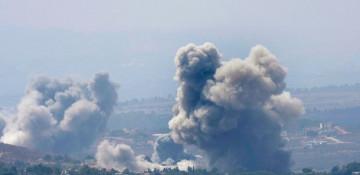
In the southern Gaza Strip, areas around Khan Younis and Rafah again experienced air and artillery strikes. Israeli officials said the objective remains the dismantling of organized Hamas military capability, including its command networks and remaining battalions believed to be operating in the south. They also reiterated that Hamas continues to fire rockets toward Israel, although the frequency has declined compared to earlier phases of the war. Warning sirens were reported in multiple Israeli communities near the Gaza perimeter across the last 24 hours, reinforcing the sense among Israeli residents that the conflict still poses a direct threat.
In central Gaza, Israeli units continued what they describe as search-and-destroy missions against tunnel shafts and militant staging points. The Israel Defense Forces reported that their troops are encountering complex underground structures, booby traps, improvised explosive devices, and ambush tactics. Military analysts note that this environment favors smaller, mobile cells of fighters, allowing Hamas to preserve parts of its force even in the face of sustained Israeli pressure.
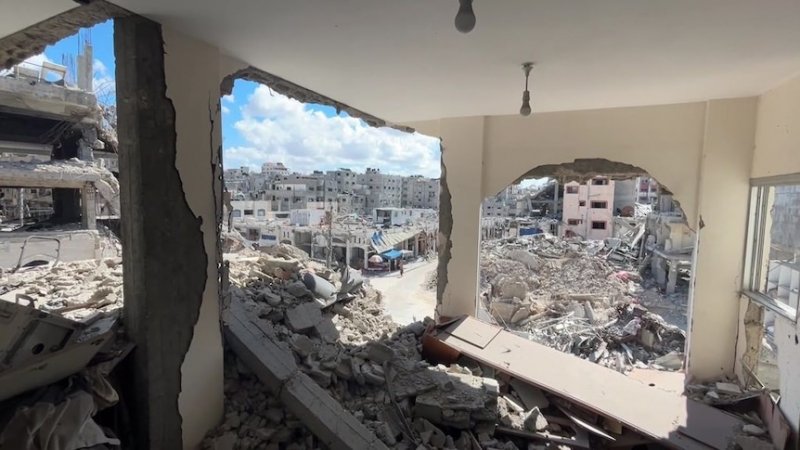
At the same time, the humanitarian situation inside Gaza remains a dominant theme in the past 24 hours. Aid organizations reported that shortages of food, fuel, clean water, and medical supplies continue across most of the territory. Civilian shelters, hospitals, and temporary camps remain overcrowded, with winter conditions and sanitation challenges deepening health concerns. International organizations again called for sustained humanitarian corridors and greater predictability in aid delivery.
Israeli authorities maintain that they are allowing aid trucks to enter through controlled crossings, but argue that distribution inside Gaza is being disrupted by insecurity, looting, and the activities of armed groups. Palestinian officials and international aid workers counter that the scale of aid entering the enclave remains far below needs, warning of the risk of severe humanitarian deterioration if current trends continue.
The status of the hostages taken into Gaza on 7 October continues to be one of the most emotionally and politically sensitive issues in Israel. Over the past 24 hours, Israeli leaders reiterated that the safe return of all hostages remains a central war objective. Families of the hostages continue to organize protests and vigils demanding that the government place the highest possible priority on negotiations that could secure releases. The Israel Defense Forces have said there is credible intelligence indicating that some hostages remain alive in Gaza, although their precise locations and conditions are unknown.
This uncertainty continues to shape Israeli public opinion and policy debates. Some political voices argue that only increased military pressure will compel Hamas to make concessions regarding the hostages, while others insist that ceasefire-based negotiations remain the only realistic path to securing releases. The last 24 hours included renewed public appeals from hostage families for greater transparency, urgency, and international mediation.
Diplomatic efforts also remained active throughout the day. Regional and international stakeholders — including the United States, Qatar, Egypt, and European governments — held further consultations on possible conditions for a humanitarian pause or more structured ceasefire agreement. Mediators continue to explore frameworks that would involve hostage releases, prisoner exchanges, humanitarian guarantees, and potential security arrangements for Gaza’s future governance. However, significant gaps remain between Israeli and Hamas negotiating positions.
Israeli leaders have consistently stated over the past 24 hours that any long-term ceasefire framework must include guarantees that Hamas will not regain military or administrative control over Gaza. They argue that the security environment that existed prior to 7 October is unacceptable and must not be restored. Hamas, meanwhile, has framed permanent ceasefire terms around the withdrawal of Israeli forces and broader political concessions. The result is a diplomatic environment characterized by ongoing talks, high stakes, and limited immediate breakthroughs.
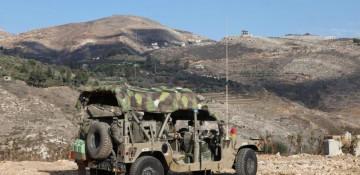
The conflict’s regional dimension continues to evolve as well. The past day saw renewed reports of cross-border fire between Israeli forces and Hezbollah along the Israel–Lebanon frontier. Exchanges of strikes, drones, and artillery fire have now become a near-daily occurrence. While neither side appears to seek full-scale war, the risk of escalation persists, and tens of thousands of civilians on both sides of the border remain displaced. Israeli officials again warned that patience is not unlimited and that northern security must eventually be restored, whether diplomatically or militarily.
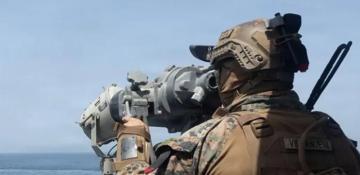
Meanwhile, developments in the Red Sea also remained linked to the wider regional fallout of the war. Yemen’s Houthi movement continued its campaign of attacks targeting commercial shipping they claim is linked to Israel or Western allies. These actions have prompted naval deployments and international convoys designed to protect maritime traffic. Over the last 24 hours, Western officials repeated warnings that such attacks threaten global trade, economic stability, and maritime security. The broader impression is that the Israel–Gaza conflict now touches multiple strategic theatres far beyond Gaza itself.
Inside Israel, political debate about the conduct and direction of the war continued. Prime Minister Benjamin Netanyahu reiterated that the campaign will continue until Hamas is dismantled as a governing and military entity. Government officials framed the conflict as a long-term security struggle, arguing that ending the war prematurely could embolden hostile actors across the region. Critics from within Israel’s political and security establishment have questioned aspects of strategy and planning, particularly regarding the future of Gaza after the war and Israel’s relationship with its Western allies.
The United States again played a prominent role in the diplomatic space over the last 24 hours. U.S. officials emphasized support for Israel’s right to security while also increasing pressure for more protections for civilians and humanitarian access. Washington continues to walk a delicate line: providing military and diplomatic backing to Israel while seeking to prevent escalation and maintain international support. Analysts note that domestic U.S. political dynamics increasingly intersect with Middle East policy decisions as the conflict endures.
The humanitarian and psychological toll on civilians on both sides also remained a central narrative. In Gaza, displaced families continue to move from one temporary shelter to another in search of safety. In Israel, residents of communities near Gaza and along the Lebanese border remain displaced from their homes, with uncertainty over when — or whether — they will be able to return. Across both societies, trauma, grief, fear, and political polarization are becoming defining features of daily life.
The past 24 hours have also seen renewed discussion about what Gaza’s post-war governance might look like. Various proposals have circulated internationally, including international administration, Arab-led peacekeeping roles, or restructured Palestinian Authority involvement. However, Israeli leaders have stated that they will not accept Hamas involvement in future governance structures, and they reject scenarios they believe could compromise Israeli security control. Palestinian leaders insist that any future arrangement must move toward a political horizon that includes statehood. These unresolved strategic questions hover over every military and humanitarian decision taking place today.
Military analysts reviewing the last day’s developments assess that while Israeli forces continue to degrade Hamas’ operational networks, the group remains capable of sustained resistance across multiple areas of Gaza. The urban terrain, extensive tunnel system, and presence of civilians limit the ability of conventional military forces to achieve decisive battlefield results quickly. This suggests that the conflict may remain prolonged unless a political framework emerges that redefines end-state objectives and responsibilities.
In the short term, several key questions arise from the pattern of the last 24 hours. First, can humanitarian access be increased at a pace sufficient to prevent a deeper civilian crisis, particularly as winter conditions worsen? Second, will diplomatic mediation efforts succeed in establishing a sustained humanitarian pause linked to hostage releases? Third, can regional actors prevent further escalation along the Lebanese border or in maritime theatres? And finally, what political framework — if any — can reconcile Israel’s security demands with Palestinian governance and humanitarian needs?
For now, the Israel–Gaza war remains locked in a painful stalemate. The fighting continues, hostages remain in captivity, civilians suffer grave humanitarian pressures, and diplomatic talks proceed without decisive breakthroughs. Each 24-hour cycle brings new tactical developments but leaves the core strategic issues unresolved. The trajectory of the conflict will continue to depend on military realities on the ground, the humanitarian situation, domestic politics in Israel and Palestine, and the alignment — or divergence — of international actors seeking to shape the region’s future.


Similar news