How to spot deepfake videos created by artificial intelligence


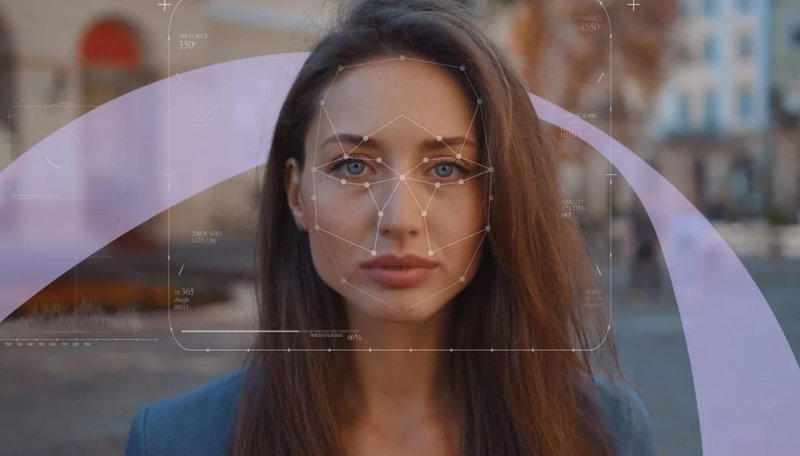
Artificial intelligence is transforming the way digital content is created, edited, and distributed. Among the most controversial developments is the rise of deepfake technology—a powerful form of AI that can generate highly realistic videos, images, and audio recordings of people saying or doing things they never actually said or did.
What began as an experimental technology has evolved into a sophisticated tool capable of producing convincing fake content that can deceive millions of viewers. Deepfakes have been used in entertainment, marketing, education, and filmmaking, but they have also become a growing concern in politics, cybersecurity, journalism, and public trust, News.az reports.
As AI tools become more accessible, experts warn that distinguishing between real and fake content will become increasingly difficult. This raises an important question: How can ordinary people identify deepfake videos before they spread misinformation or cause harm?
The answer lies in understanding how deepfakes are created, recognizing common warning signs, and adopting a more critical approach to online content.
What Is a Deepfake?
A deepfake is a synthetic piece of media created using artificial intelligence and machine learning technologies. The term combines "deep learning" and "fake."
AI systems are trained on thousands or even millions of images, videos, and audio samples of a person. Using this data, algorithms learn facial expressions, voice patterns, gestures, and movements. The technology can then generate new content that appears authentic.
Modern deepfake systems can:
-
Replace one person's face with another
-
Clone voices with remarkable accuracy
-
Generate entirely fictional people
-
Create realistic video footage from text prompts
-
Alter existing recordings to change words or actions
The rapid improvement of generative AI means that deepfakes are becoming increasingly difficult to detect with the naked eye.
Why Deepfakes Are a Growing Threat
The dangers associated with deepfakes extend far beyond simple internet pranks.
A convincing fake video can damage reputations, manipulate elections, influence financial markets, trigger diplomatic disputes, or fuel social unrest. Criminals have also begun using AI-generated voices and videos in fraud schemes.
In recent years, fake videos have circulated showing politicians making fabricated statements, celebrities endorsing products they never supported, and executives allegedly announcing false corporate decisions.
As trust in digital content becomes more fragile, the ability to verify authenticity is becoming an essential skill.
Why Humans Are Easily Fooled
Human brains are naturally inclined to trust visual evidence.
For decades, photographs and videos were considered among the most reliable forms of proof. While edited images have existed for years, video traditionally carried a stronger perception of authenticity.
Deepfakes exploit this psychological tendency. Because people expect videos to reflect reality, they often accept what they see without questioning its source or authenticity.
The challenge becomes even greater when deepfakes confirm existing beliefs or emotions. People are more likely to trust content that supports their opinions, making them vulnerable to manipulation.
Examine Facial Movements Carefully
One of the most effective ways to identify a deepfake is by studying facial movements.
Although AI systems have improved dramatically, they sometimes struggle to perfectly reproduce natural human behavior.
Potential warning signs include:
-
Unnatural blinking patterns
-
Irregular eye movements
-
Inconsistent facial expressions
-
Stiff or robotic muscle movements
-
Unusual mouth synchronization
-
Strange head positioning
A person's face may appear realistic at first glance, but subtle inconsistencies often become visible upon closer inspection.
Experts recommend watching suspicious videos multiple times and slowing playback speed when possible.
Pay Attention to the Eyes
The eyes remain one of the most challenging features for AI systems to recreate perfectly.
Human eyes constantly make subtle adjustments in focus, movement, and blinking. Deepfake systems may struggle to replicate these natural behaviors consistently.
Warning signs can include:
-
Eyes that appear overly glossy
-
Unnatural reflections
-
Fixed or unnatural staring
-
Irregular blinking
-
Mismatched eye movement
Even highly sophisticated deepfakes occasionally reveal imperfections in eye behavior.
Watch the Mouth and Lip Synchronization
The mouth is often where deepfake creators encounter the greatest challenges.
AI systems must coordinate speech, facial muscles, teeth, tongue movement, and lip synchronization simultaneously.
Indicators of manipulation may include:
-
Lips moving slightly out of sync with audio
-
Unnatural teeth appearance
-
Distorted mouth shapes
-
Blurred facial edges around the lips
-
Speech movements that seem mechanically generated
Although modern AI models have significantly improved lip synchronization, imperfections still occur.
Look for Lighting and Shadow Problems
Real videos obey the laws of physics.
Light sources create predictable shadows, reflections, and highlights across faces and environments. Deepfake systems sometimes generate inconsistencies that are difficult to notice initially but become obvious during closer inspection.
Common issues include:
-
Shadows appearing in incorrect locations
-
Lighting changes that do not match the environment
-
Inconsistent reflections
-
Uneven skin tones
-
Mismatched brightness levels
If something about the lighting feels unusual, it may indicate digital manipulation.
Examine the Background
Many viewers focus entirely on the face and ignore the surrounding environment.
However, backgrounds frequently reveal evidence of AI generation.
Possible warning signs include:
-
Distorted objects
-
Warped architecture
-
Blurred edges
-
Inconsistent movement
-
Flickering details
-
Strange object behavior
As AI prioritizes the primary subject, errors often appear in less important areas of the frame.
Listen Carefully to the Voice
Voice-cloning technology has advanced rapidly, but artificial speech can still reveal clues.
Pay attention to:
-
Robotic tone variations
-
Unusual pauses
-
Inconsistent pronunciation
-
Strange emotional delivery
-
Sudden audio quality changes
Some deepfake voices sound nearly perfect for short clips but become less convincing during longer conversations.
Listening carefully can often reveal signs that visual inspection misses.
Verify the Source
One of the simplest and most effective ways to detect deepfakes is to verify where the content originated.
Ask yourself:
-
Who posted the video?
-
Is the source credible?
-
Has the video been reported by reputable media outlets?
-
Are there original recordings from trusted sources?
-
Is there independent confirmation?
Many viral deepfakes spread through anonymous accounts or unreliable websites before fact-checkers identify them.
Source verification remains one of the strongest defenses against misinformation.
Check for Context Manipulation
Not all deceptive videos are fully AI-generated.
Sometimes genuine footage is altered, edited, or presented out of context to create a misleading impression.
A real video clip may be:
-
Cropped selectively
-
Edited to remove context
-
Combined with false narration
-
Paired with misleading captions
Before sharing a video, investigate the broader context surrounding the recording.
Use Reverse Search Tools
Several tools can help verify suspicious content.
Users can search for:
-
Earlier versions of a video
-
Original recordings
-
Fact-checking reports
-
Related news coverage
If a video suddenly appears without a verifiable history, caution may be warranted.
Digital investigation often reveals manipulation that is not immediately visible.
AI Detection Tools Are Improving
Technology companies, universities, and cybersecurity firms are developing specialized tools designed to identify AI-generated content.
These systems analyze:
-
Pixel-level inconsistencies
-
Compression patterns
-
Biological signals
-
Audio anomalies
-
Digital fingerprints
However, the battle between detection systems and deepfake creators is ongoing. As AI-generated content improves, detection technologies must evolve as well.
No automated tool currently guarantees perfect accuracy.
Deepfakes and Elections
One of the greatest concerns surrounding deepfakes involves political manipulation.
A convincing fake video released shortly before an election could influence public opinion before fact-checkers have time to respond. Even if the content is eventually exposed as false, the damage may already be done.
Governments worldwide are increasingly discussing regulations designed to limit the misuse of AI-generated media during election campaigns.
The issue has become a major challenge for democracies and electoral authorities.
Deepfakes and Financial Fraud
Businesses are also facing growing threats.
Cybercriminals have used AI-generated voices to impersonate executives and convince employees to transfer money or reveal sensitive information.
Some scams involve fake video calls in which criminals impersonate company leaders or trusted partners.
As deepfake technology improves, organizations are strengthening identity verification procedures to reduce fraud risks.
Why Media Literacy Matters More Than Ever
The rise of deepfakes highlights the importance of digital literacy.
In the past, seeing was often believing. Today, visual evidence alone is no longer sufficient.
Individuals must increasingly evaluate:
-
Source credibility
-
Context
-
Independent verification
-
Technical inconsistencies
-
Motives behind the content
Critical thinking has become one of the most important defenses against misinformation.
The Future of Deepfakes
Deepfake technology will continue improving.
Future AI systems will likely generate videos that are nearly indistinguishable from authentic recordings. As a result, detection may increasingly depend on digital authentication systems, cryptographic verification, and trusted content standards.
Governments, technology companies, media organizations, and researchers are already working on solutions designed to preserve trust in digital information.
The challenge will be balancing innovation with safeguards that prevent abuse.
Conclusion
Deepfakes represent one of the most significant challenges of the AI era. While the technology offers creative and commercial opportunities, it also creates new risks for public trust, security, journalism, business, and democracy.
Although modern deepfakes can appear remarkably convincing, they often reveal subtle clues through facial movements, eye behavior, lip synchronization, lighting inconsistencies, audio anomalies, and source credibility issues.
As artificial intelligence continues to evolve, the ability to critically evaluate digital content will become an essential skill for everyone. In a world where almost any image, voice, or video can be fabricated, skepticism, verification, and media literacy are becoming as important as the technology itself.
By Faig Mahmudov


Similar news