World's most powerful passports revealed: Which citizens can travel visa-free to the most countries?


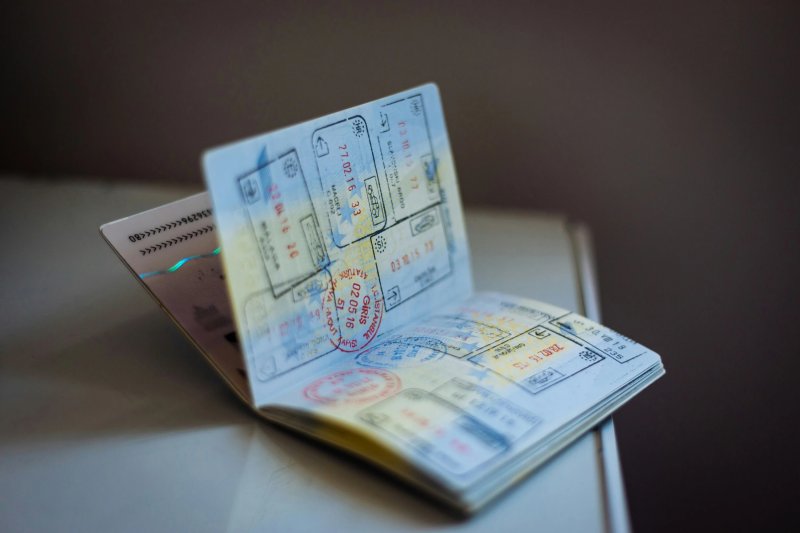
In an increasingly interconnected world, the strength of a passport can determine how easily its holder travels, studies, works, invests, and conducts business across borders. While every passport serves as proof of citizenship and identity, not all passports provide the same level of global mobility.
Some allow travelers to enter nearly 200 destinations without obtaining a visa in advance, while others require extensive paperwork and visa applications for most international trips. The gap between the world's strongest and weakest passports has become one of the clearest indicators of diplomatic influence, international relations, economic power, and geopolitical stability, News.az reports.
Global passport rankings have become an important benchmark for measuring the freedom of movement enjoyed by citizens around the world. Governments invest significant diplomatic resources in securing visa-free agreements because these arrangements benefit tourism, trade, education, and business. As international travel continues to expand, passport strength is increasingly viewed as a reflection of a country's global influence and reputation.
What Makes a Passport Powerful?
Passport power is typically measured by the number of countries and territories a passport holder can enter without obtaining a visa before departure. The more destinations that can be accessed without lengthy paperwork or embassy appointments, the stronger a passport is considered to be.
A powerful passport provides far more than convenience for tourists. It can create economic opportunities for entrepreneurs, facilitate international trade, support academic exchanges, and help professionals travel quickly for work. In many cases, global mobility can influence where businesses choose to invest and where talented individuals decide to live and work.
The strength of a passport is influenced by several factors. These include diplomatic relations, political stability, economic development, security cooperation, and the willingness of other governments to trust travelers from a particular country. Nations that maintain positive international relations often enjoy broader visa-free access for their citizens.
For individuals, a strong passport means fewer travel barriers, lower costs, reduced uncertainty, and greater flexibility. For governments, it serves as a symbol of international credibility and diplomatic success.
The World's Most Powerful Passports in 2026
The global rankings continue to be dominated by countries with strong economies, stable political systems, and extensive diplomatic networks. These nations have spent decades building relationships that facilitate easier travel for their citizens.
Competition among the world's top passports remains intense, with only a few destinations often separating countries from the highest positions. Small changes in visa agreements can significantly alter rankings from one year to the next.
As international travel recovers and expands, countries continue to negotiate new mobility arrangements, making passport rankings a dynamic and constantly evolving measure of global influence.
1. Singapore
Singapore remains the world's leading passport in 2026, offering its citizens access to more destinations without a prior visa than any other country.
The city-state's success is closely linked to its strong diplomatic reputation, strategic location, economic strength, and balanced foreign policy. Singapore has consistently maintained excellent relations with countries across Asia, Europe, the Middle East, and the Americas.
Its passport strength also reflects the confidence other nations have in Singapore's governance, security standards, and economic stability. For Singaporean citizens, this translates into unparalleled travel freedom and business mobility.
Singapore's position at the top demonstrates how a relatively small nation can achieve extraordinary global influence through diplomacy, economic competitiveness, and international cooperation.
2. Japan and South Korea
Japan and South Korea continue to rank among the strongest passports in the world.
Both countries have built extensive networks of diplomatic and economic relationships over many decades. Their citizens benefit from strong international reputations, advanced economies, and stable political systems.
The success of Japanese and South Korean passports is also tied to the global importance of their industries, including technology, manufacturing, automotive production, and innovation. These countries play significant roles in international trade and investment, which helps facilitate greater mobility for their citizens.
Their consistent presence near the top of global rankings highlights the growing influence of Asia in international affairs and travel.
3. Europe's Elite Passports
Several European countries continue to occupy the highest positions in global passport rankings.
The strength of European passports is closely linked to regional integration and cooperation. Citizens benefit not only from national diplomatic agreements but also from broader European arrangements that facilitate mobility across borders.
Countries such as Spain, Sweden, Denmark, Luxembourg, and Switzerland enjoy extensive visa-free access due to their strong economies, political stability, and active engagement in international affairs.
European nations have historically prioritized diplomatic engagement and international cooperation, helping them maintain some of the strongest passports in the world.
4. Major European Powers
Germany, France, Italy, the Netherlands, Belgium, Finland, Ireland, Norway, Austria, and Greece remain among the world's most mobile nations.
These countries benefit from strong international reputations, advanced infrastructure, economic influence, and active participation in global institutions. Their citizens enjoy extensive travel opportunities across multiple continents.
The strength of these passports reflects decades of diplomatic investment and international trust. In an increasingly competitive global environment, these nations continue to maintain broad access to foreign markets, educational institutions, and tourism destinations.
For businesses and professionals, such mobility creates important advantages in a globalized economy.
5. The Rise of the United Arab Emirates
One of the most remarkable developments in global passport rankings has been the rapid rise of the United Arab Emirates.
Over the past decade, the UAE has dramatically expanded its network of visa-free agreements through active diplomacy and economic engagement. The country has invested heavily in tourism, aviation, international business, and strategic partnerships.
As a result, Emirati citizens now enjoy levels of global mobility that rival many traditional Western powers. This transformation demonstrates how targeted diplomatic efforts can significantly improve passport strength within a relatively short period.
The UAE's success story is increasingly studied by policymakers seeking to enhance their own countries' international mobility.
Why Asian Passports Are Dominating
One of the most significant trends in recent years has been the growing dominance of Asian passports.
Countries such as Singapore, Japan, and South Korea consistently outperform many larger nations because they combine strong economies with stable political systems and effective diplomacy. Their governments have prioritized international engagement while maintaining high standards of security and governance.
The rise of Asia's strongest passports also reflects broader shifts in the global balance of power. As Asian economies continue to expand and increase their influence, their citizens benefit from greater acceptance and trust abroad.
This trend illustrates how economic success and diplomatic effectiveness can directly translate into increased freedom of movement for ordinary citizens.
Where Do the United States and United Kingdom Rank?
Despite their significant global influence, neither the United States nor the United Kingdom currently occupies the top position in passport rankings.
Both countries continue to offer extensive travel freedom and remain among the strongest passports globally. However, shifts in international agreements and evolving visa policies have allowed several Asian and European nations to move ahead.
The American and British passports still provide substantial advantages for travelers, investors, and business professionals. Their global influence remains considerable due to the economic, political, and cultural importance of both countries.
The rankings demonstrate that passport strength is not determined solely by economic or military power but also by the breadth and quality of diplomatic relationships.
The Strongest Passports in the Middle East
The Middle East has witnessed significant changes in passport strength over the past decade.
The United Arab Emirates stands out as the region's clear leader, having dramatically improved its global mobility through extensive diplomatic engagement and international partnerships.
Other Gulf countries have also strengthened their positions by expanding tourism initiatives, improving international cooperation, and pursuing broader foreign policy objectives.
The region's growing economic significance has contributed to increasing travel opportunities for many of its citizens, reflecting changing perceptions of the Middle East in global affairs.
Which Passports Are Improving Fastest?
Several countries have experienced rapid improvements in passport rankings in recent years.
These gains often result from successful diplomatic initiatives, stronger economic performance, improved security cooperation, and expanded international engagement. Governments increasingly recognize that visa-free agreements deliver tangible benefits for citizens and businesses alike.
Countries that improve their international standing often see corresponding improvements in mobility. Enhanced diplomatic relations can lead to new travel agreements, which in turn strengthen economic and cultural connections.
The race for stronger passports has become an important aspect of modern diplomacy, with governments actively seeking new opportunities to expand travel freedom.
The World's Weakest Passports
At the opposite end of the spectrum are passports that provide limited international mobility.
Citizens of countries affected by conflict, political instability, economic challenges, or weak diplomatic relations often face extensive travel restrictions. Visa applications can be time-consuming, expensive, and uncertain.
Limited mobility can create barriers to education, employment, business, and tourism. It can also affect opportunities for international cooperation and cultural exchange.
The gap between the world's strongest and weakest passports remains one of the clearest examples of global inequality. While some travelers can visit nearly every major destination with ease, others face significant obstacles before crossing international borders.
Why Passport Rankings Matter
Passport rankings are often viewed as travel statistics, but their significance extends much further.
Strong passports can enhance economic competitiveness by enabling faster movement of entrepreneurs, investors, students, and skilled professionals. They facilitate business expansion, international partnerships, and global trade.
For governments, passport strength serves as a measure of diplomatic success and international credibility. Countries with stronger passports are often seen as stable, trustworthy, and well-connected within the global community.
For individuals, travel freedom can open doors to new educational experiences, career opportunities, and personal growth.
The Future of Global Mobility
The future of international travel will likely be shaped by technological innovation, geopolitical developments, and changing security priorities.
Digital visas, biometric identification systems, artificial intelligence, and automated border controls are expected to transform how travelers move across borders. These technologies could make international travel faster, safer, and more efficient.
At the same time, geopolitical tensions, migration pressures, and security concerns may influence visa policies and travel requirements. Governments will continue balancing openness with national security considerations.
As global mobility evolves, passport strength will remain an important indicator of a country's international standing and its citizens' access to opportunities abroad.
Conclusion
The 2026 passport rankings reveal a world in which diplomatic influence, economic strength, and international trust play crucial roles in determining travel freedom. Singapore continues to lead the rankings, followed closely by Japan, South Korea, and several European nations.
The remarkable rise of countries such as the United Arab Emirates demonstrates that strategic diplomacy can significantly enhance global mobility. Meanwhile, persistent disparities between the strongest and weakest passports highlight ongoing inequalities in international travel opportunities.
Ultimately, a powerful passport represents much more than a travel document. It reflects a nation's place in the international system and provides its citizens with access to opportunities, experiences, and connections that extend far beyond national borders.
By Faig Mahmudov


Similar news