LIVE: US-Iran negotiations and peace efforts


Japan-linked vessel safely passes Hormuz
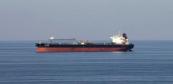
Japan’s Prime Minister Sanae Takaichi has said that a Japan-linked vessel that had been stranded in the Arabian Gulf has safely crossed the Strait of Hormuz and is now en route to Japan, News.Az reports, citing Al Jazeera.
In a post on X, Takaichi said three Japanese crew were on the vessel, which Reuters reported is a Liberian-flagged crude oil tanker owned by Japan’s Kyoei Tanker.
With the ship’s passage, all Japan-linked vessels carrying Japanese crew have now exited the Arabian Gulf, said Takaichi. However, 37 other Japan-linked vessels are still awaiting passage, she said.
Japan’s government “will continue making every diplomatic effort to ensure that free and safe navigation of vessels in the Strait of Hormuz resumes promptly,” added Takaichi.
** 12:42
Iran's Pezeshkian hails Qatar’s role in ceasefire deal
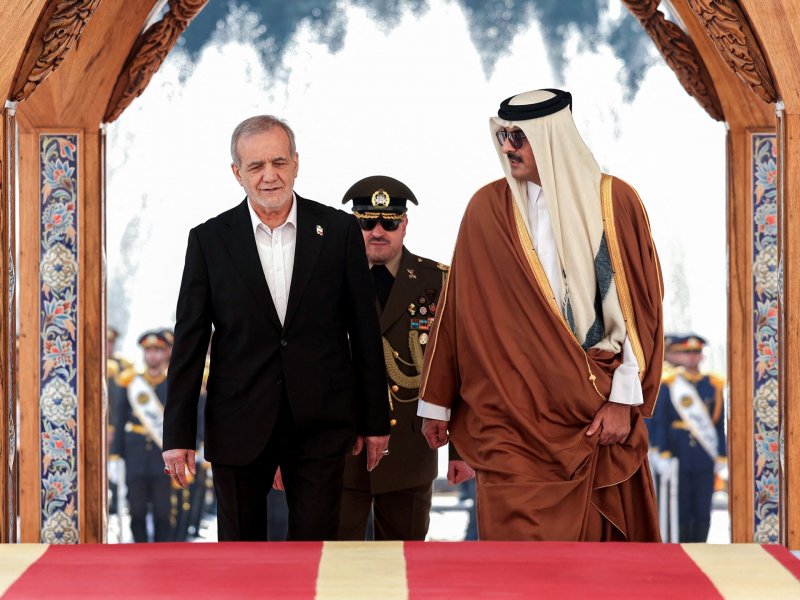
Iranian President Masoud Pezeshkian has expressed appreciation for Qatar’s role in reducing regional tensions and facilitating diplomatic efforts that led to a ceasefire agreement, describing the development as an opportunity to expand regional cooperation and strengthen unity among Islamic countries.
In a phone call with Qatari Emir Sheikh Tamim bin Hamad Al Thani on Thursday, Pezeshkian thanked Doha for what he called its “constructive role and responsible efforts” in creating the conditions for the agreement, News.Az reports, citing Iran’s Mizan News Agency.
The Iranian president said Tehran has consistently supported closer relations with Islamic countries and greater political, economic and cultural cooperation among Muslim nations, arguing that such engagement can help promote long-term stability and security in the region.
He also said the agreement would not have been possible without the “goodwill efforts” of countries including Qatar, Pakistan and other Islamic states, adding that continued dialogue-based cooperation could contribute to lasting peace.
Pezeshkian expressed hope that the new political environment would further strengthen Iran’s relations with Qatar and other regional states, and enhance unity and solidarity among Islamic countries.
For his part, Sheikh Tamim bin Hamad Al Thani welcomed the ceasefire agreement, stressing the importance of diplomacy and dialogue in reducing tensions and reinforcing regional stability. He said Qatar has, since the beginning of Pezeshkian’s presidency, worked to develop relations with Iran and to help narrow differences and reduce tensions.
The Qatari Emir described bilateral relations as “strong, strategic and based on shared interests and destiny”, adding that the current situation offers an important opportunity to deepen cooperation. He also expressed hope that all parties will adhere to their commitments under the agreement.
Sheikh Tamim further noted the presence of “certain currents” opposed to regional stability, saying the Iranian people support their leadership and seek a development-oriented future. He added that Qatar will continue to support efforts aimed at strengthening regional stability and achieving a sustainable agreement beneficial to all sides.
 Source: AFP
** 11:44
Iran’s Ghalibaf signals tough response to any breach of deal with US
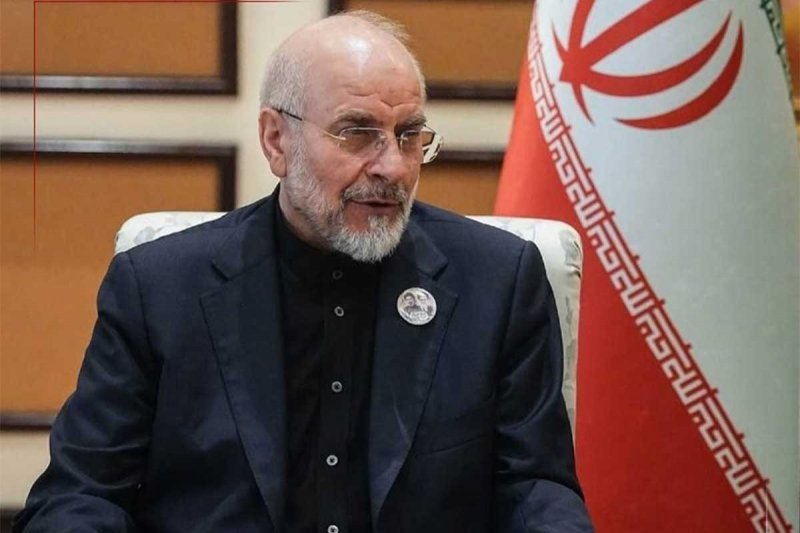
Iran's Parliament Speaker Mohammad Bagher Ghalibaf on Friday signaled a strong response if the agreement with the US is breached or excessive demands are made, News.Az reports, citing Anadolu.
"In the event of any breach of commitment, violation of the agreement, or excessive demands by the other side, we have no hesitation in delivering a crushing response to the enemy. They were slapped once in the war; if they choose to follow the same path again, they will receive an even harsher slap," Ghalibaf wrote on the US social media platform X.
Stressing that the duty assigned to them by Supreme Leader Mojtaba Khamenei is "to pursue the realization of the conditions and provisions of the agreement," he reaffirmed that they were following orders.
 Source: IRNA
** 11:02
Pentagon wants $80bn to cover costs of Iran war, other bills: Report
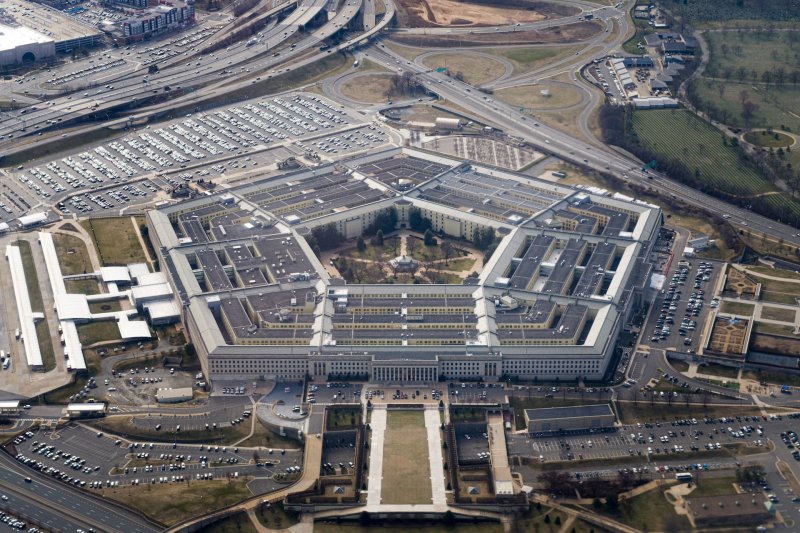
US Deputy Defense Secretary Stephen Feinberg told lawmakers this week that the department needs $80bn to cover costs of the war on Iran, as well as other non-war-related bills, The Wall Street Journal reports.
A full US supplemental request, which will include money for the Pentagon as well as non-defence priorities, could be sent to lawmakers in the coming days, the newspaper said, citing people familiar with the matter.
The overall costs of the US-Israel war on Iran remain unclear, but experts have estimated that the conflict could cost the US economy as much as $1 trillion.
 Source: Reuters
** 10:12
US-Iran talks in Switzerland canceled
The Swiss Foreign Ministry announced early Friday that the US-Iran talks scheduled for the day were canceled, News.Az reports, citing Anadolu.
"The discussion at Bürgenstock will not take place as planned today," the ministry announced in a statement. “Consequently, the meeting announced yesterday is cancelled.”
The statement came right after the White House announced that US Vice President JD Vance will not be departing for Switzerland on Thursday as logistical details for expected technical talks with Iran remain unresolved.
On Wednesday evening, US President Donald Trump and Iranian President Masoud Pezeshkian electronically signed the “Islamabad Memorandum of Understanding,” which is intended to pave the way for ending the war launched by Washington and Tel Aviv against Iran on Feb. 28.
Under the terms of the deal, Iran will immediately reopen the strategically vital Strait of Hormuz, while the US will lift its naval blockade, according to Pakistani Prime Minister Shehbaz Sharif, who also signed the document as mediator.
By Nijat Babayev


Similar news