India rejects Anti-dollar alliance with Russia and China, fearing potential U.S. punishment


By Murad Samedov
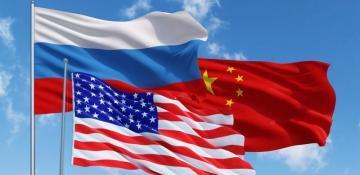
The idea of turning BRICS into a coalition opposing the United States is becoming increasingly contentious among its members.
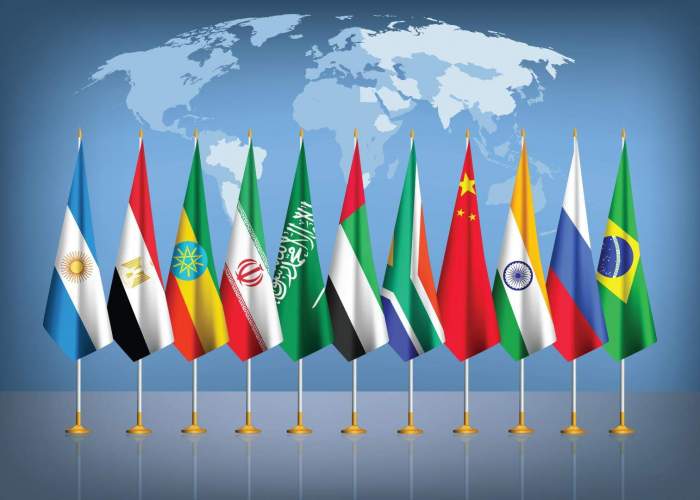
According to Bloomberg , this discontent with anti-Western orientation reflects a broader sentiment shared by other BRICS founders, namely Brazil and South Africa, as well as newly joined members such as the UAE.
The main point of contention within the bloc concerns further expansion. India, backed by Brazil and South Africa, opposes increasing the number of BRICS members to avoid turning the organization into a club of nations with anti-Western sentiments.
Indian officials, cited by Bloomberg, argue that such expansion could lead to a stronger influence of Russia and China, transforming BRICS into a platform for their geopolitical ambitions aimed at weakening the U.S. position.
Brazil and South Africa, like India, support a cautious approach to expanding BRICS , wary of preserving their independence and sovereignty in decision-making within the organization. This stance is also shared by the UAE, which recently joined the bloc but maintains solid economic and political ties with the West. There are concerns that including new nations that support sanctions against the West could make BRICS a more aggressive platform, potentially sparking economic confrontation with the United States.
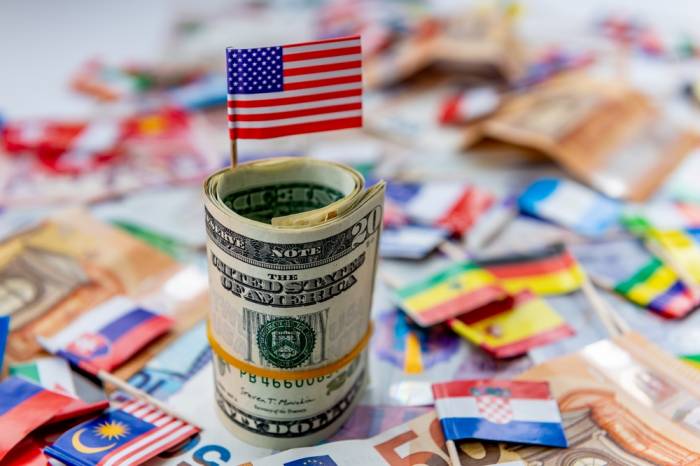
Another indication that most BRICS members are not ready to challenge the dominance of the dollar was the absence of finance ministers and central bank chiefs from China, India, and South Africa at the recent meeting held in Moscow ahead of the Kazan summit. Typically, such gatherings serve as platforms for discussing financial integration and reducing reliance on the dollar. However, the absence of key players like India and China underscores their reluctance to actively support an anti-dollar policy championed by Russia.
Furthermore, Russia's proposal to create an alternative financial payment system to undermine the dominance of the dollar has not garnered widespread support within the bloc. This is largely because countries such as India and South Africa, unlike Russia, are not subject to Western sanctions and do not face similar pressures to abandon the dollar.
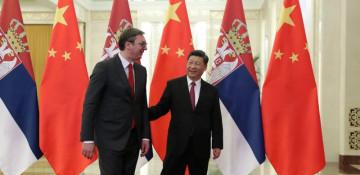
Wang Yiwei, Director of the Center for European Studies at Renmin University of China, noted that Russia's idea of bypassing the dollar in transactions seems overly ambitious, even to China. Despite its economic power, China is not keen on directly challenging the dollar, given the importance of stable trade relations with the U.S. and other Western partners. Moreover, the risk of disrupting the global order is too high for China, prompting caution in making strategic decisions that could destabilize the global economy.
Experts believe that China’s reserved stance is also driven by the fact that, despite its rivalry with the U.S., Beijing recognizes the dollar's importance as a reserve currency, especially since the yuan is not yet in a position to replace it globally. China prefers a policy of gradual change in the world’s financial architecture rather than the radical steps proposed by Russia.
Earlier, The Economist reported that Russian President Vladimir Putin intends to present a plan at the BRICS summit to dismantle the dollar system. According to sources, the main idea involves creating a new global financial payment system, which would increase BRICS' economic and political significance while challenging U.S. dominance. However, the lack of unity within the bloc raises doubts about the success of this initiative.
The upcoming summit in Kazan may become a decisive moment for the future of BRICS, where key players will have to determine the organization’s course: whether it will become a more independent platform for development or transform into a coalition opposing the U.S. and its allies.
Ultimately, the future of BRICS remains uncertain. India, as one of the leading participants in the bloc, continues to advocate for maintaining the organization’s neutrality and independence without a clear tilt towards antagonism against the West.
Support from Brazil, South Africa, and the UAE on this issue suggests that BRICS is unlikely to turn into a coalition aimed at opposing the United States in the near future, despite Russia's aspirations and initiatives to establish an alternative financial system.
Such disagreements within the organization require compromise, which will seek a balance between the economic interests of all participants and the political ambitions of individual members who aim to use BRICS as a tool for opposing the U.S.


Similar news