Is the US preparing military action against Iran?


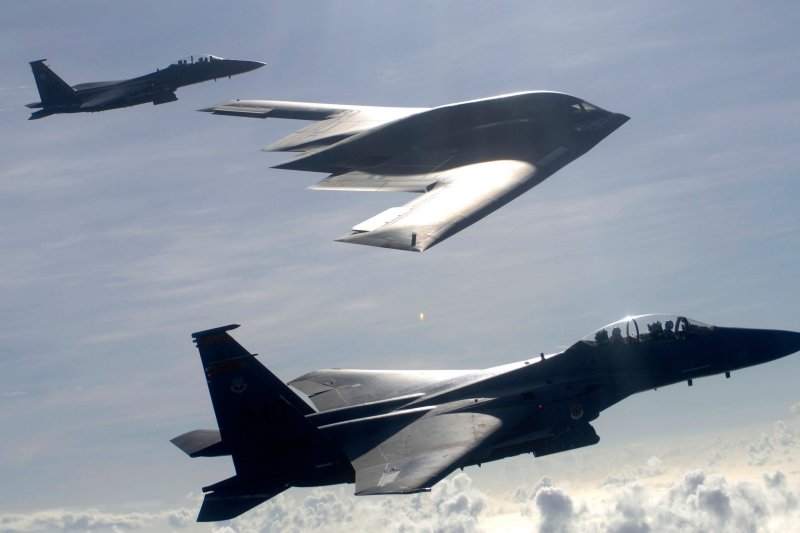
Reports circulating in international media suggest that the United States military may be preparing to move against Iran within the next 24 hours, News.Az reports.
According to diplomatic and allied assessments cited by multiple outlets, the likelihood of imminent action has increased, although the exact timing, scope, and nature of any operation remain uncertain.
Heightened military readiness, precautionary relocations of personnel, and intensified political rhetoric have fueled concerns that a new phase of confrontation between Washington and Tehran may be approaching. This FAQ explainer outlines what is currently known, why action is being discussed, what form it could take, and what the potential consequences may be for the region and beyond.
What is being reported about a possible U.S. military move against Iran?
Recent reporting indicates that senior officials in allied countries believe the United States is close to authorizing military action against Iran. These assessments suggest that preparations are underway and that the decision window is narrowing, with action potentially occurring within the next 24 hours.
At the same time, US authorities have not publicly confirmed any specific plan. Official statements have remained deliberately ambiguous, emphasizing readiness while stopping short of announcing an operation. This ambiguity has contributed to uncertainty and speculation across diplomatic and security circles.
Why might the United States act now?
The possibility of US military action is closely linked to developments inside Iran. Over recent weeks, Iran has experienced widespread nationwide protests driven by economic hardship, political repression, and social grievances. The scale and persistence of the unrest have marked one of the most serious internal challenges to the Iranian system in decades.
The government’s response has reportedly involved a harsh crackdown, with significant casualties and mass arrests. US officials have repeatedly condemned the use of force against protesters, framing the issue as both a human rights crisis and a broader threat to regional stability.
In parallel, long-standing tensions between Washington and Tehran have intensified. The US administration has signaled that continued violence against civilians, combined with Iran’s regional posture, could trigger decisive action. The current moment reflects the intersection of internal Iranian instability and unresolved geopolitical rivalry.
What type of military action is being considered?
No official details have been released regarding the form of potential military action. Analysts and observers outline several possibilities, ranging from limited to more expansive measures.
One option could involve targeted air strikes against specific military or security installations. Such strikes would likely be designed to send a political signal rather than initiate a prolonged conflict.
Another possibility is the use of cyber or electronic operations aimed at disrupting command structures, surveillance systems, or internal security networks. These actions would allow pressure to be applied without immediate large-scale kinetic engagement.
A broader scenario could include strikes against missile sites, air defense systems, or key units associated with Iran’s military leadership. While this would represent a more serious escalation, it remains unclear whether such an approach is under consideration.
US officials appear intent on maintaining strategic unpredictability, keeping multiple options available while avoiding public commitments that could limit flexibility.
How long have U.S.–Iran tensions been building?
Tensions between the United States and Iran have been escalating for years. The relationship deteriorated significantly after the collapse of diplomatic agreements and the reimposition of sanctions, followed by periodic confrontations across the region.
More recently, previous episodes of direct and indirect military exchanges heightened mistrust and reinforced a cycle of retaliation and deterrence. The current crisis is therefore not an isolated event but part of a longer trajectory of confrontation marked by sanctions, proxy conflicts, and diplomatic breakdowns.
The domestic unrest in Iran has added a new dimension, raising questions about internal stability and external intervention simultaneously.
How has Iran responded to the prospect of u.s. action?
Iranian officials have issued strong warnings against any foreign military intervention. Tehran has stated that it would respond decisively to any attack, emphasizing its ability to target US interests and allied facilities across the region.
Iran has also cautioned neighboring states that host US forces, signaling that retaliation could extend beyond direct US targets if military action occurs. These statements appear intended to deter intervention by raising the potential costs of escalation.
At the same time, Iranian authorities continue to reject accusations of widespread executions and mass killings, portraying the protests as unrest fueled by external interference rather than domestic discontent.
What are the risks of escalation?
Any US military action against Iran carries significant risks. Retaliation could take the form of missile or drone attacks against US bases in the region, drawing neighboring countries into the conflict.
Iran’s regional partners and allied armed groups could also become involved, opening multiple fronts and increasing instability across the Middle East. Such dynamics raise the possibility of a broader confrontation that would be difficult to contain.
Global energy markets could also be affected, particularly if tensions disrupt shipping routes or energy infrastructure. Even limited conflict could have immediate economic consequences beyond the region.
Civilian harm and humanitarian fallout remain major concerns, especially if military operations occur near populated areas or trigger internal displacement.
What is the domestic political context in the United States?
Within the United States, public opinion appears divided but generally cautious about military involvement. Surveys indicate widespread skepticism about launching new military operations without clear objectives and congressional approval.
Many voters express concern about repeating past interventions that resulted in prolonged conflicts with uncertain outcomes. These domestic considerations add another layer of complexity to decision-making in Washington.
What is the international reaction?
International actors have responded with a mix of concern and caution. Several governments have advised their citizens to avoid travel to Iran or the broader region, citing security risks linked to potential escalation.
Diplomatic statements from various countries emphasize restraint, warning that military action could further destabilize an already volatile environment. Some governments have focused on human rights pressure and diplomatic measures rather than force.
Calls for dialogue and de-escalation continue, even as military preparations appear to intensify.
What could happen next?
In the immediate term, several scenarios remain possible. The United States could proceed with a limited military operation, delay action pending further developments, or pursue intensified non-military pressure.
Key indicators to watch include official authorization statements, emergency consultations with allies, movements of military assets, and Iran’s internal and external signaling.
The next 24 hours are widely seen as critical, but uncertainty remains high. Decisions may shift rapidly in response to intelligence assessments, diplomatic signals, or developments on the ground inside Iran.
Reports suggest that the United States military may be close to acting against Iran, potentially within the next 24 hours. The situation is driven by escalating unrest inside Iran, long-standing geopolitical tensions, and heightened military readiness in the region.
While no action has been officially confirmed, the risks of escalation are substantial, with implications for regional security, global markets, and civilian populations. As events unfold, the balance between deterrence, diplomacy, and military force will shape the next phase of the US–Iran confrontation.


Similar news