Israel–Hamas war: Latest development over 24 hours


The last 24 hours of the Israel–Hamas war have seen intensified negotiations over a possible renewed ceasefire, limited but persistent clashes around northern and central Gaza, and growing alarm from humanitarian agencies over the worsening conditions for displaced civilians, News.az reports.
Political developments in Israel and diplomatic manoeuvring across the region have added new layers of uncertainty, with international mediators warning that the window for a sustainable pause is narrowing.
While the frontline situation remains fluid, both military actions and diplomatic signals suggest that the conflict is entering a sensitive phase in which battlefield pressure, hostage negotiations and humanitarian concerns are becoming tightly intertwined.
Ceasefire negotiations regain momentum
Talks to revive a ceasefire have re-intensified, with mediators from Qatar, Egypt and the United States pressing Israel and Hamas to accept a phased deal involving hostage releases, increased aid deliveries and temporary pauses in fighting. Over the past 24 hours, Israeli officials reiterated that any new ceasefire must include clear commitments from Hamas regarding the return of hostages and the prevention of renewed hostilities. Hamas, meanwhile, signaled that its position remains tied to broader political conditions, including guarantees on the future governance and reconstruction of Gaza.
Mediators described the negotiations as “extremely delicate,” with disagreements not only about the sequencing of hostage releases but also about the duration of any truce and the scope of aid allowed into Gaza. Diplomatic sources close to the process say that while both sides have shown flexibility in specific areas, neither has yet moved enough to close the gaps.
Still, the past day has seen increased engagement from all sides, driven partly by growing pressure from families of Israeli hostages, international calls for humanitarian access and shifting political calculations within Israel’s security establishment.
Limited clashes continue in northern Gaza
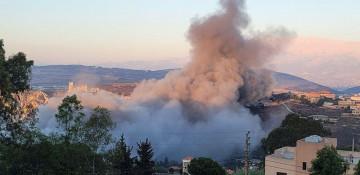
Despite the renewed diplomatic push, the Israeli military reported continued operations in parts of northern Gaza, particularly in neighborhoods that had previously been cleared earlier in the war. Israeli forces carried out targeted raids aimed at what they described as “re-emerging militant cells” and movement of armed groups in densely built-up areas.
Residents who remain in northern Gaza reported intensified artillery shelling overnight, though on a more limited scale compared to earlier phases of the conflict. The Israeli army stated that it was acting on “precise intelligence indicators,” while Palestinian health authorities said the strikes resulted in new civilian casualties, including among families unable to leave their homes due to damaged roads and lack of transport.
Israeli officials argue that Hamas continues to use civilian areas, abandoned buildings and tunnel openings to regroup, while critics warn that repeated operations in previously targeted zones highlight the challenge of achieving lasting security through military means alone.
Growing Israeli debate over the next phase
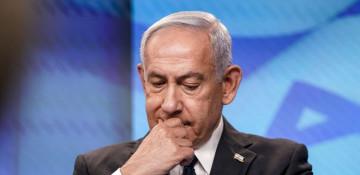
Within Israel, political debate intensified over the past 24 hours as government officials, security analysts and opposition leaders clashed over what the “day after” in Gaza should look like. Members of the Israeli security cabinet discussed possible frameworks for a post-war governance model, though no consensus has emerged. Some officials advocated for a multinational or Arab-led interim administration, while others insisted that Israel must retain long-term control over security operations.
Public pressure is also increasing. Families of hostages held another demonstration in Tel Aviv, demanding that the government prioritise negotiations over continued military operations. They argued that without a renewed ceasefire deal, the chances of safely recovering their relatives diminishes with each passing day. The government, however, maintains that military pressure remains essential to weakening Hamas’s leverage.
Humanitarian crisis deepens under winter conditions
The humanitarian situation in Gaza continued to deteriorate over the past 24 hours, with aid agencies warning that the coming weeks could be catastrophic if conditions do not improve. Heavy rains and cold weather have compounded the suffering of displaced civilians living in makeshift shelters or open areas, where tents have collapsed and flooding has contaminated limited water supplies.
Aid groups reported that many families are surviving on minimal food rations, and that shortages of clean water, fuel and medical supplies have reached critical levels. Hospitals, especially in central and southern Gaza, are struggling to treat an influx of patients suffering from respiratory infections, dehydration and injuries from recent airstrikes.
The lack of fuel has severely affected water desalination plants and sewage pumping stations, raising fears of disease outbreaks. International health organisations noted a sharp rise in cases of skin infections, gastroenteritis and diarrhoeal diseases among children, conditions that are aggravated by overcrowding and inadequate sanitation.
Calls for scaling up humanitarian access
Global calls for expanding humanitarian access grew louder over the past day. The United Nations and major international relief organisations urged all parties to guarantee the safe and consistent entry of life-saving aid, warning that current delivery levels fall far short of the population’s needs.
Humanitarian convoys entering Gaza through the southern border crossings remain limited, and distribution challenges persist due to damaged roads, fuel shortages and continuing military activity. Aid workers stressed that without a sustained pause in fighting, it will be almost impossible to reach many of the displaced communities in northern Gaza.
Diplomatic tensions rise in the region
As ceasefire talks intensify, the regional diplomatic landscape has also shifted. Several Middle Eastern capitals have engaged in high-level consultations over the last 24 hours, focusing on both the immediate humanitarian crisis and long-term political arrangements for Gaza.
Arab states continue to express concern that prolonged conflict risks destabilising neighboring countries and fueling wider regional tensions. They have demanded clear assurances that any post-war plan respects Palestinian rights and prevents further displacement. At the same time, Western governments are urging regional actors to support a negotiated settlement and contribute to future stabilization efforts.
International debates over reconstruction and governance
A growing point of discussion in diplomatic circles is the question of Gaza’s reconstruction and governance once active fighting ends. The past day saw renewed debate over whether the Palestinian Authority should assume administrative responsibilities, whether an international transitional mechanism is feasible, and how to ensure long-term security without perpetuating cycles of conflict.
Reconstruction costs are expected to be enormous, and donor countries are increasingly signaling that political clarity will be essential before they commit to major financial support. With infrastructure devastated, economic prospects shattered and hundreds of thousands displaced, the question of Gaza’s future governance is becoming inseparable from the humanitarian and security challenges unfolding daily.
Hostage issue remains central to negotiations
The hostage issue continues to play a dominant role in political and military decision-making. According to Israeli officials, intelligence assessments conducted over the last 24 hours indicate that several hostages may have been moved within Gaza, complicating rescue efforts. Hamas representatives have stated that hostage releases must be linked to broader political concessions and guarantees.
Families of hostages have urged negotiators to prioritize a comprehensive exchange, arguing that any delay risks irreversible consequences. Their rallies and statements over the past day have increased pressure on the Israeli government to pursue a new ceasefire arrangement.
International reaction: growing calls for restraint
In global capitals, diplomats and political leaders issued statements over the last 24 hours calling for maximum restraint and renewed efforts toward a humanitarian truce. European governments voiced concern about the escalating humanitarian crisis, while international legal experts stressed the need for all parties to uphold civilian protection obligations under international law.
The United States reiterated its support for Israel’s right to self-defense but also emphasized the importance of minimizing civilian harm and facilitating aid flows. Several UN bodies echoed this stance, urging both sides to commit to confidence-building steps that could pave the way for a longer ceasefire.
A critical junction for the conflict
The latest 24 hours illustrate that the Israel–Hamas war has reached a delicate and potentially decisive moment. Military operations continue, though at varying intensity, while diplomatic channels are working at full speed to craft a workable ceasefire formula. The humanitarian crisis remains severe and worsening, adding urgency to calls for a pause in hostilities.
Whether negotiations can overcome remaining obstacles will determine the course of the conflict in the coming days. A successful ceasefire could enable significant increases in aid deliveries, reduce civilian casualties and open the door to broader political dialogue. Failure, however, risks further military escalation, deepening humanitarian suffering and renewed instability across the region.
For now, the situation remains fluid, the stakes remain high, and the world continues to watch closely as efforts to halt the fighting intensify.


Similar news