Israel–Palestine conflict: Latest developments over the past 24 hours


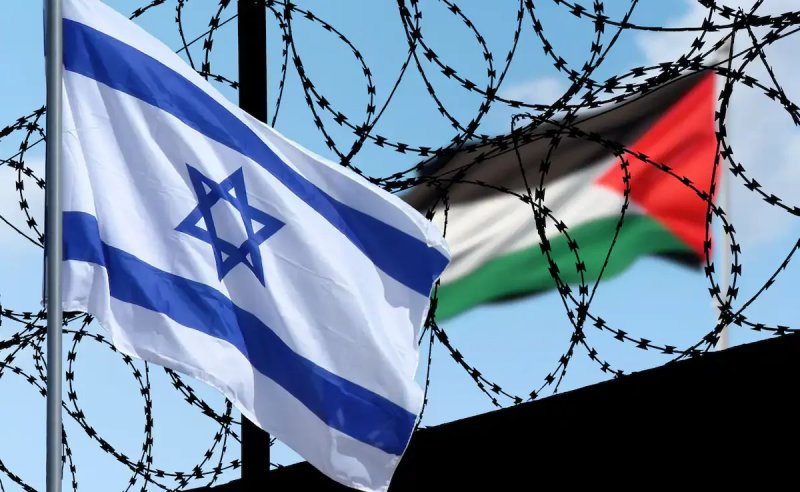
Tensions in the Israel–Palestine conflict intensified over the past 24 hours as new incidents in the West Bank, Syria and Lebanon signalled a widening regional confrontation, while diplomatic efforts to stabilise the fragile Gaza ceasefire continued behind the scenes, News.az reports.
The combination of viral footage from an Israeli raid, cross-border clashes and renewed international criticism added pressure to an already volatile environment.
The most widely discussed development emerged from Jenin in the northern West Bank, where video footage circulated across regional and international platforms showing two Palestinian men being shot by Israeli soldiers shortly after appearing to surrender during a raid. The men were seen lying on the ground with their hands visible when shots were fired. The incident triggered widespread anger among Palestinians and renewed accusations of excessive force. Israel’s military said it was reviewing the circumstances, while Palestinian officials called it a “deliberate execution”.
The footage sparked immediate reactions from human rights organisations and several governments, with calls for an independent investigation and greater accountability mechanisms in the West Bank. It also reignited debate inside Israel, where commentators and former officials warned that such incidents risk further damaging Israel’s diplomatic standing, especially at a time when its broader military conduct is under close international scrutiny.
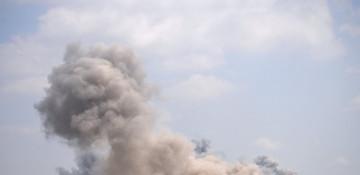
Meanwhile, the regional dimension of the conflict escalated sharply. Early Friday morning, Israeli forces carried out strikes and ground operations in the Damascus countryside in Syria, particularly around the town of Beit Jinn. Reports from the area described casualties, including children, and significant damage to residential zones. Israeli forces said they were targeting armed groups linked to cross-border attacks. The operation reportedly included both ground clashes and follow-up air strikes, including the destruction of an Israeli vehicle that had been left disabled during the encounter to prevent its capture.
On Israel’s northern border, the army launched new strikes on Hezbollah positions in southern Lebanon. The exchanges came close to the one-year mark of previous ceasefire understandings aimed at reducing friction along the border. Lebanese officials described the latest attacks as part of a “one-sided escalation”, noting that several rural areas had been hit by Israeli jets. Analysts warned that the simultaneous flare-ups in Syria and Lebanon underscored the risk of multiple theatres heating up at once, increasing the prospect of a broader confrontation if tensions continue to rise.
Despite these developments, diplomatic efforts to maintain the Gaza ceasefire have not stopped. Türkiye, Egypt and Qatar have been in regular contact with the United States in recent days, discussing the next stages of the truce framework. These consultations focus on the release of detainees, humanitarian access, and the future governance of Gaza once longer-term arrangements are reached. Mediators involved in the process emphasised that maintaining even a limited ceasefire window is crucial to preventing another major humanitarian crisis.
A separate round of discussions in Cairo earlier this week examined the planned “second phase” of the truce agreement negotiated months earlier. This phase reportedly includes more expansive prisoner exchanges, increased entry of humanitarian aid, and mechanisms for international oversight of reconstruction efforts. Diplomatic officials familiar with the talks say progress remains slow but ongoing, with all sides aware of the risks of a collapse.
In the West Bank, humanitarian groups reported a worsening situation as regular raids, arrests, movement restrictions and settler attacks continue. Recent assessments from aid agencies indicate that, since the war began, hundreds of thousands of Palestinians have been displaced from their homes across Gaza and the West Bank. In refugee camps, conditions have deteriorated due to infrastructure destruction, limited access to medical services and repeated incursions. Rights groups warned that patterns of raids and demolitions could create a long-term protection crisis.
Separately, several international human rights organisations recently criticised Israel for operations in West Bank refugee camps earlier this year, arguing that forced displacement, systematic demolitions and the scale of force used may constitute violations of international law. Israel rejected these characterisations, insisting that its actions are driven by security needs and the need to neutralise militant cells operating from within densely populated areas. The latest Jenin incident, however, has added momentum to calls for greater monitoring and accountability.
Diplomats say the combination of the Jenin killings, cross-border strikes and stalled political talks could complicate the already fragile ceasefire environment. Some fear these developments may be used by regional actors to justify retaliatory actions, further eroding the calm that mediators are trying to preserve. Others warn that if the Gaza truce falters, it could trigger a rapid deterioration across all fronts, including Lebanon and Syria.
As the past 24 hours have shown, the Israel–Palestine conflict remains highly interconnected. Events in Jenin affect diplomatic debates in international corridors; strikes in Syria shape Lebanon’s security environment; and the fragile ceasefire in Gaza remains vulnerable to collapse under the weight of parallel crises. Each new incident — whether a video from a West Bank raid or a cross-border strike — has the potential to shift the political landscape and determine the trajectory of the conflict in the days ahead.


Similar news