Israel–Palestine war: Day-by-day chronology of the past week


The past ten days marked another volatile and deadly chapter in the Israel–Palestine war, defined by intensified fighting in Gaza, expanding regional tensions, hostage negotiations under strain, and worsening humanitarian conditions, News.az reports.
Both Israeli forces and Palestinian armed factions increased operational tempo as international pressure grew for sustained ceasefire talks. Below is a detailed chronology covering 23 november – 2 december 2025.
23 November 2025: Israel expands operations into central Gaza
The 10-day period opened with Israel expanding ground operations toward central Gaza, focusing on the Nuseirat and Bureij areas. Israeli forces conducted house-to-house searches while armored units advanced along key access roads.
Palestinian groups responded with mortar fire and anti-tank attacks on Israeli vehicles.
Humanitarian groups reported thousands of civilians attempting to move south as fighting intensified. Aid deliveries slowed due to damaged roads and repeated security inspections.
Regional actors renewed calls for a humanitarian pause, but Israeli officials insisted military objectives remained unchanged.
24 November 2025: heavy clashes around Khan Younis
Israeli forces intensified air and artillery strikes on Khan Yunis, describing it as a major operational hub for armed groups. Palestinian factions claimed they ambushed an Israeli infantry unit using tunnel exits beneath residential blocks.
Casualty numbers increased sharply as multiple residential structures collapsed during overnight bombardments.
Egyptian mediators pushed for a 48-hour ceasefire to allow evacuations, but negotiations stalled.
In the West Bank, tensions rose as Israeli forces conducted raids in Jenin and Tulkarm, detaining several individuals suspected of planning attacks.
25 November 2025: hostage talks stall as military pressure increases
Hostage negotiations entered a difficult phase. Israel demanded proof of life for several captives and insisted that any partial release be accompanied by verified lists. Hamas insisted on broader concessions, including prisoner releases and increased fuel entry into Gaza.
Meanwhile, Israeli forces continued operations in northern Gaza, reporting the destruction of tunnel networks near Beit Hanoun and Shujaiya.
Humanitarian agencies warned that hospitals in central Gaza were running out of anesthesia, antibiotics, and fuel for generators.
6 November 2025: growing international concern over civilian displacement
By 26 November, international concern mounted as the number of displaced civilians in Gaza surpassed earlier projections. Aid workers said shelters in Rafah were overcrowded to more than three times capacity.
Israel issued new evacuation orders for districts west of Khan Yunis, prompting thousands more residents to flee. Palestinian officials said safe corridors were “inadequate and unpredictable”.
Cross-border exchanges intensified as armed groups fired rockets toward southern Israel. Most were intercepted by Iron Dome, though several fragments caused fires in open areas.
27 November 2025: Israel conducts major overnight strikes
Israel conducted one of the heaviest overnight strike campaigns in several weeks, targeting what it described as command posts and tunnel access shafts in central and southern Gaza.
Palestinian armed groups claimed to have used explosive-rigged buildings and improvised devices to slow Israeli advances.
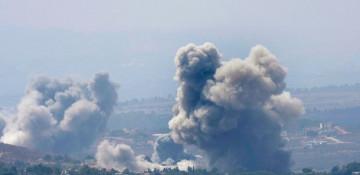
Footage circulated online showed thick smoke rising above Khan Yunis and Deir al-Balah.
The United Nations warned that water purification systems had nearly collapsed, raising fears of disease outbreaks.
28 November 2025: regional tensions flare
On 28 November, regional tensions escalated as a missile launched from southern Lebanon struck open terrain in northern Israel. Israel responded with artillery fire into areas controlled by Hezbollah.
U.S. officials pressed both sides to prevent a wider regional conflict, emphasizing the “critical days ahead”.
Inside Gaza, Israeli troops reached deeper sectors of Khan Yunis. Palestinian fighters ambushed several units using hit-and-run tactics through narrow alleys and partially destroyed neighborhoods.
Talks in Doha aimed at reviving hostage exchanges made little progress.
29 November 2025: humanitarian crisis worsens
The humanitarian situation deteriorated sharply. Aid convoys were delayed at crossing points due to ongoing security inspections, and fuel shortages led several hospitals to shut down surgical units.
Israel stated it had opened limited humanitarian corridors, but aid groups said the volume remained far below essential needs.
Israeli forces reported discovering a large underground tunnel complex containing weapons, electronic equipment, and communication devices. Palestinian factions described the claims as “propaganda”, saying they continued to operate effectively underground.
30 November 2025: intensified urban fighting and rising casualties
Fighting on 30 November focused on dense urban districts in Khan Yunis and central Gaza. Israeli units used armored bulldozers to clear routes while infantry pushed deeper into built-up areas.
Palestinian armed groups relied heavily on snipers, concealed positions, and explosive devices. Both sides reported casualties, though independent verification remained limited.
The World Health Organization warned that medical personnel were operating under “catastrophic conditions”, with many clinics functioning without electricity or sterilization equipment.
International calls for a renewed ceasefire intensified as conditions deteriorated.
1 December 2025: Diplomatic pressure mounts as ceasefire framework discussed
On 1 December, diplomatic discussions intensified. Qatar, Egypt, and the United States circulated a potential framework for a multi-stage ceasefire involving hostage exchanges, increased humanitarian access, and phased de-escalation.
Israel said it remained open to “conditional pauses” but would not halt operations until all remaining military objectives were achieved.
Hamas stated that any agreement must include a permanent cessation of hostilities and large-scale prisoner releases.
On the ground, Israeli forces continued clearing operations in central Gaza, while Palestinian fighters launched coordinated drone-drop attacks targeting Israeli infantry positions.
2 December 2025: Israel targets southern tunnel networks as humanitarian collapse deepens
Today, 2 December, Israeli forces targeted what they described as major tunnel routes connecting Khan Yunis with Rafah. Multiple airstrikes were reported near agricultural lands and residential districts.
Palestinian armed groups countered with mortar fire and anti-tank missiles. Fighting remained intense near the western edges of Khan Yunis.
Humanitarian agencies warned that Gaza’s health system was “beyond the point of collapse”. Fuel reserves reached critical levels, and makeshift clinics struggled to treat burns, shrapnel injuries, and respiratory infections.
International mediators said ceasefire talks were “ongoing but fragile”, with both sides signaling readiness for negotiations but maintaining military pressure.


Similar news