Israeli expert: Our presence in Syria is now greater than the U.S.


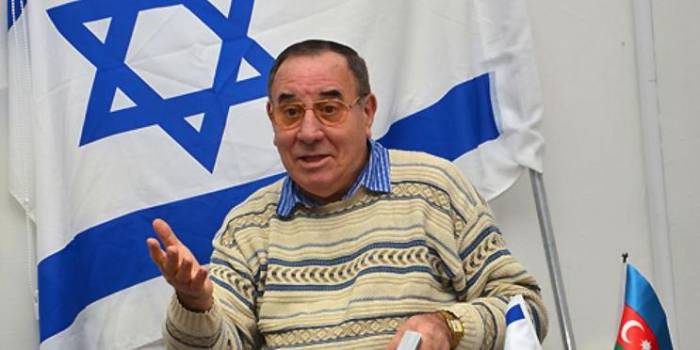
Photo: News.Az
Amid reports that Washington is considering withdrawing its forces from Syria, Israel has voiced serious concerns over the implications of such a move. Seeking insight into Israel’s position, News.Az spoke with Alex Wexler , a prominent Israeli political scientist and former advisor to the Israeli Minister of Internal Security.
Wexler provided an assessment of the current military landscape in Syria, emphasizing that US’s military footprint remains relatively small.
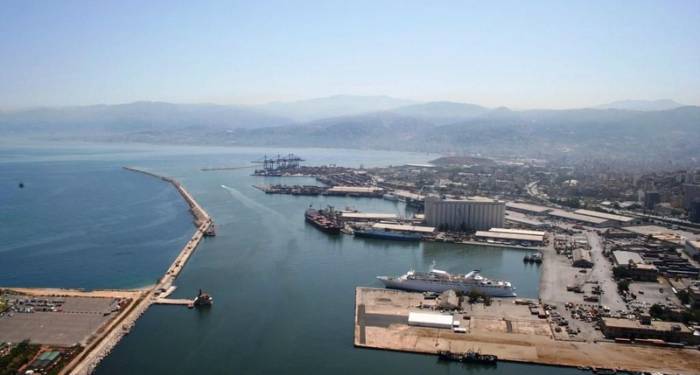
"The American military presence in Syria is not as substantial as some might think. I estimate there are about 3,000 Americian soldiers, primarily stationed in the southeastern part of Syria at the junction of three state borders: Syria, Iraq and Jordan. Meanwhile, the U.S. maintains one or two military bases in the region. Interestingly, I would argue that Israel’s presence in Syria today is more significant than that of the United States."
 Armiya.az
He also elaborated on past Israeli operations in Syria, particularly in response to the conflict surrounding President Bashar al-Assad .
"After the situation with Assad deteriorated, we managed to dismantle Syria’s entire air defense system within two days—taking out military bases, supply depots, and key equipment. These airstrikes were conducted with implicit Russian approval, given their strategic foothold in Latakia and Tartus . However, it appears that the Syrian leadership is now attempting to curb Moscow’s influence."
Wexler highlighted a developing situation in Syria’s southwest involving the Druze population, a community with longstanding ties to Israel.
"There are significant developments concerning the Druze population in southwestern Syria. We have close connections with them, and Druze citizens serve in the Israeli army, including in senior ranks. Some within the Druze community have reportedly requested Israeli assistance in joining Israel. While this is not an official proposal, there is growing discussion around the issue. Furthermore, Druze leaders in the Golan Heights have urged Israel to intervene and protect their counterparts in Syria from potential attacks. This remains a highly sensitive issue, and I believe a compromise may be found in this region."
On the broader geopolitical front, Wexler reflected on the evolution of U.S.-Israel relations, particularly under the administration of President Donald Trump.
"U.S.-Israel relations have always been strong, but under Trump, they reached a new level. For example, a six-month ban on the supply of certain weapons—imposed under the previous administration—was immediately lifted upon Trump’s arrival at the White House. We are now expecting a shipment of 1,800 bombs from the United States."
He also pointed to rising global anti-Semitism as a pressing concern for Israel.
"Anti-Semitism is becoming an increasingly serious issue, as demonstrated by recent anti-Israel demonstrations in New York. This will likely become a major topic of discussion in the near future. On the second day of his presidency, Trump introduced an amendment declaring that anti-Zionism is equivalent to anti-Semitism. As a result, authorities now have the power to disperse anti-Israel protests, arrest participants, and imprison those involved in anti-Zionist demonstrations. Additionally, under the new legislation, students who participate in anti-Israel or anti-Jewish protests will be identified and expelled from universities."
Discussing the strategic priorities of U.S. foreign policy, Wexler underscored Iran’s nuclear ambitions as a central concern.
"Trump was a staunch supporter of Israel, and his discussions with Israeli leadership, including Prime Minister Netanyahu , will likely focus on Iran’s nuclear program. Preventing Iran from obtaining nuclear weapons remains a key priority."
On the Palestinian issue, he suggested that alternative solutions should be considered.
"Trump could potentially address long-standing challenges, including the question of Palestinian relocation. Discussions about resettling Palestinians from Gaza to other countries —such as Jordan—may become part of future negotiations."
Looking ahead, Wexler expressed confidence in the future of U.S.-Israel relations, particularly in security and defense cooperation.
"Overall, I believe that ties between the U.S. and Israel will continue to strengthen, with a particular emphasis on security and military coordination."
Wexler provided an assessment of the current military landscape in Syria, emphasizing that US’s military footprint remains relatively small.
"The American military presence in Syria is not as substantial as some might think. I estimate there are about 3,000 Americian soldiers, primarily stationed in the southeastern part of Syria at the junction of three state borders: Syria, Iraq and Jordan. Meanwhile, the U.S. maintains one or two military bases in the region. Interestingly, I would argue that Israel’s presence in Syria today is more significant than that of the United States."
Armiya.azHe also elaborated on past Israeli operations in Syria, particularly in response to the conflict surrounding President Bashar al-Assad .
"After the situation with Assad deteriorated, we managed to dismantle Syria’s entire air defense system within two days—taking out military bases, supply depots, and key equipment. These airstrikes were conducted with implicit Russian approval, given their strategic foothold in Latakia and Tartus . However, it appears that the Syrian leadership is now attempting to curb Moscow’s influence."
Wexler highlighted a developing situation in Syria’s southwest involving the Druze population, a community with longstanding ties to Israel.
"There are significant developments concerning the Druze population in southwestern Syria. We have close connections with them, and Druze citizens serve in the Israeli army, including in senior ranks. Some within the Druze community have reportedly requested Israeli assistance in joining Israel. While this is not an official proposal, there is growing discussion around the issue. Furthermore, Druze leaders in the Golan Heights have urged Israel to intervene and protect their counterparts in Syria from potential attacks. This remains a highly sensitive issue, and I believe a compromise may be found in this region."
On the broader geopolitical front, Wexler reflected on the evolution of U.S.-Israel relations, particularly under the administration of President Donald Trump.
"U.S.-Israel relations have always been strong, but under Trump, they reached a new level. For example, a six-month ban on the supply of certain weapons—imposed under the previous administration—was immediately lifted upon Trump’s arrival at the White House. We are now expecting a shipment of 1,800 bombs from the United States."
He also pointed to rising global anti-Semitism as a pressing concern for Israel.
"Anti-Semitism is becoming an increasingly serious issue, as demonstrated by recent anti-Israel demonstrations in New York. This will likely become a major topic of discussion in the near future. On the second day of his presidency, Trump introduced an amendment declaring that anti-Zionism is equivalent to anti-Semitism. As a result, authorities now have the power to disperse anti-Israel protests, arrest participants, and imprison those involved in anti-Zionist demonstrations. Additionally, under the new legislation, students who participate in anti-Israel or anti-Jewish protests will be identified and expelled from universities."
Discussing the strategic priorities of U.S. foreign policy, Wexler underscored Iran’s nuclear ambitions as a central concern.
"Trump was a staunch supporter of Israel, and his discussions with Israeli leadership, including Prime Minister Netanyahu , will likely focus on Iran’s nuclear program. Preventing Iran from obtaining nuclear weapons remains a key priority."
On the Palestinian issue, he suggested that alternative solutions should be considered.
"Trump could potentially address long-standing challenges, including the question of Palestinian relocation. Discussions about resettling Palestinians from Gaza to other countries —such as Jordan—may become part of future negotiations."
Looking ahead, Wexler expressed confidence in the future of U.S.-Israel relations, particularly in security and defense cooperation.
"Overall, I believe that ties between the U.S. and Israel will continue to strengthen, with a particular emphasis on security and military coordination."


Similar news