Israeli strikes kill 12 in Lebanon as Netanyahu urges fight against Hezbollah


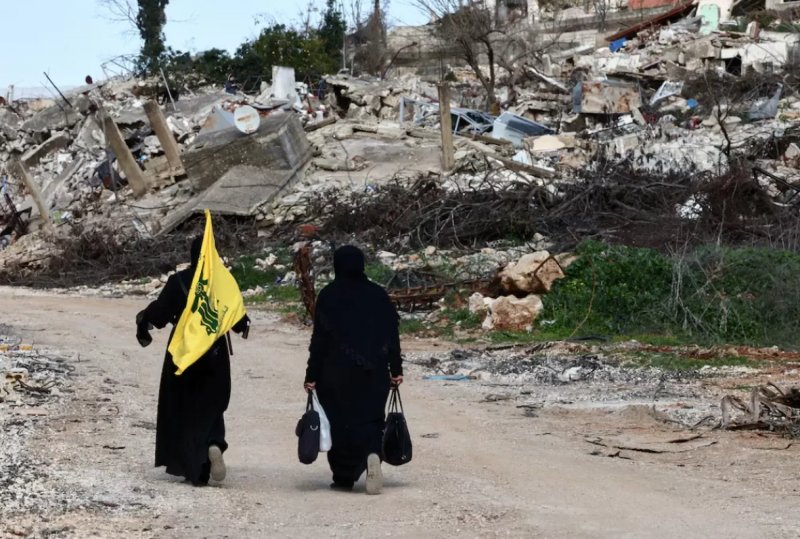
Lebanon’s health ministry has reported that Israeli airstrikes in the southern regions of the country killed 12 people on Wednesday, amid ongoing hostilities despite an April ceasefire and a conditional truce announced last week.
Israeli Prime Minister Benjamin Netanyahu issued a video message urging Lebanese citizens to join Israel in its fight against Hezbollah, emphasizing that Israel was not at war with the Lebanese people but with the militant group that has taken their country hostage. The ministry’s statement confirmed fatalities in the towns of Tayr Debba and Sidon, with additional reports indicating casualties in Deir Qanun al-Nahr, News.Az reports, citing France 24.
The southern border town of Kfarshuba announced that a municipal councillor and an employee, Mohammad al-Hajj and Ahmad Diab, had been released after Israeli forces detained them earlier. Israel’s military had claimed to have apprehended two individuals who approached its soldiers near the border, with the pair later returned to the town. Kfarshuba’s municipal authorities condemned what they described as a “hostile act” and stressed that the detained men were engaged in humanitarian work, specifically pumping water, and had no intention of approaching Israeli forces.
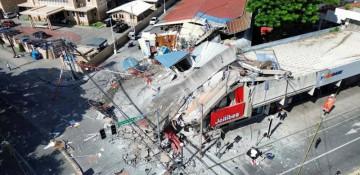
Lebanon’s state-run National News Agency reported that Israeli strikes targeted more than 30 locations across southern and eastern Lebanon, including the towns of Tayr Debba and Deir Qanun al-Nahr, as well as three other towns where evacuation warnings were issued. An Israeli drone strike also targeted a vehicle in Sidon, a coastal city that has been relatively spared from major Israeli attacks but hosts a significant number of displaced persons. An AFP correspondent in Sidon witnessed an explosion, followed by a burning vehicle and rescuers pulling two individuals from the wreckage.
RECOMMENDED STORIES
The health ministry confirmed nine deaths in the Israeli attack on Tayr Debba and Sidon, while a medical source anonymously reported four fatalities in Deir Qanun al-Nahr—information not included in the official health ministry statement.
Netanyahu addressed the Lebanese people directly, stating, “Israel is not at war with you. We are at war with Hezbollah, that has taken your country hostage… We yearn for peace with you, with Lebanon. Seize your future. Join Israel. Build safety and prosperity for all of our children.
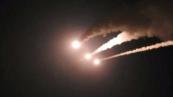
And once Hezbollah is dismantled, the possibilities are endless.” Hezbollah launched rockets at Israel on March 2, supporting Iran, which backs the militant group. The group rejected last week’s conditional truce deal, which called for a “complete cessation” of Hezbollah fire but did not include a halt to Israeli strikes. Despite the ceasefire, Hezbollah fighters have continued attacks on Israeli troops, including rockets and drones on Wednesday.
In Beirut’s southern suburbs, several hundred Hezbollah supporters, many carrying Hezbollah and Iranian flags, rallied in support of Iran and its allies in the Middle East war, according to AFP correspondents. Since March, Lebanese authorities estimate that Israeli attacks have resulted in nearly 3,700 deaths across Lebanon. On the Israeli side, the military reports the deaths of 29 soldiers and one civilian contractor in Lebanon.
Iran insists that Lebanon must be part of any agreement to end the broader Middle East conflict.
The Kfarshuba municipality issued a statement on Facebook indicating that town council member Mohammad al-Hajj and employee Ahmad Diab were released and returned to their town Wednesday evening after being detained by Israeli forces. The National News Agency had reported that the two men were working to pump water when Israeli patrols stopped them and took them to an unknown location.
The Israeli military confirmed that it identified and apprehended two suspected individuals near its forces in southern Lebanon, transferring them to Israeli territory for questioning. Kfarshuba, a Sunni-majority village, remains among the few southern Lebanese villages, most of them Christian, that have chosen to stay despite Israeli military orders to evacuate. The Christian border villages in southern Lebanon have called on authorities to open safe humanitarian corridors amid the dangerous conditions, warning that most roads to their villages are now cut off or extremely hazardous.
The conflict continues to escalate with ongoing hostilities and diplomatic tensions in the region.
By Leyla Şirinova


Similar news