What is behind Lebanon's 15-year prison sentence for pro-Israel activists?


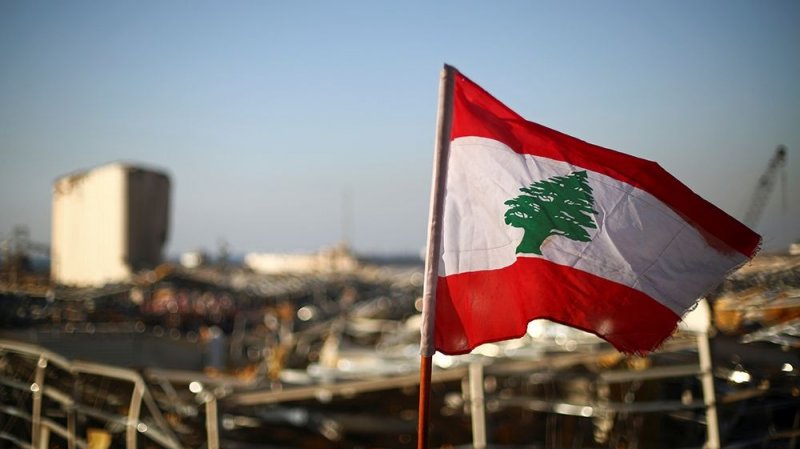
Lebanon has sentenced two citizens to lengthy prison terms after a military tribunal found them guilty of making statements viewed as supportive of Israel and encouraging Israeli military action against Hezbollah.
The case has attracted significant attention both inside Lebanon and internationally because it touches on several highly sensitive issues, including freedom of expression, national security, Hezbollah's role in Lebanese politics, and the country's decades-long conflict with Israel, News.az reports.
RECOMMENDED STORIES
The ruling comes at a time of heightened tensions across the Middle East, with Lebanon continuing to face political divisions, economic challenges, and security concerns linked to regional conflicts. For many observers, the case is not only about two individuals but also about the limits of political speech in Lebanon and the country's future direction.
What happened?
A Lebanese military court convicted two Lebanese citizens living abroad and sentenced them to 15 years in prison in absentia. Authorities argued that the pair had crossed a legal line by publicly supporting Israeli military actions against Hezbollah and promoting views that Lebanese officials considered harmful to national security.
The trial stemmed from public statements, social media activity, television appearances, and political commentary made during periods of heightened confrontation between Israel and Hezbollah. Prosecutors claimed that the defendants openly encouraged Israeli military operations and made statements that could potentially assist an enemy state.
Because both individuals reside outside Lebanon, the trial proceeded in absentia, meaning they were not physically present in court during the proceedings. The verdict nevertheless carries significant legal and political implications and has become one of the most widely discussed court decisions in Lebanon in recent years.
Who are the people convicted?
The two individuals convicted are Ahmed Yassine and Joumana Gebara, both known for their public criticism of Hezbollah and their outspoken political views.
Ahmed Yassine is a Lebanese academic, political commentator, and media personality who has built a substantial online following through his analysis of Lebanese and regional affairs. He has frequently criticized Hezbollah's influence over Lebanese politics and argued that the group's military activities have damaged Lebanon's interests.
Joumana Gebara is a Lebanese activist and commentator who has also been highly critical of Hezbollah. Through media appearances and social media platforms, she has advocated positions that differ sharply from the dominant anti-Israel stance traditionally maintained by Lebanese authorities.
Both individuals have rejected accusations that they collaborated with Israel. They argue that their comments represented political opinions and criticism of Hezbollah rather than any form of operational cooperation with a foreign government or military.
What exactly were they accused of saying?
According to the charges presented by prosecutors, the defendants made a number of statements that authorities considered supportive of Israel and hostile toward Hezbollah.
The allegations included public praise for Israeli military operations against Hezbollah positions, support for Israeli actions during periods of conflict, and calls for changing Lebanon's relationship with Israel. Authorities also accused the pair of making statements that could encourage further Israeli military action against Hezbollah targets inside Lebanon.
In addition, prosecutors argued that some of their comments regarding Hezbollah's activities and alleged military infrastructure could potentially be used by Israel for military purposes. This argument became one of the central elements of the prosecution's case.
Supporters of the defendants maintain that these statements were political opinions protected by freedom of expression and did not constitute direct collaboration with a foreign power.
Why is support for Israel such a sensitive issue in Lebanon?
The issue is rooted in decades of conflict between Lebanon and Israel. The two countries remain technically in a state of war, and there has never been a comprehensive peace agreement between them.
Lebanon experienced multiple wars, invasions, and military confrontations involving Israel, most notably the Israeli invasion of 1982 and the 2006 war between Israel and Hezbollah. These events left deep scars on Lebanese society and helped shape public attitudes toward Israel.
As a result, Lebanese law contains strict provisions regarding contact, cooperation, and collaboration with Israel. Actions that may be considered ordinary political advocacy in some countries can be viewed through a national security lens in Lebanon because of the country's legal and historical context.
For many Lebanese citizens, particularly those who suffered directly from past conflicts, support for Israel remains a highly controversial and emotional issue. At the same time, a small but vocal segment of Lebanese society has begun questioning whether perpetual hostility serves Lebanon's interests, creating a politically sensitive debate.
Why was the case handled by a military tribunal?
Military courts in Lebanon have jurisdiction over cases involving national security, espionage, terrorism, and alleged collaboration with enemy states.
Because prosecutors argued that the defendants' statements amounted to collaboration with an enemy and posed a threat to national security, the case was referred to a military tribunal rather than a civilian court.
The use of military courts for civilian defendants has long been controversial in Lebanon. Human rights organizations and legal experts have frequently argued that civilians should not be tried by military tribunals because such courts may not provide the same procedural safeguards available in civilian judicial systems.
Supporters of the military court system, however, contend that cases involving national security require specialized legal mechanisms and that military tribunals are better equipped to handle sensitive matters involving defense and intelligence concerns.
The case has therefore reignited a broader debate about judicial reform and the role of military courts in Lebanese society.
Why is Hezbollah central to this case?
Hezbollah sits at the heart of the controversy because the statements in question specifically related to Israeli military actions against the group.
Founded during Lebanon's civil war and the Israeli occupation of southern Lebanon, Hezbollah has grown into one of the most powerful political and military organizations in the Middle East. It maintains a significant political presence within Lebanon while also possessing a powerful armed wing that operates independently of the Lebanese Armed Forces.
Supporters view Hezbollah as a resistance movement that protects Lebanon from external threats. Critics argue that the group exercises excessive influence over Lebanese politics and drags the country into regional conflicts.
Because the defendants openly criticized Hezbollah and appeared to support actions targeting the group, their statements became intertwined with broader debates about Hezbollah's legitimacy, military role, and influence over state institutions.
The case therefore reflects deeper political divisions within Lebanon regarding the country's future direction and the role Hezbollah should play in it.
Is this a free speech issue?
One of the most contentious aspects of the case is whether it represents a national security matter or a freedom of expression issue.
Those defending the verdict argue that freedom of speech does not extend to encouraging military attacks by a hostile foreign power. They contend that advocating military action against fellow citizens or sharing information that could assist an enemy crosses a legal and ethical line.
Critics of the ruling see the matter differently. They argue that political opinions, however controversial, should not result in lengthy prison sentences. From this perspective, criticism of Hezbollah and support for normalization with Israel may be unpopular or provocative but should remain protected forms of political expression.
The case has therefore become part of a broader international discussion about balancing national security concerns with civil liberties, particularly during periods of conflict and instability.
Why did this happen now?
The timing of the verdict is closely linked to regional developments and ongoing tensions between Israel and Hezbollah.
Recent years have witnessed repeated military confrontations, cross-border exchanges of fire, drone attacks, and fears of wider regional escalation. As security concerns have intensified, Lebanese authorities have become increasingly sensitive to statements perceived as benefiting Israel.
Many analysts believe the ruling reflects an effort by the Lebanese state to demonstrate that support for Israeli military operations will not be tolerated. Others view it as evidence of growing political pressure and polarization within Lebanon.
The verdict also arrives during a period when questions about Hezbollah's future role, Lebanon's regional alliances, and the country's long-term security strategy remain subjects of intense national debate.
What does “in absentia” mean?
A conviction in absentia means a person is tried and sentenced without being physically present in court.
Because both defendants live outside Lebanon, authorities proceeded with the case despite their absence. Such trials are permitted under certain circumstances in Lebanese law, particularly when defendants are beyond the reach of local authorities.
A conviction in absentia does not necessarily mean the legal process is completely finished. Depending on the circumstances, individuals convicted while absent may have opportunities to challenge the verdict if they later appear before the court.
However, the sentence remains legally significant and can affect the individuals' ability to travel, return to Lebanon, or engage with Lebanese institutions.
Could they be arrested if they return to Lebanon?
If the convictions remain in force, the defendants could potentially face arrest upon entering Lebanese territory.
Law enforcement authorities would likely seek to enforce the court's ruling, and the individuals could be detained pending further legal proceedings. Whether they would be entitled to a retrial or other legal remedies would depend on Lebanese law and the specifics of their case.
As long as they remain outside Lebanon, immediate enforcement may be difficult. Nevertheless, the convictions create legal risks that could affect their future travel decisions and interactions with Lebanese authorities.
Does this mean Lebanon opposes normalization with Israel?
The verdict highlights the fact that normalization remains an extremely sensitive topic in Lebanon.
Unlike several Arab countries that have established diplomatic relations with Israel in recent years, Lebanon has maintained its traditional position and continues to treat Israel as an enemy state under its legal framework.
While there are Lebanese voices advocating dialogue, coexistence, or eventual normalization, such views remain controversial and politically contentious. The conviction of the two activists underscores the legal and political barriers that continue to surround the issue.
The ruling is therefore likely to reinforce perceptions that Lebanon remains far from any major shift in its official relationship with Israel.
How unusual is this ruling?
Legal experts and observers have described the verdict as one of the most severe punishments imposed in recent years against individuals accused of publicly supporting Israel.
Although Lebanon has prosecuted cases involving alleged collaboration with Israel before, lengthy prison sentences based primarily on public statements and political commentary are relatively uncommon.
For that reason, the case is widely viewed as a significant legal precedent that could influence how similar cases are handled in the future. It may also affect how Lebanese activists, journalists, commentators, and political figures discuss sensitive issues related to Israel and Hezbollah.
What are the broader implications?
The significance of the case extends far beyond the fate of the two individuals involved.
First, it raises important questions about the limits of free speech in a country facing ongoing security challenges. The balance between protecting national security and preserving political freedoms remains a difficult issue for many democracies, and Lebanon is no exception.
Second, the ruling highlights the continuing influence of Hezbollah within Lebanon's political and security landscape. Any discussion involving Israel inevitably intersects with debates about Hezbollah's role and legitimacy.
Third, the case demonstrates how unresolved conflicts continue to shape legal systems and political discourse. More than seven decades after the establishment of Israel, relations between the two neighboring states remain deeply affected by war, mistrust, and competing national narratives.
Finally, the verdict may have a chilling effect on public debate. Some commentators may become more cautious when discussing controversial issues involving Israel, Hezbollah, or Lebanon's foreign policy.
The Bottom Line
The conviction of Ahmed Yassine and Joumana Gebara represents far more than a routine court ruling. It reflects Lebanon's complex political realities, its continuing conflict with Israel, and the deep divisions surrounding Hezbollah's role in the country. Supporters of the verdict view it as a necessary defense of national security, while critics see it as a troubling restriction on political expression.
Regardless of one's perspective, the case illustrates how questions of security, identity, sovereignty, and free speech remain deeply intertwined in Lebanon. As regional tensions continue and debates over Lebanon's future intensify, the implications of this ruling are likely to be felt long after the courtroom proceedings have ended.
By Faig Mahmudov


Similar news