Last-minute Samsung pay deal sparks relief and unfairness fears


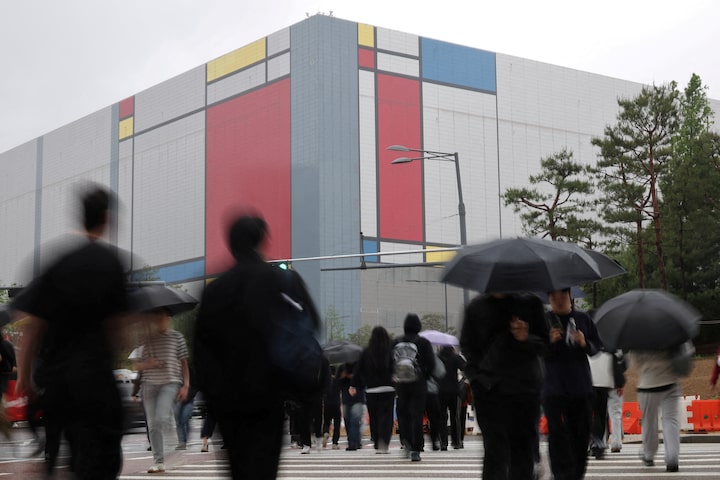
While a dramatic, 11th-hour pay agreement between Samsung Electronics and its labor union has averted a crippling nationwide strike, the historic deal has exposed deep internal rifts and feelings of unfairness across the company’s massive workforce.
The agreement brings immense macroeconomic relief to South Korea, where the 48,000-strong unionized workforce had been threatening an 18-day walkout that could have severely disrupted the global artificial intelligence hardware supply chain. However, on the ground at the sprawling Pyeongtaek semiconductor campus—Samsung's largest chip manufacturing hub—the mood among employees is heavily divided, News.Az reports, citing Reuters.
The friction centers on a newly introduced special operating performance bonus system for the semiconductor division. Under the terms, workers will secure an average 6.2% wage hike alongside a massive bonus pool consisting of 10.5% of the unit's operating profits. Fueled by the global AI chip boom, this means certain elite engineers in the highly lucrative memory chip division could pull in eye-popping performance payouts of roughly $416,000.
RECOMMENDED STORIES
Crucially, the bonuses will be paid out primarily in after-tax company shares. While memory division employees are generally satisfied, their colleagues in less lucrative arms—such as the contract foundry unit, which focuses on logic chips—feel completely left behind. "It's a huge disappointment," stated an anonymous Pyeongtaek foundry engineer, noting that talent will likely try to defect to local rival SK Hynix or scramble for internal transfers to the memory wing. Samsung’s workers had been growing increasingly restless after SK Hynix recently eliminated its bonus cap, resulting in payouts three times larger than Samsung's previous rates.
The heavy reliance on stock payouts has also dampened expectations for the local service economy in Pyeongtaek, a city of 650,000. Local business owners initially hoped the resolution would spark a massive wave of celebratory corporate dinners and community spending. However, real estate agents and neighborhood restaurant owners point out that a regional "trickle-down effect" is unlikely to materialize anytime soon since the stock bonuses feature strict one- and two-year selling lockups.
For the regional subcontractors who handle the campus's grueling logistics and construction, the massive corporate payouts feel completely out of reach. "For local subcontractors, this strike-and-bonus deal is like watching someone else's feast," noted 66-year-old subcontractor Kim Suk-joon. Meanwhile, union members are preparing to cast their final votes to officially ratify the tentative wage agreement between May 23 and May 28.
By Aysel Mammadzada


Similar news