Markets turn cautious as oil tops $110 on Iran deadline fears


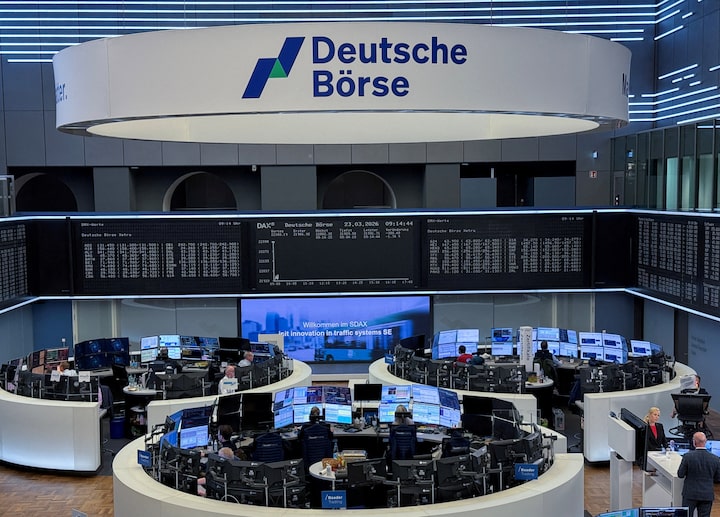
Global financial markets were subdued on Tuesday as investors reacted to rising geopolitical tensions, with oil prices climbing above $110 per barrel ahead of a looming deadline set by U.S. President Donald Trump for a potential deal with Iran.
Concerns over escalating conflict in the Middle East have kept investors on edge, with global stocks wavering and safe-haven assets gaining support amid uncertainty over energy supplies, News.Az reports, citing Reuters.
Benchmark crude prices continued their sharp upward trend, with Brent oil rising to around $111.69 per barrel, extending gains of more than 50% since the conflict began.
RECOMMENDED STORIES
Markets have been rattled by disruptions linked to tensions involving Iran, including concerns over key shipping routes such as the Strait of Hormuz, through which a significant share of global oil trade passes.
The sharp rise in energy costs has revived inflation worries, raising fears of prolonged pressure on global economies already dealing with slowing growth.
European shares were largely unchanged, while U.S. futures dipped slightly as traders adopted a wait-and-see approach ahead of the deadline.
The cautious mood reflects uncertainty over whether diplomatic progress will be made or whether tensions could escalate further in the region.
Economists warned that sustained high energy prices combined with slowing economic activity could push global markets toward stagflation—an environment of rising inflation and weak growth.
Recent data has already shown signs of pressure, with input costs rising and services-sector growth slowing in key economies.
The U.S. dollar remained firm near recent highs as investors continued to seek safety in the currency during market volatility. The Japanese yen also hovered near key intervention levels.
Gold prices edged higher, reflecting ongoing demand for traditional safe-haven assets.
Market direction in the coming days is expected to hinge on developments surrounding the Iran deadline and any potential policy response from Washington.
Analysts say the lack of clarity is driving defensive positioning across asset classes, with investors reluctant to take large risks until the situation becomes clearer.
By Aysel Mammadzada


Similar news