Mass pager explosions in Lebanon: Over 2,000 injured


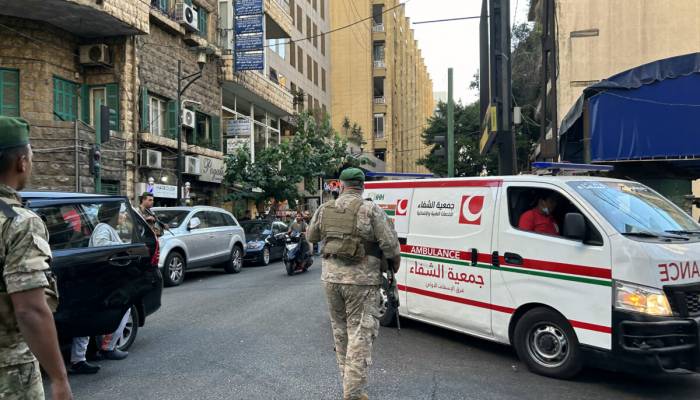
A wave of pager explosions belonging to members of the Shiite militia Hezbollah occurred in southern Beirut and other parts of Lebanon . The blasts left over two thousand people injured, including the Iranian ambassador, raising suspicions of Israeli intelligence involvement.
Hundreds of pagers exploded simultaneously
The incident took place on the afternoon of September 17. According to Reuters, the wave of explosions began around 3:45 PM local time and lasted for about an hour. Initially, people did not understand the cause of the blasts, but it was later revealed that the explosions were triggered by the detonation of pagers.
Lebanese Health Minister Firas Abiad reported that 2,750 people were injured, with eight fatalities, including a young girl. Around 200 of the injured are in critical condition, with most victims suffering from head and hand injuries. Among those affected was Iran's ambassador to Lebanon, Mojtaba Amani. According to the Iranian news agency Mehr, the ambassador was taken to a hospital with minor injuries and is now in stable condition.
Lebanese medical services overwhelmed
In response to the tragedy, Lebanon's crisis operations center called on healthcare workers to return to hospitals to help manage the large influx of patients in need of urgent medical care. Authorities also urged citizens with pagers to refrain from using them until the circumstances surrounding the explosions are clarified.
Suspected cyberattack
Military experts believe that Israel may be behind the pager explosions, describing the event as one of the largest cyberattacks against Hezbollah in recent years. They suspect that Israeli forces hacked the devices, triggering overheating of the lithium-ion batteries, which caused the explosions.
Belgian military analyst Elijah Magnier suggested that if Israeli intelligence managed to access the pagers supplied to Hezbollah, it is possible that they also compromised Iran’s supply chain, as Iran is a key supplier of Hezbollah’s equipment. He speculated that explosives could have been planted inside the devices, potentially with support from a third country, before they reached Hezbollah. Magnier pointed out that an operation of this scale would require high-powered explosives and significant time to insert small amounts of explosive material into the pagers while keeping them operational.
Suspected malware
Hezbollah representatives noted that the pagers that exploded were part of a new batch recently acquired by the militia. Some members noticed their devices overheating and managed to discard them before the explosions occurred. Experts suspect the blasts may have been caused by malicious software embedded in the pager system.
According to Shot, the explosions might have been triggered by a mass message sent through closed communication channels. The pagers used in Lebanon were Gold AP-900 models, valued at $180. Manufactured in Taiwan, these devices are manually programmed with a password.
Conclusion
The mass pager explosions in Lebanon have led to several theories regarding the perpetrators, with Israeli intelligence emerging as the primary suspect. As experts continue their investigations, Lebanese authorities and medical services are grappling with the aftermath of one of the most significant tragedies to hit the region in recent years.
Hundreds of pagers exploded simultaneously
The incident took place on the afternoon of September 17. According to Reuters, the wave of explosions began around 3:45 PM local time and lasted for about an hour. Initially, people did not understand the cause of the blasts, but it was later revealed that the explosions were triggered by the detonation of pagers.
Lebanese Health Minister Firas Abiad reported that 2,750 people were injured, with eight fatalities, including a young girl. Around 200 of the injured are in critical condition, with most victims suffering from head and hand injuries. Among those affected was Iran's ambassador to Lebanon, Mojtaba Amani. According to the Iranian news agency Mehr, the ambassador was taken to a hospital with minor injuries and is now in stable condition.
Lebanese medical services overwhelmed
In response to the tragedy, Lebanon's crisis operations center called on healthcare workers to return to hospitals to help manage the large influx of patients in need of urgent medical care. Authorities also urged citizens with pagers to refrain from using them until the circumstances surrounding the explosions are clarified.
Suspected cyberattack
Military experts believe that Israel may be behind the pager explosions, describing the event as one of the largest cyberattacks against Hezbollah in recent years. They suspect that Israeli forces hacked the devices, triggering overheating of the lithium-ion batteries, which caused the explosions.
Belgian military analyst Elijah Magnier suggested that if Israeli intelligence managed to access the pagers supplied to Hezbollah, it is possible that they also compromised Iran’s supply chain, as Iran is a key supplier of Hezbollah’s equipment. He speculated that explosives could have been planted inside the devices, potentially with support from a third country, before they reached Hezbollah. Magnier pointed out that an operation of this scale would require high-powered explosives and significant time to insert small amounts of explosive material into the pagers while keeping them operational.
Suspected malware
Hezbollah representatives noted that the pagers that exploded were part of a new batch recently acquired by the militia. Some members noticed their devices overheating and managed to discard them before the explosions occurred. Experts suspect the blasts may have been caused by malicious software embedded in the pager system.
According to Shot, the explosions might have been triggered by a mass message sent through closed communication channels. The pagers used in Lebanon were Gold AP-900 models, valued at $180. Manufactured in Taiwan, these devices are manually programmed with a password.
Conclusion
The mass pager explosions in Lebanon have led to several theories regarding the perpetrators, with Israeli intelligence emerging as the primary suspect. As experts continue their investigations, Lebanese authorities and medical services are grappling with the aftermath of one of the most significant tragedies to hit the region in recent years.


Similar news