Moroccan cave discovery reveals ancient ostrich butchery by prehistoric humans


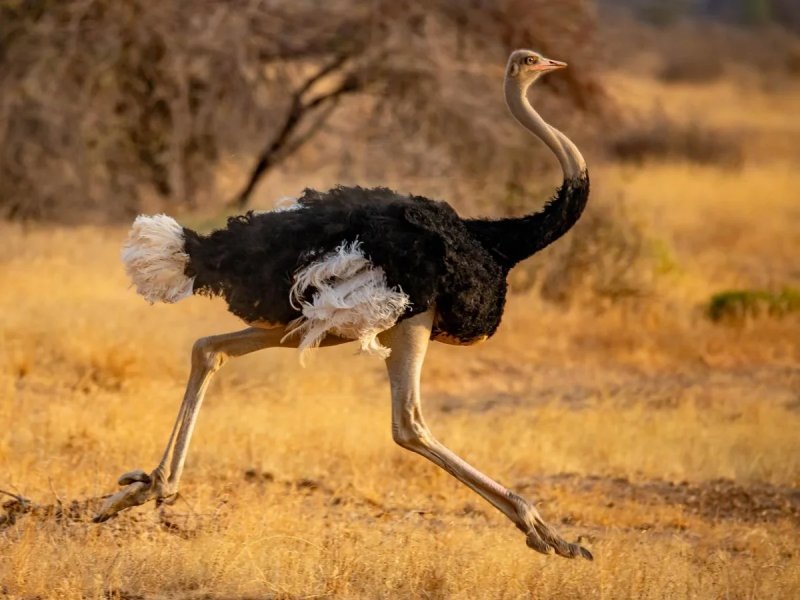
In a fascinating discovery at the Ifri n’Ammar site in northeastern Morocco, archaeologists have uncovered rare ostrich remains that point to human butchery during the Late Stone Age.
The evidence suggests that ancient inhabitants processed these giant birds, offering fresh insight into the diet and survival strategies of prehistoric communities in North Africa, News.Az reports, citing Heritage Daily.
These findings highlight the sophisticated hunting and preparation methods used by early humans in the region thousands of years ago. The material comes from layers linked to the Iberomaurusian culture, dating to roughly 15,000 years ago. The team recovered several phalanges—toe bones—from an ostrich. One of these shows a linear mark consistent with cutting by a stone tool.
RECOMMENDED STORIES
The location and form of the mark indicate intentional action rather than natural damage. Researchers say it likely relates to removing skin or tendons. There is no clear sign that the bone was broken for marrow, pointing to more targeted use of the animal.
Finds of ostrich bone in North Africa are uncommon. Eggshell fragments appear more frequently at prehistoric sites, but skeletal remains are rarely preserved. This makes the Ifri n’Ammar material notable, as it provides direct evidence of human interaction with the species.
The bones were found within the “couche rouge” layer, which formed as the climate shifted at the end of the last Ice Age, bringing a move from cooler, drier conditions to a warmer and more humid environment.
Other animal remains from the same site show a wide range of species, including small mammals, reptiles and birds. This diversity supports the idea that local populations used multiple resources rather than relying on a single food source.
Comparisons with sites in Algeria and elsewhere in the Maghreb show similar, though limited, evidence of ostrich use. In one case, a rib bone with cut marks suggests the bird was butchered and eaten. The new material from Ifri n’Ammar adds to this small body of data. The Iberomaurusian is marked by small stone implements and shifts in how food was obtained. The evidence from this cave aligns with a move toward a wider range of resources as conditions changed.
Nothing here suggests regular pursuit of ostriches. The remains instead point to occasional capture and handling. Dealing with such a large, fast bird would have required coordination.
Together, these traces add detail to the record of human activity in North Africa during the closing stages of the Pleistocene.


Similar news